The audio controls above still work. Interactive translation, saving and practice need JavaScript. You can read the complete transcript and download your study materials below.
Complete English transcript
⚫ Welcome to your English Toolbox, your Slow English Podcast where we train your ears step by step.
⚪ I am Julia.
⚫ And I am Martin.
⚪ Friends, thank you for joining us again.
⚫ Today we are exploring a topic that affects every part of life, not just English.
⚪ It affects your relationships, your sleep, your decisions, your confidence, and your peace.
⚫ We are talking about overthinking — that mental noise that never stops.
⚪ You will learn why your mind gets louder at night, why your thoughts feel so heavy, and what you can do to break the loop.
⚫ If you stay until the end, you will learn three powerful tools to quiet the noise, one storytelling technique to escape spiraling thoughts, and one micro-action to use this same night.
⚪ And before we begin, friends, we need you once again.
⚫ If something in today’s episode helps you, inspires you, or simply makes you feel understood, please leave a comment.
⚪ Your comments help our community grow, help the platforms recommend this podcast to more friends, and help us continue creating these weekly episodes.
⚫ Thank you for being here, and thank you for supporting this project.
⚪ Let’s begin.
PART 1: The Night the Mind Becomes Loud
⚫ Julia, I want to begin with a story that almost everyone knows.
⚪ Yes, Martin, and I think our friends listening will feel it immediately.
⚫ Imagine this moment: ⚪ You turn off the lights.
⚫ You lie down.
⚪ You feel the weight of the blanket.
⚫ The room becomes quiet.
⚪ Your breathing becomes slow.
⚫ And just when your body is ready to rest…
⚪ Your mind wakes up.
⚫ Suddenly, your brain becomes a cinema projector with unlimited movies.
⚪ “Did I answer that message correctly?” ⚫ “Why did I say that stupid thing last week?” ⚪ “What if tomorrow goes wrong?” ⚫ “What if I embarrass myself?” ⚪ “What if something terrible happens?” ⚫ Nothing is happening in the real world.
⚪ But inside your mind, everything is happening at the same time.
⚫ You are safe, you are in your bed, but your brain is running at full speed.
⚪ And you ask yourself, “Why now?
Why is my mind loud exactly when I want silence?”
⚫ Friends, this is not a personal failure.
⚪ It is not because you are weak or dramatic or too emotional.
⚫ It is because your brain is doing something very old and very natural.
⚪ And to understand overthinking, we must understand this moment in bed.
⚫ During the day, your mind is busy.
⚪ You have tasks, conversations, distractions, movement.
⚫ But when the world becomes quiet, your brain says, ⚪ “Perfect.
Now I have time to protect you.” ⚫ And how does it try to protect you?
⚪ By imagining every possible problem.
⚫ That is the root of overthinking.
⚪ Your brain is trying to save you from pain.
⚫ But instead of protecting you, it traps you.
⚪ This is the beginning of the loop.
PART 2: Why Your Brain Overthinks
⚫ To understand overthinking, we need to travel back in time.
⚪ Thousands of years ago, humans survived by anticipating danger.
⚫ The person who thought, “What if there is a snake in the grass?” survived.
⚪ The person who didn’t ask that question did not.
⚫ So your brain developed a system: ⚪ Think of the worst-case scenario.
⚫ Repeat it.
⚪ Prepare for it.
⚫ And maybe you will survive.
⚪ But here is the problem.
⚫ Today, the dangers have changed.
⚪ But the brain has not.
⚫ Your brain still thinks that embarrassment, rejection, and uncertainty are life-threatening.
⚪ So it sends alarms. ⚫ It shows you mental movies of everything that might go wrong.
⚪ And it does this especially at night, because there are no external distractions.
⚫ It believes it is helping you.
⚪ But in reality, it is exhausting you.
⚫ Overthinking is not a sign that you are broken.
⚪ Overthinking is a sign that your brain loves you too much.
⚫ It is trying to predict every danger.
⚪ But in doing so, it creates imaginary dangers.
⚫ You are lying in bed thinking, ⚪ “What if tomorrow they judge me?” ⚫ But nobody is judging you.
⚪ “What if something bad happens?” ⚫ But nothing bad is happening.
⚪ “What if I fail?” ⚫ But you are not failing.
⚪ The body is safe.
⚫ The mind is not.
⚪ And this disconnect is the source of suffering.
PART 3: The Illusion of Control
⚫ Overthinking starts with love, but then it becomes a lie.
⚪ The lie says: “If I think more, I will be safe.” ⚫ But thinking more does not create safety.
⚪ Thinking more creates fear.
⚫ Fear creates hesitation.
⚪ Hesitation creates inaction.
⚫ And inaction creates more fear.
⚪ This is the Overthinking Loop.
⚫ Let me illustrate this with a simple everyday moment.
⚪ Imagine you want to send an important message.
⚫ Nothing dangerous.
⚪ Just a message.
⚫ But your brain starts: ⚪ “What if they misunderstand me?” ⚫ “What if I sound stupid?” ⚪ “What if I annoy them?” ⚫ “What if they don’t answer?” ⚪ “What if they don’t like me?”
⚫ So you wait.
⚪ You hesitate.
⚫ You rewrite the message ten times.
⚪ You delete it.
⚫ You rewrite it again.
⚪ Finally you send it.
⚫ And nothing terrible happens.
⚪ But your brain says, ⚫ “See?
It almost went wrong.
We should worry next time too.”
⚪ This is the illusion of control.
⚫ Your brain believes that worry = safety.
⚪ But worry = prison.
PART 4: The “What If” Spiral
⚫ The worst part of overthinking is the “What If” spiral.
⚪ We all know it.
⚫ It begins with a small thought: ⚪ “What if tomorrow is difficult?” ⚫ And then it grows: ⚪ “What if something goes wrong?” ⚫ “What if they judge me?” ⚪ “What if I’m not enough?” ⚫ “What if I disappoint someone?” ⚪ “What if everything falls apart?”
⚫ Soon the mind is no longer thinking.
⚪ It is predicting disasters.
⚫ None of these disasters exist. ⚪ But the body reacts as if they do.
⚫ Overthinking confuses imagination with reality.
⚪ It confuses possibilities with facts.
⚫ It confuses fear with truth.
⚪ And that is why you feel so tired after a night of overthinking.
⚫ You lived a hundred imaginary lives.
⚪ You fought battles that never existed.
PART 5: How to Break the Loop
⚫ Now friends, let’s talk about what actually works.
⚪ Not theory, but practical tools you can use tonight.
TOOL 1 — Name the Noise
⚫ The first tool is simple but extremely powerful.
⚪ Give your overthinking voice a name.
⚫ You separate yourself from the thought.
⚪ You turn the storm into a character.
⚫ For example: ⚪ “Detective Disaster” ⚫ “Professor Panic” ⚪ “The Drama Queen” ⚫ “The Night Narrator”
⚪ Then when the thought appears, you say: ⚫ “Ah, the Night Narrator is talking again.” ⚪ This changes everything.
⚫ You are no longer fighting your mind.
⚪ You are observing it.
⚫ And observation dissolves fear.
TOOL 2 — The 30-Second Reality Check
⚪ When thoughts become loud, ask: ⚫ “Is this happening now, or only in my mind?”
⚪ Ninety percent of overthinking disappears with this question.
⚫ Because the brain realizes the truth: ⚪ “Nothing is happening.
I am safe.”
⚫ Thoughts lose power when reality is clear.
TOOL 3 — One Tiny Action
⚪ Overthinking hates action.
⚫ Action breaks the loop immediately.
⚪ So ask yourself: ⚫ “What is one tiny thing I can do in the next 60 seconds?”
⚪ Examples: ⚫ Drink water.
⚪ Write one sentence.
⚫ Put your feet on the floor.
⚪ Open the window.
⚫ Stretch your shoulders.
⚪ Send the message.
⚪ It doesn’t matter what the action is.
⚫ The moment you act, your brain shifts from imagination to reality.
TOOL 4 — The 90-Second Wave
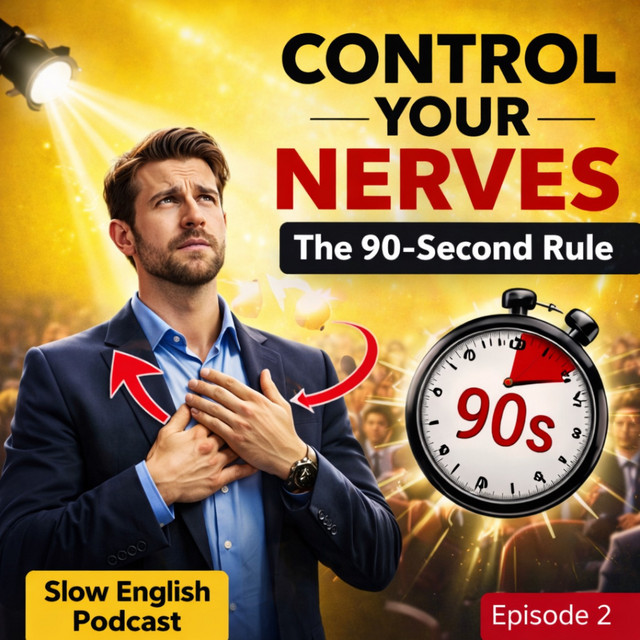
⚪ Neuroscience tells us that intense emotions peak for only 90 seconds.
⚫ If you wait and breathe, the wave passes.
⚪ Overthinking grows when you fight the wave.
⚫ But it calms when you ride the wave.
⚪ Say to yourself: ⚫ “This is a wave.
⚫ I will feel it.
⚫ And it will pass.”
PART 6: Ending Story — The Return to Night
⚫ Now let’s return to our story.
⚪ You are in bed.
⚫ The room is dark.
⚪ And your mind is loud.
⚫ But tonight something changes.
⚪ The thoughts come, but you recognize the voice.
⚫ You say, ⚪ “Ah, the Night Narrator is here again.”
⚫ You smile a little.
⚪ You breathe once.
⚫ You ask, ⚪ “Is this happening now, or only in my mind?” ⚫ The answer is clear.
⚪ Nothing is happening.
⚫ You put your hand on your chest. ⚪ You feel it rise and fall.
⚫ You say, ⚪ “I am safe.
⚪ I am here.
⚪ I am okay.”
⚫ And slowly, the voice becomes softer.
⚪ The waves become smaller.
⚫ The room feels warmer.
⚪ And your mind begins to rest.
⚫ This is what breaking the loop feels like.
⚪ Not dramatic.
⚫ Not loud.
⚪ Just peaceful.
CONCLUSION: Your Micro-Action
⚫ Friends, overthinking is not a sign that something is wrong with you.
⚪ It is a sign that your brain is trying too hard to protect you.
⚫ But you can teach it a new way.
⚪ You can teach it calm.
⚫ Before we finish, we have a question for you.
⚪ What part of your life do you overthink the most?
⚫ And what name will you give your Overthinking Voice?
⚪ Tell us in the comments.
⚫ Your comments help our community grow.
⚪ And they help us understand what topics you want next.
⚫ Friends, thank you for listening.
⚪ Take a breath.
⚫ Sleep well tonight.
⚪ And we will see you in the next episode.