ENStop.
EspañolDetente.
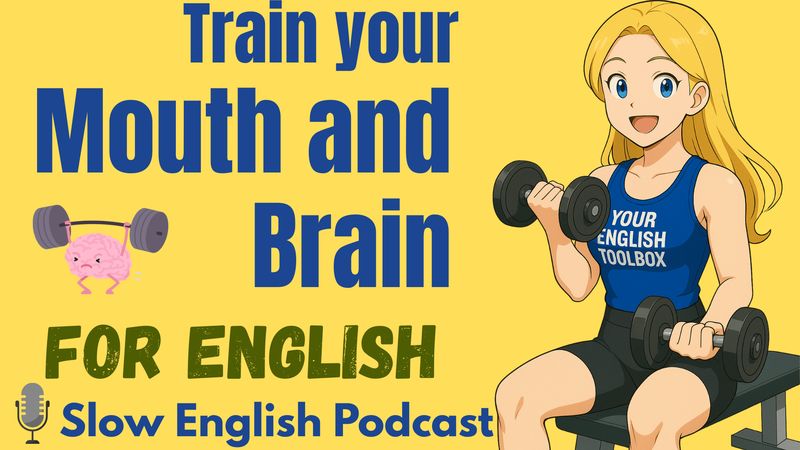
Episode 15
Stop. Don’t open your grammar book yet. If you understand English but your mouth freezes when it’s your turn to talk, this is for you. Today you’ll learn how to train your mouth an…
🌍 Spin the globe below to jump to a transcript in your language.
Spin the globe (hover to rotate, drag or swipe to turn it) and click a country to jump to the transcript in that language.
The full episode script in English. Real inline text, indexable by search engines.
Martin: Stop.
Don’t open your grammar book yet.
If you understand English but your mouth freezes when it’s your turn to talk, this is for you.
Today you’ll learn how to train your mouth and your brain—like athletes train their bodies—so you can finally speak with calm, clarity, and confidence.
Julia: You don’t need perfect grammar to start.
You need motion.
Small, daily motion.
By the end of this episode, you’ll have simple tools you can use at home, at work, and on the bus.
No stress, no drama—just steady progress.
Martin: So why do so many learners read and listen well, but struggle to speak?
Because speaking is physical.
Your mouth has habits from your first language.
English asks your lips, tongue, and jaw to move in new ways.
The brain knows the idea, but the mouth hasn’t rehearsed the moves.
That’s not a problem of intelligence; it’s a lack of reps.
Like sport: no one lifts once and expects strong muscles.
We need smart, regular training.
Julia: Let’s make the training practical.
Think of your daily English like a short workout: a quick warm-up, a few focused drills, and a cool-down where you reflect and relax.
Keep it light, consistent, and varied so you don’t burn out.
Martin: First, shadowing.
Pick a short audio or video you enjoy—a movie line, a podcast clip, a news sentence.
Play a few seconds, and repeat the words almost at the same time, matching rhythm, stress, and intonation.
You’re not copying just the words; you’re copying the music of the words.
Julia: Start simple, then add variety.
Don’t only shadow “Hello, how are you?” Try different situations: “I’ll have the chicken salad, please.” “Boarding begins at Gate B-12.” “Could you clarify the deadline?” “That view is unbelievable!” “Turn left at the traffic light.” “Let’s split the bill.” “I appreciate your help today.”
Martin: Notice how each line pushes your mouth in a new direction.
Some are quick and bouncy.
Others are long and smooth.
That variety builds agility.
Julia: If a line feels hard, break it into chunks. “I’ll have // the chicken salad, please.” Then put it back together.
If you miss a word, don’t stop; keep the rhythm and jump back in.
This trains your mouth to stay flexible during real conversations when you don’t catch every syllable.
Martin: Now add a tiny daily phrase routine—your warm-up.
Rotate through short, useful sentences so your mouth wakes up with different rhythms: “I’m running late, but I’m on my way.” “I’ve got two meetings this morning.” “This coffee tastes amazing.” “I’m looking forward to the weekend.” “Let’s keep it simple.” “That makes total sense.” “Could you speak a little slower?” “I’ll handle it after lunch.” “Thanks for your patience.” “I’ll take the bus today.”
Julia: Say them with feeling.
Smile for “This coffee tastes amazing.” Lower your voice for “Could you speak a little slower?” Emotion makes pronunciation more natural because your face and breath move in the right direction.
Martin: Next, speak out loud even when you’re alone.
It may feel silly at first, but it’s powerful.
Narrate your life in English as you go: “Okay, I’m shutting down the laptop.” “Where did I put my keys?” “I’ll wash the dishes, then I’ll read for ten minutes.” “I’m stretching my legs; this chair is not my friend.” “Hmm, I forgot to reply to that email.
I’ll do it now.”
Julia: You don’t need a partner.
You’re building fluency by connecting words to actions in real time.
That connection—mouth, meaning, movement—teaches faster than silent study.
Martin: Now, the mind.
Many learners translate in their heads and get stuck.
Switch to direct thinking in English.
Start tiny: label the world with single words. “Glass.” “Window.” “Rain.” “Hungry.” Then move to mini-phrases. “It’s raining.” “I’m hungry.” “The meeting starts soon.” As your vocabulary grows, your phrases grow.
The point is not big ideas; it’s speed.
Direct thinking removes the extra step that slows your speech.
Julia: A helpful trick is micro-monologues.
For thirty seconds, think in English about one small topic—your breakfast, your plan for the afternoon, what you can see from the window.
Keep it light and simple: “Eggs and toast today.
Too much salt yesterday.
I’ll add fruit.
Blueberries if we have them.” Your brain learns to supply words automatically without jumping back to your first language.
Martin: Immersion is the background music of progress.
You don’t need to move abroad to surround yourself with English.
Curate your environment: Change your phone and apps to English.
Follow a couple of news accounts designed for learners.
Watch short videos with English subtitles.
Listen to simple stories or interviews while cooking.
Add a few English memes or comics to your feed.
Read one short paragraph of news in the morning.
Julia: Make it enjoyable.
If you love travel, follow travel creators.
If you love tech, follow tech.
Joy keeps you consistent.
Martin: Speaking of consistency, small daily sessions beat rare marathons.
Five honest minutes every day builds more skill than two hours once a month.
Think of athletes: they show up, they do their drills, they rest.
You can do the same.
Use habit stacking—attach your English to something you already do. “After I make coffee, I shadow two lines.” “When I sit on the bus, I do my phrase warm-up.” Keep the bar low so you never break the chain.
Julia: Let’s talk mindset, because technique is useless if fear blocks your voice.
Many learners wait for perfection before speaking.
That day never comes.
The courage to speak creates the skill to speak.
Mistakes are not danger; they’re data.
They show you exactly what to practice next.
Martin: When you feel nervous, simplify.
Slow your pace, shorten your sentences, and breathe out before you start.
Think like a runner: smooth is fast.
If you forget a word, paraphrase. “What’s the word… the thing you use to clean the floor?
A mop.” If you don’t understand, guide the conversation: “Could you say that again?” “Do you mean the delivery is Friday or Monday?” “Let me check I got that right.” These are professional communication skills, not beginner crutches.
Julia: About accent: your goal isn’t to delete your identity.
Your goal is clear speech.
Keep your melody natural and your sounds clear enough to be understood.
That’s success.
People want your ideas, your energy, your story.
A unique accent is part of that story.
Martin: Here’s a simple way to measure progress without perfectionism: track clarity, comfort, and control.
Clarity: do people understand you the first time?
Comfort: do you feel less tension in your face and shoulders when you speak?
Control: can you speed up, slow down, and emphasize key words when you want to?
If those three grow, your fluency is growing.
Julia: Let’s put all the pieces together with a short daily plan—light, flexible, and realistic.
Martin: One: Warm-up (one minute).
Say three short phrases out loud with emotion.
Rotate them daily: everyday life, work, travel, social moments.
For example: “Morning!
I slept terribly, but I’m alive.” “I’ll join the call at nine sharp.” “One ticket to the city center, please.” “That movie was better than I expected.”
Julia: Two: Shadowing drill (two minutes).
Play a quick clip you enjoy and echo it.
Match the rhythm.
If it’s tough, chunk it, then reconnect.
Martin: Three: Self-talk (one to two minutes).
Narrate one tiny task you’re doing right now.
Keep it friendly and simple.
Julia: Four: Mini-monologue (one minute).
Think in English about something on your mind—weekend plan, lunch options, or the weather.
No translation.
Martin: Five: Cool-down (thirty seconds).
Note one thing that felt easier than yesterday.
Smile at that win.
Done.
Julia: That tiny plan is enough to keep your mouth active and your brain engaged, even on busy days.
On longer days, you can extend any part, but don’t let the routine become heavy.
Light + consistent beats heavy + rare.
Martin: Let’s add more variety to keep your mouth flexible.
Here are quick example lines across different contexts—use them in your warm-ups or shadowing:
Julia: Work and study: “Let’s align on the next steps.” “I’ll send the draft before lunch.” “Could you share the file with me?” “I’m not sure yet, but here’s my initial idea.”
Martin: Travel and logistics: “Is this seat taken?” “What time does the last train leave?” “I think we missed our stop.” “Could you recommend a place to eat nearby?”
Julia: Social and small talk: “That sounds like a plan.” “How do you know the host?” “I’m new here, but I’m excited to meet people.” “Thanks for inviting me; I had a great time.”
Martin: Feelings and opinions: “I’m a bit overwhelmed, so I’ll take a short break.” “I completely agree with that.” “I’m not convinced—can we look at another option?” “This made my day.”
Julia: Daily life: “I’ll grab a quick snack.” “The air feels cooler today.” “I left my charger at home.” “I’ll take the stairs.”
Martin: Your mouth learns by doing new movements, not by repeating one line forever.
Keep switching topics and rhythms so your speaking muscles stay agile.
Julia: Now, a common question: “What if I don’t understand everything I shadow?” Good news—you don’t have to.
The goal is sound and rhythm training.
Even professional athletes practice movements slowly or with assistance before they master the full speed.
Stay with the flow.
If one sentence is too hard, shorten it or choose a similar, easier sentence with the same rhythm, then return to the original later.
Martin: Another question: “How do I avoid translating?” Build bridges with simple connectors that keep you moving even when vocabulary is missing: “Basically…,” “So the point is…,” “In other words…,” “For example…,” and simple structures like “It’s like…,” “It feels like…,” “It looks like….” These connectors allow you to paraphrase and keep the conversation alive.
They buy time while your brain searches for the exact word.
Julia: You’ll also make faster progress if you listen for stress and melody. English is a stress-timed language: content words carry the beat, and function words often get reduced.
Try it with “I’ll take the bus today.” You’ll likely tap the beat on “take,” “bus,” “today,” and slide lightly over “I’ll” and “the.” When you shadow, exaggerate that music a little; it trains your ear and guides your mouth.
Martin: Let’s revisit mindset with a truth that helps many learners: most people are kinder than your inner critic.
The “spotlight effect” makes us think everyone notices our mistakes.
In reality, listeners are busy thinking about their own response.
If you show patience, humor, and a willingness to communicate, people will meet you halfway.
Your calm will invite their calm.
Julia: What about speed?
Many learners rush because they think fast English equals good English.
But clarity beats speed.
Start at a comfortable pace, then add speed only where it stays clear.
Think like a cyclist changing gears on a hill—control first, then power.
Martin: And remember the principle: your brain will follow your mouth.
When you speak, you don’t just demonstrate what you know; you create what you know.
Production strengthens memory, builds automatic grammar, and tunes your pronunciation.
Reading and listening are food.
Speaking is training.
Julia: Let’s walk through a tiny example to feel this. Take the idea “ask for help at work.” Build three levels, each one small and manageable:
Martin: Level 1: “Could you help me?” Level 2: “Could you help me with the budget file?” Level 3: “Could you help me with the budget file?
I’m checking last quarter’s numbers, but I’m not sure about the exchange rate.”
Julia: Each level adds a small piece.
You’re not trying to be Shakespeare; you’re aiming for clear, confident communication.
That is fluency.
Martin: If anxiety rises, reset your body.
Exhale slowly, drop your shoulders, and plant your feet.
Then speak.
Your voice rides on your breath; steady breath, steady voice.
Tiny body habits produce big speaking results.
Julia: Here’s a short checklist you can screenshot in your mind and review before any conversation: • Breathe out. • Start simple. • Emphasize the key word in each sentence. • Paraphrase if you forget a word. • Ask a clarifying question if needed. • Smile with your voice.
Martin: Now, a few quick myths to release:
Julia: Myth: “If I keep quiet until I’m perfect, I’ll avoid bad habits.” Reality: silence is the fastest way to freeze your progress.
Practice builds the right habits when you choose clear models and repeat them.
Martin: Myth: “My accent must disappear.” Reality: clarity matters more than accent.
Aim for sounds that are easy to understand and a melody that fits English rhythm; the rest is personal style.
Julia: Myth: “I need long study sessions.” Reality: short, focused, daily sessions win.
Consistency builds confidence; confidence builds speed.
Martin: To make this easier, prepare a tiny personal phrase bank that fits your life.
Keep twenty lines on your phone that you actually use.
Mix contexts and moods.
Here’s a starter set—edit freely:
Julia: “I’ll take care of it.” “Can we push this to tomorrow?” “Thanks, that was really helpful.” “I didn’t catch that—could you repeat it?” “Let me check and get back to you.” “I’m across town; I’ll be there in twenty minutes.” “I’m fine with either option.” “Honestly, I need a break.” “That’s exactly what I was thinking.” “Let’s circle back after lunch.” “I’ll book the tickets tonight.” “Could you send me the details?” “I’m learning—thanks for your patience.” “That’s not ideal, but we’ll figure it out.” “Quick question—do you have a minute?” “I’m excited about this.” “Long day.
I need fresh air.” “Great job on the presentation.” “I appreciate your honesty.” “Let’s keep moving.”
Martin: Rotate five lines per day.
Speak them like you mean them.
Your mouth will remember the shapes; your brain will remember the paths.
Julia: One more sport lesson: progress arrives in waves.
Athletes have plateaus, and so will you.
A week where everything sounds clumsy does not mean you’re stuck; it means your brain is reorganizing new patterns.
Treat those weeks as active recovery.
Keep your routine short and kind.
Focus on clarity and breath.
The next wave of improvement usually comes right after a patient stretch.
Martin: If you like numbers, use simple metrics that reward consistency, not perfection.
Count minutes spoken aloud, not errors.
Count days in a row, not vocabulary size.
A tiny log on your notes app—“4 minutes self-talk, 2 minutes shadowing, felt calmer than yesterday”—will keep your motivation warm.
Julia: For extra variety, add lines from service situations you meet often: “Could I have this in a medium, please?” “I’d like to return this; I have the receipt.” “Do you have anything without nuts?” “Is tap water okay?” “Could you email me the confirmation?” “I’ll wait over there.” “It should arrive by Thursday, right?”
Martin: And some universal repair phrases that save any conversation: “Sorry, my connection dropped for a second.” “Let me rephrase that.” “What I meant was…” “Could you give me an example?” “Take your time—I’m listening.”
Julia: Finally, celebrate small wins out loud. “Today I spoke slower and felt in control.” “I handled a call without switching languages.” These moments matter.
The voice you practice shapes the voice you bring to real life.
Martin: As we head to the finish, let’s anchor the core message.
You don’t need permission to speak.
You don’t need perfection to start.
You need motion, variety, and kindness toward yourself.
Train your mouth with shadowing and short phrases.
Train your mind to think in English directly, one small idea at a time.
Surround yourself with enjoyable English so your progress feels natural.
Show up daily, even for five minutes.
And treat mistakes as friendly feedback.
Julia: Your voice matters.
It carries your ideas, your humor, your story.
Keep it.
Polish it.
Use it.
When you speak, the world hears you—and you hear a stronger version of yourself.
Martin: Before we close, tell us one simple English phrase you’ll start repeating daily.
Write it in the comments.
Share it so others can borrow it for their warm-ups.
And if this episode helped, pass it to a friend who needs a nudge to speak.
Julia: Take this with you: action beats anxiety.
Repetition beats hesitation.
And your brain will follow your mouth.
This is Your English Toolbox—we’ll be here, cheering for every word you dare to say.
Line by line: one English sentence, then its Español translation —
clearly separated, each with its own lang markup.
ENStop.
EspañolDetente.
ENDon’t open your grammar book yet.
EspañolNo abras tu libro de gramática todavía.
ENIf you understand English but your mouth freezes when it’s your turn to talk, this is for you.
EspañolSi entiendes inglés pero tu boca se congela cuando es tu turno de hablar, esto es para ti.
ENToday you’ll learn how to train your mouth and your brain—like athletes train their bodies—so you can finally speak with calm, clarity, and confidence.
EspañolHoy aprenderás cómo entrenar tu boca y tu cerebro—como los atletas entrenan sus cuerpos—para que finalmente puedas hablar con calma, claridad y confianza.
ENYou don’t need perfect grammar to start.
EspañolNo necesitas una gramática perfecta para empezar.
ENYou need motion.
EspañolNecesitas movimiento.
ENSmall, daily motion.
EspañolMovimiento pequeño y diario.
ENBy the end of this episode, you’ll have simple tools you can use at home, at work, and on the bus.
EspañolAl final de este episodio, tendrás herramientas simples que puedes usar en casa, en el trabajo y en el autobús.
ENNo stress, no drama—just steady progress.
EspañolSin estrés, sin drama—solo progreso constante.
ENSo why do so many learners read and listen well, but struggle to speak?
EspañolEntonces, ¿por qué tantos estudiantes leen y escuchan bien, pero luchan para hablar?
ENBecause speaking is physical.
EspañolPorque hablar es físico.
ENYour mouth has habits from your first language.
EspañolTu boca tiene hábitos de tu primer idioma.
ENEnglish asks your lips, tongue, and jaw to move in new ways.
EspañolEl inglés pide a tus labios, lengua y mandíbula que se muevan de nuevas maneras.
ENThe brain knows the idea, but the mouth hasn’t rehearsed the moves.
EspañolEl cerebro conoce la idea, pero la boca no ha ensayado los movimientos.
ENThat’s not a problem of intelligence; it’s a lack of reps.
EspañolEso no es un problema de inteligencia; es una falta de repeticiones.
ENLike sport: no one lifts once and expects strong muscles.
EspañolComo en el deporte: nadie levanta pesas una vez y espera tener músculos fuertes.
ENWe need smart, regular training.
EspañolNecesitamos un entrenamiento inteligente y regular.
ENLet’s make the training practical.
EspañolHagamos que el entrenamiento sea práctico.
ENThink of your daily English like a short workout: a quick warm-up, a few focused drills, and a cool-down where you reflect and relax.
EspañolPiensa en tu inglés diario como un breve entrenamiento: un calentamiento rápido, algunos ejercicios enfocados y un enfriamiento donde reflexionas y te relajas.
ENKeep it light, consistent, and varied so you don’t burn out.
EspañolManténlo ligero, consistente y variado para que no te agotes.
ENFirst, shadowing.
EspañolPrimero, el shadowing.
ENPick a short audio or video you enjoy—a movie line, a podcast clip, a news sentence.
EspañolEscoge un audio o video corto que disfrutes—una línea de película, un clip de podcast, una frase de noticias.
ENPlay a few seconds, and repeat the words almost at the same time, matching rhythm, stress, and intonation.
EspañolReproduce unos segundos y repite las palabras casi al mismo tiempo, igualando ritmo, acento e intonación.
ENYou’re not copying just the words; you’re copying the music of the words.
EspañolNo solo estás copiando las palabras; estás copiando la música de las palabras.
ENStart simple, then add variety.
EspañolEmpieza simple, luego añade variedad.
ENDon’t only shadow “Hello, how are you?” Try different situations: “I’ll have the chicken salad, please.” “Boarding begins at Gate B-12.” “Could you clarify the deadline?” “That view is unbelievable!” “Turn left at the traffic light.” “Let’s split the bill.” “I appreciate your help today.”
EspañolNo solo hagas shadowing de "Hola, ¿cómo estás?" Prueba diferentes situaciones: "Voy a pedir la ensalada de pollo, por favor." "El embarque comienza en la puerta B-12." "¿Podrías aclarar la fecha límite?" "¡Esa vista es increíble!" "Gira a la izquierda en el semáforo." "Dividamos la cuenta." "Aprecio tu ayuda hoy."
ENNotice how each line pushes your mouth in a new direction.
EspañolNota cómo cada línea empuja tu boca en una nueva dirección.
ENSome are quick and bouncy.
EspañolAlgunas son rápidas y saltarinas.
ENOthers are long and smooth.
EspañolOtras son largas y suaves.
ENThat variety builds agility.
EspañolEsa variedad construye agilidad.
ENIf a line feels hard, break it into chunks. “I’ll have // the chicken salad, please.” Then put it back together. If you miss a word, don’t stop; keep the rhythm and jump back in. This trains your mouth to stay flexible during real conversations when you don’t catch every syllable.
EspañolSi una línea se siente difícil, divídela en partes. "Voy a pedir // la ensalada de pollo, por favor." Luego vuelve a unirla. Si te pierdes una palabra, no te detengas; mantén el ritmo y vuelve a entrar. Esto entrena tu boca para mantenerse flexible durante conversaciones reales cuando no captas cada sílaba.
ENNow add a tiny daily phrase routine—your warm-up.
EspañolAhora añade una pequeña rutina diaria de frases—tu calentamiento.
ENRotate through short, useful sentences so your mouth wakes up with different rhythms: “I’m running late, but I’m on my way.” “I’ve got two meetings this morning.” “This coffee tastes amazing.” “I’m looking forward to the weekend.” “Let’s keep it simple.” “That makes total sense.” “Could you speak a little slower?” “I’ll handle it after lunch.” “Thanks for your patience.” “I’ll take the bus today.”
EspañolRota a través de oraciones cortas y útiles para que tu boca despierte con diferentes ritmos: "Voy tarde, pero estoy en camino." "Tengo dos reuniones esta mañana." "Este café sabe increíble." "Estoy deseando que llegue el fin de semana." "Mantengámoslo simple." "Eso tiene todo el sentido." "¿Podrías hablar un poco más despacio?" "Me encargaré de eso después del almuerzo." "Gracias por tu paciencia." "Hoy tomaré el autobús."
ENSay them with feeling.
EspañolDíselas con sentimiento.
ENSmile for “This coffee tastes amazing.” Lower your voice for “Could you speak a little slower?” Emotion makes pronunciation more natural because your face and breath move in the right direction.
EspañolSonríe para "Este café sabe increíble." Baja tu voz para "¿Podrías hablar un poco más despacio?" La emoción hace que la pronunciación sea más natural porque tu cara y tu respiración se mueven en la dirección correcta.
ENNext, speak out loud even when you’re alone.
EspañolA continuación, habla en voz alta incluso cuando estés solo.
ENIt may feel silly at first, but it’s powerful.
EspañolPuede parecer tonto al principio, pero es poderoso.
ENNarrate your life in English as you go: “Okay, I’m shutting down the laptop.” “Where did I put my keys?” “I’ll wash the dishes, then I’ll read for ten minutes.” “I’m stretching my legs; this chair is not my friend.” “Hmm, I forgot to reply to that email.
EspañolNarra tu vida en inglés mientras avanzas: "Está bien, estoy apagando la computadora portátil." "¿Dónde puse mis llaves?" "Voy a lavar los platos, luego leeré durante diez minutos." "Estoy estirando las piernas; esta silla no es mi amiga." "Hmm, olvidé responder ese correo.
ENI’ll do it now.”
EspañolLo haré ahora."
ENYou don’t need a partner.
EspañolNo necesitas un compañero.
ENYou’re building fluency by connecting words to actions in real time.
EspañolEstás construyendo fluidez al conectar palabras con acciones en tiempo real.
ENThat connection—mouth, meaning, movement—teaches faster than silent study.
EspañolEsa conexión—boca, significado, movimiento—enseña más rápido que el estudio en silencio.
ENNow, the mind. Many learners translate in their heads and get stuck.
EspañolAhora, la mente. Muchos estudiantes traducen en sus cabezas y se quedan atascados.
ENSwitch to direct thinking in English. Start tiny: label the world with single words. “Glass.” “Window.” “Rain.” “Hungry.” Then move to mini-phrases. “It’s raining.” “I’m hungry.” “The meeting starts soon.” As your vocabulary grows, your phrases grow.
EspañolCambia a pensar directamente en inglés. Comienza pequeño: etiqueta el mundo con palabras individuales. "Vaso." "Ventana." "Lluvia." "Hambriento." Luego pasa a mini-frases. "Está lloviendo." "Tengo hambre." "La reunión comienza pronto." A medida que tu vocabulario crece, tus frases crecen.
ENThe point is not big ideas; it’s speed. Direct thinking removes the extra step that slows your speech.
EspañolEl objetivo no son grandes ideas; es velocidad. Pensar directamente elimina el paso extra que ralentiza tu habla.
ENA helpful trick is micro-monologues.
EspañolUn truco útil son los micro-monólogos.
ENFor thirty seconds, think in English about one small topic—your breakfast, your plan for the afternoon, what you can see from the window.
EspañolDurante treinta segundos, piensa en inglés sobre un pequeño tema—tu desayuno, tu plan para la tarde, lo que puedes ver desde la ventana.
ENKeep it light and simple: “Eggs and toast today.
EspañolManténlo ligero y simple: "Huevos y tostadas hoy.
ENToo much salt yesterday.
EspañolDemasiada sal ayer.
ENI’ll add fruit.
EspañolAgregaré fruta.
ENBlueberries if we have them.” Your brain learns to supply words automatically without jumping back to your first language.
EspañolArándanos si los tenemos." Tu cerebro aprende a proporcionar palabras automáticamente sin volver a tu primer idioma.
ENImmersion is the background music of progress.
EspañolLa inmersión es la música de fondo del progreso.
ENYou don’t need to move abroad to surround yourself with English.
EspañolNo necesitas mudarte al extranjero para rodearte de inglés.
ENCurate your environment: Change your phone and apps to English.
EspañolCurar tu entorno: Cambia tu teléfono y aplicaciones a inglés.
ENFollow a couple of news accounts designed for learners.
EspañolSigue un par de cuentas de noticias diseñadas para estudiantes.
ENWatch short videos with English subtitles.
EspañolMira videos cortos con subtítulos en inglés.
ENListen to simple stories or interviews while cooking.
EspañolEscucha historias o entrevistas simples mientras cocinas.
ENAdd a few English memes or comics to your feed.
EspañolAgrega algunos memes o cómics en inglés a tu feed.
ENRead one short paragraph of news in the morning.
EspañolLee un párrafo corto de noticias por la mañana.
ENMake it enjoyable.
EspañolHazlo agradable.
ENIf you love travel, follow travel creators.
EspañolSi amas viajar, sigue a creadores de viajes.
ENIf you love tech, follow tech.
EspañolSi te encanta la tecnología, sigue a los de tecnología.
ENJoy keeps you consistent.
EspañolLa alegría te mantiene consistente.
ENSpeaking of consistency, small daily sessions beat rare marathons. Five honest minutes every day builds more skill than two hours once a month.
EspañolHablando de consistencia, pequeñas sesiones diarias superan maratones raros. Cinco minutos honestos cada día construyen más habilidad que dos horas una vez al mes.
ENThink of athletes: they show up, they do their drills, they rest. You can do the same.
EspañolPiensa en los atletas: ellos se presentan, hacen sus ejercicios, descansan. Tú puedes hacer lo mismo.
ENUse habit stacking—attach your English to something you already do. “After I make coffee, I shadow two lines.” “When I sit on the bus, I do my phrase warm-up.” Keep the bar low so you never break the chain.
EspañolUsa la acumulación de hábitos—une tu inglés a algo que ya haces. "Después de hacer café, hago shadowing de dos líneas." "Cuando me siento en el autobús, hago mi calentamiento de frases." Mantén la barra baja para que nunca rompas la cadena.
ENLet’s talk mindset, because technique is useless if fear blocks your voice.
EspañolHablemos de mentalidad, porque la técnica es inútil si el miedo bloquea tu voz.
ENMany learners wait for perfection before speaking.
EspañolMuchos estudiantes esperan la perfección antes de hablar.
ENThat day never comes.
EspañolEse día nunca llega.
ENThe courage to speak creates the skill to speak.
EspañolEl coraje para hablar crea la habilidad para hablar.
ENMistakes are not danger; they’re data.
EspañolLos errores no son peligros; son datos.
ENThey show you exactly what to practice next.
EspañolTe muestran exactamente qué practicar a continuación.
ENWhen you feel nervous, simplify. Slow your pace, shorten your sentences, and breathe out before you start.
EspañolCuando te sientas nervioso, simplifica. Reduce tu ritmo, acorta tus oraciones y exhala antes de empezar.
ENThink like a runner: smooth is fast. If you forget a word, paraphrase. “What’s the word… the thing you use to clean the floor?
EspañolPiensa como un corredor: suave es rápido. Si olvidas una palabra, parafrasea. "¿Cuál es la palabra... la cosa que usas para limpiar el suelo?
ENA mop.” If you don’t understand, guide the conversation: “Could you say that again?” “Do you mean the delivery is Friday or Monday?” “Let me check I got that right.” These are professional communication skills, not beginner crutches.
EspañolUn trapeador." Si no entiendes, guía la conversación: "¿Podrías repetir eso?" "¿Te refieres a que la entrega es el viernes o el lunes?" "Déjame verificar que lo entendí bien." Estas son habilidades de comunicación profesional, no muletas para principiantes.
ENAbout accent: your goal isn’t to delete your identity.
EspañolSobre el acento: tu objetivo no es borrar tu identidad.
ENYour goal is clear speech.
EspañolTu objetivo es una comunicación clara.
ENKeep your melody natural and your sounds clear enough to be understood.
EspañolMantén tu melodía natural y tus sonidos lo suficientemente claros para ser entendidos.
ENThat’s success.
EspañolEse es el éxito.
ENPeople want your ideas, your energy, your story.
EspañolLa gente quiere tus ideas, tu energía, tu historia.
ENA unique accent is part of that story.
EspañolUn acento único es parte de esa historia.
ENHere’s a simple way to measure progress without perfectionism: track clarity, comfort, and control.
EspañolAquí hay una forma simple de medir el progreso sin perfeccionismo: rastrea claridad, comodidad y control.
ENClarity: do people understand you the first time?
EspañolClaridad: ¿te entienden las personas la primera vez?
ENComfort: do you feel less tension in your face and shoulders when you speak?
EspañolComodidad: ¿sientes menos tensión en tu cara y hombros cuando hablas?
ENControl: can you speed up, slow down, and emphasize key words when you want to?
EspañolControl: ¿puedes acelerar, desacelerar y enfatizar palabras clave cuando lo deseas?
ENIf those three grow, your fluency is growing.
EspañolSi esos tres crecen, tu fluidez está creciendo.
ENLet’s put all the pieces together with a short daily plan—light, flexible, and realistic.
EspañolJuntamos todas las piezas con un breve plan diario—ligero, flexible y realista.
ENOne: Warm-up (one minute).
EspañolUno: Calentamiento (un minuto).
ENSay three short phrases out loud with emotion.
EspañolDi tres frases cortas en voz alta con emoción.
ENRotate them daily: everyday life, work, travel, social moments.
EspañolRótalas diariamente: vida cotidiana, trabajo, viajes, momentos sociales.
ENFor example: “Morning!
EspañolPor ejemplo: "¡Buenos días!
ENI slept terribly, but I’m alive.” “I’ll join the call at nine sharp.” “One ticket to the city center, please.” “That movie was better than I expected.”
EspañolDormí terriblemente, pero estoy vivo." "Me uniré a la llamada a las nueve en punto." "Un billete al centro de la ciudad, por favor." "Esa película fue mejor de lo que esperaba."
ENTwo: Shadowing drill (two minutes).
EspañolDos: Ejercicio de shadowing (dos minutos).
ENPlay a quick clip you enjoy and echo it.
EspañolReproduce un clip rápido que disfrutes y repítelo.
ENMatch the rhythm.
EspañolIgualando el ritmo.
ENIf it’s tough, chunk it, then reconnect.
EspañolSi es difícil, divídelo, luego reconéctalo.
ENThree: Self-talk (one to two minutes).
EspañolTres: Auto-charla (uno a dos minutos).
ENNarrate one tiny task you’re doing right now.
EspañolNarra una pequeña tarea que estás haciendo ahora mismo.
ENKeep it friendly and simple.
EspañolManténlo amigable y simple.
ENFour: Mini-monologue (one minute).
EspañolCuatro: Mini-monólogo (un minuto).
ENThink in English about something on your mind—weekend plan, lunch options, or the weather.
EspañolPiensa en inglés sobre algo que te preocupa—plan del fin de semana, opciones de almuerzo o el clima.
ENNo translation.
EspañolSin traducción.
ENFive: Cool-down (thirty seconds).
EspañolCinco: Enfriamiento (treinta segundos).
ENNote one thing that felt easier than yesterday.
EspañolAnota una cosa que se sintió más fácil que ayer.
ENSmile at that win.
EspañolSonríe ante esa victoria.
ENDone.
EspañolListo.
ENThat tiny plan is enough to keep your mouth active and your brain engaged, even on busy days.
EspañolEse pequeño plan es suficiente para mantener tu boca activa y tu cerebro comprometido, incluso en días ocupados.
ENOn longer days, you can extend any part, but don’t let the routine become heavy.
EspañolEn días más largos, puedes extender cualquier parte, pero no dejes que la rutina se vuelva pesada.
ENLight + consistent beats heavy + rare.
EspañolLigero + consistente supera pesado + raro.
ENLet’s add more variety to keep your mouth flexible.
EspañolAñadamos más variedad para mantener tu boca flexible.
ENHere are quick example lines across different contexts—use them in your warm-ups or shadowing:
EspañolAquí hay líneas de ejemplo rápidas en diferentes contextos—úsalas en tus calentamientos o shadowing:
ENWork and study: “Let’s align on the next steps.” “I’ll send the draft before lunch.” “Could you share the file with me?” “I’m not sure yet, but here’s my initial idea.”
EspañolTrabajo y estudio: "Alineémonos sobre los próximos pasos." "Enviaré el borrador antes del almuerzo." "¿Podrías compartir el archivo conmigo?" "No estoy seguro aún, pero aquí está mi idea inicial."
ENTravel and logistics: “Is this seat taken?” “What time does the last train leave?” “I think we missed our stop.” “Could you recommend a place to eat nearby?”
EspañolViajes y logística: "¿Está ocupado este asiento?" "¿A qué hora sale el último tren?" "Creo que nos perdimos nuestra parada." "¿Podrías recomendarme un lugar para comer cerca?"
ENSocial and small talk: “That sounds like a plan.” “How do you know the host?” “I’m new here, but I’m excited to meet people.” “Thanks for inviting me; I had a great time.”
EspañolSocial y charla casual: "Eso suena como un plan." "¿Cómo conoces al anfitrión?" "Soy nuevo aquí, pero estoy emocionado de conocer gente." "Gracias por invitarme; lo pasé muy bien."
ENFeelings and opinions: “I’m a bit overwhelmed, so I’ll take a short break.” “I completely agree with that.” “I’m not convinced—can we look at another option?” “This made my day.”
EspañolSentimientos y opiniones: "Estoy un poco abrumado, así que tomaré un breve descanso." "Estoy completamente de acuerdo con eso." "No estoy convencido—¿podemos ver otra opción?" "Esto hizo mi día."
ENDaily life: “I’ll grab a quick snack.” “The air feels cooler today.” “I left my charger at home.” “I’ll take the stairs.”
EspañolVida diaria: "Voy a agarrar un bocadillo rápido." "El aire se siente más fresco hoy." "Dejé mi cargador en casa." "Tomaré las escaleras."
ENYour mouth learns by doing new movements, not by repeating one line forever.
EspañolTu boca aprende haciendo nuevos movimientos, no repitiendo una línea para siempre.
ENKeep switching topics and rhythms so your speaking muscles stay agile.
EspañolSigue cambiando de temas y ritmos para que tus músculos del habla se mantengan ágiles.
ENNow, a common question: “What if I don’t understand everything I shadow?” Good news—you don’t have to.
EspañolAhora, una pregunta común: "¿Qué pasa si no entiendo todo lo que hago shadowing?" Buenas noticias—no tienes que hacerlo.
ENThe goal is sound and rhythm training.
EspañolEl objetivo es el entrenamiento de sonido y ritmo.
ENEven professional athletes practice movements slowly or with assistance before they master the full speed.
EspañolIncluso los atletas profesionales practican movimientos lentamente o con asistencia antes de dominar la velocidad completa.
ENStay with the flow.
EspañolMantente en el flujo.
ENIf one sentence is too hard, shorten it or choose a similar, easier sentence with the same rhythm, then return to the original later.
EspañolSi una oración es demasiado difícil, acórtala o elige una oración similar y más fácil con el mismo ritmo, luego vuelve a la original más tarde.
ENAnother question: “How do I avoid translating?” Build bridges with simple connectors that keep you moving even when vocabulary is missing: “Basically…,” “So the point is…,” “In other words…,” “For example…,” and simple structures like “It’s like…,” “It feels like…,” “It looks like….” These connectors allow you to paraphrase and keep the conversation alive.
EspañolOtra pregunta: "¿Cómo evito traducir?" Construye puentes con conectores simples que te mantengan en movimiento incluso cuando falte vocabulario: "Básicamente...", "Así que el punto es...", "En otras palabras...", "Por ejemplo...", y estructuras simples como "Es como...", "Se siente como...", "Se ve como...." Estos conectores te permiten parafrasear y mantener la conversación viva.
ENThey buy time while your brain searches for the exact word.
EspañolTe dan tiempo mientras tu cerebro busca la palabra exacta.
ENYou’ll also make faster progress if you listen for stress and melody.
EspañolTambién avanzarás más rápido si escuchas el acento y la melodía.
ENEnglish is a stress-timed language: content words carry the beat, and function words often get reduced.
EspañolEl inglés es un idioma de ritmo acentual: las palabras de contenido llevan el ritmo, y las palabras funcionales a menudo se reducen.
ENTry it with “I’ll take the bus today.” You’ll likely tap the beat on “take,” “bus,” “today,” and slide lightly over “I’ll” and “the.” When you shadow, exaggerate that music a little; it trains your ear and guides your mouth.
EspañolPrueba con "Hoy tomaré el autobús." Probablemente marcarás el ritmo en "tomar," "autobús," "hoy," y deslizarás ligeramente sobre "yo" y "el." Cuando hagas shadowing, exagera un poco esa música; entrena tu oído y guía tu boca.
ENLet’s revisit mindset with a truth that helps many learners: most people are kinder than your inner critic.
EspañolVolvamos a la mentalidad con una verdad que ayuda a muchos estudiantes: la mayoría de las personas son más amables que tu crítico interno.
ENThe “spotlight effect” makes us think everyone notices our mistakes.
EspañolEl "efecto de foco" nos hace pensar que todos notan nuestros errores.
ENIn reality, listeners are busy thinking about their own response.
EspañolEn realidad, los oyentes están ocupados pensando en su propia respuesta.
ENIf you show patience, humor, and a willingness to communicate, people will meet you halfway.
EspañolSi muestras paciencia, humor y disposición para comunicarte, las personas te recibirán a mitad de camino.
ENYour calm will invite their calm.
EspañolTu calma invitará a su calma.
ENWhat about speed?
Español¿Qué pasa con la velocidad?
ENMany learners rush because they think fast English equals good English.
EspañolMuchos estudiantes se apresuran porque piensan que el inglés rápido equivale a un buen inglés.
ENBut clarity beats speed.
EspañolPero la claridad supera a la velocidad.
ENStart at a comfortable pace, then add speed only where it stays clear.
EspañolComienza a un ritmo cómodo, luego añade velocidad solo donde se mantenga clara.
ENThink like a cyclist changing gears on a hill—control first, then power.
EspañolPiensa como un ciclista cambiando de marcha en una colina—control primero, luego potencia.
ENAnd remember the principle: your brain will follow your mouth.
EspañolY recuerda el principio: tu cerebro seguirá a tu boca.
ENWhen you speak, you don’t just demonstrate what you know; you create what you know.
EspañolCuando hablas, no solo demuestras lo que sabes; creas lo que sabes.
ENProduction strengthens memory, builds automatic grammar, and tunes your pronunciation.
EspañolLa producción fortalece la memoria, construye gramática automática y ajusta tu pronunciación.
ENReading and listening are food.
EspañolLeer y escuchar son alimento.
ENSpeaking is training.
EspañolHablar es entrenamiento.
ENLet’s walk through a tiny example to feel this.
EspañolVamos a recorrer un pequeño ejemplo para sentir esto.
ENTake the idea “ask for help at work.” Build three levels, each one small and manageable:
EspañolToma la idea "pedir ayuda en el trabajo." Construye tres niveles, cada uno pequeño y manejable:
ENLevel 1: “Could you help me?” Level 2: “Could you help me with the budget file?” Level 3: “Could you help me with the budget file?
EspañolNivel 1: "¿Podrías ayudarme?" Nivel 2: "¿Podrías ayudarme con el archivo del presupuesto?" Nivel 3: "¿Podrías ayudarme con el archivo del presupuesto?
ENI’m checking last quarter’s numbers, but I’m not sure about the exchange rate.”
EspañolEstoy revisando los números del último trimestre, pero no estoy seguro sobre el tipo de cambio."
ENEach level adds a small piece.
EspañolCada nivel añade una pequeña pieza.
ENYou’re not trying to be Shakespeare; you’re aiming for clear, confident communication.
EspañolNo estás tratando de ser Shakespeare; apuntas a una comunicación clara y confiada.
ENThat is fluency.
EspañolEso es fluidez.
ENIf anxiety rises, reset your body.
EspañolSi la ansiedad aumenta, reinicia tu cuerpo.
ENExhale slowly, drop your shoulders, and plant your feet.
EspañolExhala lentamente, baja los hombros y planta los pies.
ENThen speak.
EspañolLuego habla.
ENYour voice rides on your breath; steady breath, steady voice.
EspañolTu voz se sostiene sobre tu respiración; respiración constante, voz constante.
ENTiny body habits produce big speaking results.
EspañolHábitos corporales pequeños producen grandes resultados al hablar.
ENHere’s a short checklist you can screenshot in your mind and review before any conversation: • Breathe out. • Start simple. • Emphasize the key word in each sentence. • Paraphrase if you forget a word. • Ask a clarifying question if needed. • Smile with your voice.
EspañolAquí hay una breve lista de verificación que puedes visualizar en tu mente y revisar antes de cualquier conversación: • Exhala. • Comienza simple. • Enfatiza la palabra clave en cada oración. • Para frasea si olvidas una palabra. • Haz una pregunta aclaratoria si es necesario. • Sonríe con tu voz.
ENNow, a few quick myths to release:
EspañolAhora, algunos mitos rápidos para liberar:
ENMyth: “If I keep quiet until I’m perfect, I’ll avoid bad habits.” Reality: silence is the fastest way to freeze your progress.
EspañolMito: "Si me quedo en silencio hasta que sea perfecto, evitaré malos hábitos." Realidad: el silencio es la forma más rápida de congelar tu progreso.
ENPractice builds the right habits when you choose clear models and repeat them.
EspañolLa práctica construye los hábitos correctos cuando eliges modelos claros y los repites.
ENMyth: “My accent must disappear.” Reality: clarity matters more than accent.
EspañolMito: "Mi acento debe desaparecer." Realidad: la claridad importa más que el acento.
ENAim for sounds that are easy to understand and a melody that fits English rhythm; the rest is personal style.
EspañolApunta a sonidos que sean fáciles de entender y una melodía que se ajuste al ritmo del inglés; el resto es estilo personal.
ENMyth: “I need long study sessions.” Reality: short, focused, daily sessions win.
EspañolMito: "Necesito largas sesiones de estudio." Realidad: sesiones cortas, enfocadas y diarias ganan.
ENConsistency builds confidence; confidence builds speed.
EspañolLa consistencia construye confianza; la confianza construye velocidad.
ENTo make this easier, prepare a tiny personal phrase bank that fits your life.
EspañolPara facilitar esto, prepara un pequeño banco de frases personales que se ajusten a tu vida.
ENKeep twenty lines on your phone that you actually use.
EspañolMantén veinte líneas en tu teléfono que realmente uses.
ENMix contexts and moods.
EspañolMezcla contextos y estados de ánimo.
ENHere’s a starter set—edit freely:
EspañolAquí hay un conjunto inicial—edita libremente:
EN“I’ll take care of it.” “Can we push this to tomorrow?” “Thanks, that was really helpful.” “I didn’t catch that—could you repeat it?” “Let me check and get back to you.” “I’m across town; I’ll be there in twenty minutes.” “I’m fine with either option.” “Honestly, I need a break.” “That’s exactly what I was thinking.” “Let’s circle back after lunch.” “I’ll book the tickets tonight.” “Could you send me the details?” “I’m learning—thanks for your patience.” “That’s not ideal, but we’ll figure it out.” “Quick question—do you have a minute?” “I’m excited about this.” “Long day.
Español"Me encargaré de eso." "¿Podemos posponer esto para mañana?" "Gracias, eso fue realmente útil." "No escuché eso—¿podrías repetirlo?" "Déjame verificar y volver contigo." "Estoy al otro lado de la ciudad; llegaré en veinte minutos." "Estoy bien con cualquiera de las opciones." "Honestamente, necesito un descanso." "Eso es exactamente lo que estaba pensando." "Volvamos a hablar después del almuerzo." "Reservaré los boletos esta noche." "¿Podrías enviarme los detalles?" "Estoy aprendiendo—gracias por tu paciencia." "Eso no es ideal, pero lo resolveremos." "Pregunta rápida—¿tienes un minuto?" "Estoy emocionado por esto." "Día largo.
ENI need fresh air.” “Great job on the presentation.” “I appreciate your honesty.” “Let’s keep moving.”
EspañolNecesito aire fresco." "Gran trabajo en la presentación." "Aprecio tu honestidad." "Sigamos avanzando."
ENRotate five lines per day.
EspañolRota cinco líneas por día.
ENSpeak them like you mean them.
EspañolDiles como si realmente las sintieras.
ENYour mouth will remember the shapes; your brain will remember the paths.
EspañolTu boca recordará las formas; tu cerebro recordará los caminos.
ENOne more sport lesson: progress arrives in waves.
EspañolUna lección más del deporte: el progreso llega en olas.
ENAthletes have plateaus, and so will you.
EspañolLos atletas tienen mesetas, y tú también las tendrás.
ENA week where everything sounds clumsy does not mean you’re stuck; it means your brain is reorganizing new patterns.
EspañolUna semana en la que todo suena torpe no significa que estés atascado; significa que tu cerebro está reorganizando nuevos patrones.
ENTreat those weeks as active recovery.
EspañolTrata esas semanas como una recuperación activa.
ENKeep your routine short and kind.
EspañolMantén tu rutina corta y amable.
ENFocus on clarity and breath.
EspañolEnfócate en la claridad y la respiración.
ENThe next wave of improvement usually comes right after a patient stretch.
EspañolLa próxima ola de mejora suele venir justo después de un estiramiento paciente.
ENIf you like numbers, use simple metrics that reward consistency, not perfection.
EspañolSi te gustan los números, usa métricas simples que recompensen la consistencia, no la perfección.
ENCount minutes spoken aloud, not errors.
EspañolCuenta los minutos hablados en voz alta, no los errores.
ENCount days in a row, not vocabulary size.
EspañolCuenta los días consecutivos, no el tamaño del vocabulario.
ENA tiny log on your notes app—“4 minutes self-talk, 2 minutes shadowing, felt calmer than yesterday”—will keep your motivation warm.
EspañolUn pequeño registro en tu aplicación de notas—"4 minutos de auto-charla, 2 minutos de shadowing, me sentí más tranquilo que ayer"—mantendrá tu motivación caliente.
ENFor extra variety, add lines from service situations you meet often: “Could I have this in a medium, please?” “I’d like to return this; I have the receipt.” “Do you have anything without nuts?” “Is tap water okay?” “Could you email me the confirmation?” “I’ll wait over there.” “It should arrive by Thursday, right?”
EspañolPara más variedad, agrega líneas de situaciones de servicio que encuentres a menudo: "¿Podría tener esto en un tamaño mediano, por favor?" "Me gustaría devolver esto; tengo el recibo." "¿Tienes algo sin nueces?" "¿Está bien el agua del grifo?" "¿Podrías enviarme la confirmación?" "Esperaré allí." "Debería llegar para el jueves, ¿verdad?"
ENAnd some universal repair phrases that save any conversation: “Sorry, my connection dropped for a second.” “Let me rephrase that.” “What I meant was…” “Could you give me an example?” “Take your time—I’m listening.”
EspañolY algunas frases universales de reparación que salvan cualquier conversación: "Lo siento, mi conexión se cortó por un segundo." "Déjame reformular eso." "Lo que quise decir fue..." "¿Podrías darme un ejemplo?" "Tómate tu tiempo—estoy escuchando."
ENFinally, celebrate small wins out loud. “Today I spoke slower and felt in control.” “I handled a call without switching languages.” These moments matter. The voice you practice shapes the voice you bring to real life.
EspañolFinalmente, celebra pequeñas victorias en voz alta. "Hoy hablé más despacio y me sentí en control." "Manejé una llamada sin cambiar de idioma." Estos momentos importan. La voz que practicas da forma a la voz que traes a la vida real.
ENAs we head to the finish, let’s anchor the core message.
EspañolA medida que nos acercamos al final, anclemos el mensaje central.
ENYou don’t need permission to speak.
EspañolNo necesitas permiso para hablar.
ENYou don’t need perfection to start.
EspañolNo necesitas perfección para empezar.
ENYou need motion, variety, and kindness toward yourself.
EspañolNecesitas movimiento, variedad y amabilidad hacia ti mismo.
ENTrain your mouth with shadowing and short phrases.
EspañolEntrena tu boca con shadowing y frases cortas.
ENTrain your mind to think in English directly, one small idea at a time.
EspañolEntrena tu mente para pensar en inglés directamente, una pequeña idea a la vez.
ENSurround yourself with enjoyable English so your progress feels natural.
EspañolRodéate de inglés agradable para que tu progreso se sienta natural.
ENShow up daily, even for five minutes.
EspañolAparece diariamente, incluso por cinco minutos.
ENAnd treat mistakes as friendly feedback.
EspañolY trata los errores como retroalimentación amistosa.
ENYour voice matters.
EspañolTu voz importa.
ENIt carries your ideas, your humor, your story.
EspañolLleva tus ideas, tu humor, tu historia.
ENKeep it.
EspañolMantenla.
ENPolish it.
EspañolPúlela.
ENUse it.
EspañolÚsala.
ENWhen you speak, the world hears you—and you hear a stronger version of yourself.
EspañolCuando hablas, el mundo te escucha—y tú escuchas una versión más fuerte de ti mismo.
ENBefore we close, tell us one simple English phrase you’ll start repeating daily.
EspañolAntes de cerrar, cuéntanos una simple frase en inglés que comenzarás a repetir diariamente.
ENWrite it in the comments.
EspañolEscríbela en los comentarios.
ENShare it so others can borrow it for their warm-ups.
EspañolCompártela para que otros puedan usarla en sus calentamientos.
ENAnd if this episode helped, pass it to a friend who needs a nudge to speak.
EspañolY si este episodio te ayudó, pásalo a un amigo que necesite un empujón para hablar.
ENTake this with you: action beats anxiety.
EspañolLleva esto contigo: la acción supera la ansiedad.
ENRepetition beats hesitation.
EspañolLa repetición supera la vacilación.
ENAnd your brain will follow your mouth.
EspañolY tu cerebro seguirá a tu boca.
ENThis is Your English Toolbox—we’ll be here, cheering for every word you dare to say.
EspañolEsta es tu Caja de Herramientas de Inglés—estaremos aquí, animando cada palabra que te atrevas a decir.
Line by line: one English sentence, then its Deutsch translation —
clearly separated, each with its own lang markup.
ENStop.
DeutschStopp.
ENDon’t open your grammar book yet.
DeutschÖffne dein Grammatikbuch noch nicht.
ENIf you understand English but your mouth freezes when it’s your turn to talk, this is for you.
DeutschWenn du Englisch verstehst, aber dein Mund einfriert, wenn du sprechen sollst, ist das hier für dich.
ENToday you’ll learn how to train your mouth and your brain—like athletes train their bodies—so you can finally speak with calm, clarity, and confidence.
DeutschHeute wirst du lernen, wie du deinen Mund und dein Gehirn trainierst – wie Athleten ihre Körper trainieren – damit du endlich mit Ruhe, Klarheit und Selbstvertrauen sprechen kannst.
ENYou don’t need perfect grammar to start.
DeutschDu brauchst keine perfekte Grammatik, um zu starten.
ENYou need motion.
DeutschDu brauchst Bewegung.
ENSmall, daily motion.
DeutschKleine, tägliche Bewegungen.
ENBy the end of this episode, you’ll have simple tools you can use at home, at work, and on the bus.
DeutschAm Ende dieser Episode hast du einfache Werkzeuge, die du zu Hause, bei der Arbeit und im Bus nutzen kannst.
ENNo stress, no drama—just steady progress.
DeutschKein Stress, kein Drama – nur stetiger Fortschritt.
ENSo why do so many learners read and listen well, but struggle to speak?
DeutschWarum haben so viele Lernende Schwierigkeiten beim Sprechen, obwohl sie gut lesen und hören können?
ENBecause speaking is physical.
DeutschWeil Sprechen körperlich ist.
ENYour mouth has habits from your first language.
DeutschDein Mund hat Gewohnheiten aus deiner ersten Sprache.
ENEnglish asks your lips, tongue, and jaw to move in new ways.
DeutschEnglisch verlangt von deinen Lippen, deiner Zunge und deinem Kiefer, sich auf neue Weise zu bewegen.
ENThe brain knows the idea, but the mouth hasn’t rehearsed the moves.
DeutschDas Gehirn kennt die Idee, aber der Mund hat die Bewegungen nicht geübt.
ENThat’s not a problem of intelligence; it’s a lack of reps.
DeutschDas ist kein Problem der Intelligenz; es ist ein Mangel an Wiederholungen.
ENLike sport: no one lifts once and expects strong muscles.
DeutschWie im Sport: Niemand hebt einmal und erwartet starke Muskeln.
ENWe need smart, regular training.
DeutschWir brauchen intelligentes, regelmäßiges Training.
ENLet’s make the training practical.
DeutschLass uns das Training praktisch machen.
ENThink of your daily English like a short workout: a quick warm-up, a few focused drills, and a cool-down where you reflect and relax.
DeutschDenk an dein tägliches Englisch wie an ein kurzes Workout: ein schnelles Aufwärmen, ein paar fokussierte Übungen und ein Cool-Down, bei dem du reflektierst und entspannst.
ENKeep it light, consistent, and varied so you don’t burn out.
DeutschHalte es leicht, konsistent und abwechslungsreich, damit du nicht ausbrennst.
ENFirst, shadowing.
DeutschZuerst, Shadowing.
ENPick a short audio or video you enjoy—a movie line, a podcast clip, a news sentence.
DeutschWähle ein kurzes Audio oder Video, das dir gefällt – eine Filmzeile, einen Podcast-Ausschnitt, einen Nachrichtensatz.
ENPlay a few seconds, and repeat the words almost at the same time, matching rhythm, stress, and intonation.
DeutschSpiele ein paar Sekunden ab und wiederhole die Worte fast zur gleichen Zeit, indem du Rhythmus, Betonung und Intonation anpasst.
ENYou’re not copying just the words; you’re copying the music of the words.
DeutschDu kopierst nicht nur die Worte; du kopierst die Musik der Worte.
ENStart simple, then add variety.
DeutschBeginne einfach und füge dann Abwechslung hinzu.
ENDon’t only shadow “Hello, how are you?” Try different situations: “I’ll have the chicken salad, please.” “Boarding begins at Gate B-12.” “Could you clarify the deadline?” “That view is unbelievable!” “Turn left at the traffic light.” “Let’s split the bill.” “I appreciate your help today.”
DeutschShadowe nicht nur "Hallo, wie geht's?" Probiere verschiedene Situationen: „Ich hätte gerne den Hühnersalat, bitte.“ „Das Boarding beginnt am Gate B-12.“ „Könnten Sie den Abgabetermin klären?“ „Diese Aussicht ist unglaublich!“ „Biegen Sie an der Ampel links ab.“ „Lass uns die Rechnung teilen.“ „Ich schätze deine Hilfe heute.“
ENNotice how each line pushes your mouth in a new direction.
DeutschAchte darauf, wie jede Zeile deinen Mund in eine neue Richtung drängt.
ENSome are quick and bouncy.
DeutschEinige sind schnell und spritzig.
ENOthers are long and smooth.
DeutschAndere sind lang und geschmeidig.
ENThat variety builds agility.
DeutschDiese Abwechslung fördert die Agilität.
ENIf a line feels hard, break it into chunks. “I’ll have // the chicken salad, please.” Then put it back together.
DeutschWenn eine Zeile schwierig erscheint, teile sie in Abschnitte auf. „Ich hätte gerne // den Hühnersalat, bitte.“ Dann setze sie wieder zusammen.
ENIf you miss a word, don’t stop; keep the rhythm and jump back in.
DeutschWenn du ein Wort verpasst, halte nicht an; behalte den Rhythmus bei und spring wieder rein.
ENThis trains your mouth to stay flexible during real conversations when you don’t catch every syllable.
DeutschDas trainiert deinen Mund, flexibel zu bleiben, während du in echten Gesprächen nicht jede Silbe mitbekommst.
ENNow add a tiny daily phrase routine—your warm-up.
DeutschJetzt füge eine kleine tägliche Satzroutine hinzu – dein Aufwärmen.
ENRotate through short, useful sentences so your mouth wakes up with different rhythms: “I’m running late, but I’m on my way.” “I’ve got two meetings this morning.” “This coffee tastes amazing.” “I’m looking forward to the weekend.” “Let’s keep it simple.” “That makes total sense.” “Could you speak a little slower?” “I’ll handle it after lunch.” “Thanks for your patience.” “I’ll take the bus today.”
DeutschWechsle zwischen kurzen, nützlichen Sätzen, damit dein Mund mit unterschiedlichen Rhythmen wach wird: „Ich komme zu spät, aber ich bin auf dem Weg.“ „Ich habe heute Morgen zwei Meetings.“ „Dieser Kaffee schmeckt fantastisch.“ „Ich freue mich auf das Wochenende.“ „Lass es uns einfach halten.“ „Das macht total Sinn.“ „Könnten Sie ein wenig langsamer sprechen?“ „Ich kümmere mich nach dem Mittagessen darum.“ „Danke für deine Geduld.“ „Ich nehme heute den Bus.“
ENSay them with feeling.
DeutschSprich sie mit Gefühl.
ENSmile for “This coffee tastes amazing.” Lower your voice for “Could you speak a little slower?” Emotion makes pronunciation more natural because your face and breath move in the right direction.
DeutschLächle bei „Dieser Kaffee schmeckt fantastisch.“ Senke deine Stimme bei „Könnten Sie ein wenig langsamer sprechen?“ Emotion macht die Aussprache natürlicher, weil sich dein Gesicht und dein Atem in die richtige Richtung bewegen.
ENNext, speak out loud even when you’re alone.
DeutschAls Nächstes sprich laut, auch wenn du allein bist.
ENIt may feel silly at first, but it’s powerful.
DeutschEs mag sich anfangs albern anfühlen, aber es ist kraftvoll.
ENNarrate your life in English as you go: “Okay, I’m shutting down the laptop.” “Where did I put my keys?” “I’ll wash the dishes, then I’ll read for ten minutes.” “I’m stretching my legs; this chair is not my friend.” “Hmm, I forgot to reply to that email.
DeutschErzähle dein Leben auf Englisch, während du es tust: „Okay, ich schalte den Laptop aus.“ „Wo habe ich meine Schlüssel hingelegt?“ „Ich werde das Geschirr spülen, dann lese ich zehn Minuten.“ „Ich strecke meine Beine; dieser Stuhl ist nicht mein Freund.“ „Hmm, ich habe vergessen, auf diese E-Mail zu antworten.
ENI’ll do it now.”
DeutschIch mache es jetzt.“
ENYou don’t need a partner.
DeutschDu brauchst keinen Partner.
ENYou’re building fluency by connecting words to actions in real time.
DeutschDu baust Flüssigkeit auf, indem du Worte in Echtzeit mit Handlungen verbindest.
ENThat connection—mouth, meaning, movement—teaches faster than silent study.
DeutschDiese Verbindung – Mund, Bedeutung, Bewegung – lehrt schneller als stilles Lernen.
ENNow, the mind.
DeutschJetzt zum Geist.
ENMany learners translate in their heads and get stuck.
DeutschViele Lernende übersetzen in ihren Köpfen und bleiben stecken.
ENSwitch to direct thinking in English.
DeutschWechsle zu direktem Denken auf Englisch.
ENStart tiny: label the world with single words. “Glass.” “Window.” “Rain.” “Hungry.” Then move to mini-phrases. “It’s raining.” “I’m hungry.” “The meeting starts soon.” As your vocabulary grows, your phrases grow.
DeutschFang klein an: beschrifte die Welt mit einzelnen Wörtern. „Glas.“ „Fenster.“ „Regen.“ „Hungrig.“ Dann gehe zu Mini-Sätzen über. „Es regnet.“ „Ich habe Hunger.“ „Das Meeting beginnt bald.“ Wenn dein Wortschatz wächst, wachsen auch deine Sätze.
ENThe point is not big ideas; it’s speed.
DeutschEs geht nicht um große Ideen; es geht um Geschwindigkeit.
ENDirect thinking removes the extra step that slows your speech.
DeutschDirektes Denken entfernt den zusätzlichen Schritt, der deine Sprache verlangsamt.
ENA helpful trick is micro-monologues.
DeutschEin hilfreicher Trick sind Mikro-Monologe.
ENFor thirty seconds, think in English about one small topic—your breakfast, your plan for the afternoon, what you can see from the window.
DeutschDenke dreißig Sekunden lang auf Englisch über ein kleines Thema nach – dein Frühstück, deinen Plan für den Nachmittag, was du aus dem Fenster sehen kannst.
ENKeep it light and simple: “Eggs and toast today.
DeutschHalte es leicht und einfach: „Eier und Toast heute.
ENToo much salt yesterday.
DeutschGestern zu viel Salz.
ENI’ll add fruit.
DeutschIch werde Obst hinzufügen.
ENBlueberries if we have them.” Your brain learns to supply words automatically without jumping back to your first language.
DeutschHeidelbeeren, wenn wir sie haben.“ Dein Gehirn lernt, Wörter automatisch bereitzustellen, ohne zu deiner ersten Sprache zurückzuspringen.
ENImmersion is the background music of progress.
DeutschImmersion ist die Hintergrundmusik des Fortschritts.
ENYou don’t need to move abroad to surround yourself with English.
DeutschDu musst nicht ins Ausland ziehen, um dich mit Englisch zu umgeben.
ENCurate your environment: Change your phone and apps to English.
DeutschGestalte deine Umgebung: Ändere dein Telefon und deine Apps auf Englisch.
ENFollow a couple of news accounts designed for learners.
DeutschFolge ein paar Nachrichtenkonten, die für Lernende gedacht sind.
ENWatch short videos with English subtitles.
DeutschSchaue kurze Videos mit englischen Untertiteln.
ENListen to simple stories or interviews while cooking.
DeutschHöre einfache Geschichten oder Interviews beim Kochen.
ENAdd a few English memes or comics to your feed.
DeutschFüge ein paar englische Memes oder Comics zu deinem Feed hinzu.
ENRead one short paragraph of news in the morning.
DeutschLies jeden Morgen einen kurzen Nachrichtenabsatz.
ENMake it enjoyable.
DeutschMach es angenehm.
ENIf you love travel, follow travel creators.
DeutschWenn du Reisen liebst, folge Reiseerstellern.
ENIf you love tech, follow tech.
DeutschWenn du Technik liebst, folge Technik.
ENJoy keeps you consistent.
DeutschFreude hält dich konstant.
ENSpeaking of consistency, small daily sessions beat rare marathons.
DeutschApropos Konsistenz, kleine tägliche Einheiten schlagen seltene Marathons.
ENFive honest minutes every day builds more skill than two hours once a month.
DeutschFünf ehrliche Minuten jeden Tag bauen mehr Fähigkeiten auf als zwei Stunden einmal im Monat.
ENThink of athletes: they show up, they do their drills, they rest.
DeutschDenk an Athleten: Sie erscheinen, sie machen ihre Übungen, sie ruhen sich aus.
ENYou can do the same.
DeutschDu kannst das Gleiche tun.
ENUse habit stacking—attach your English to something you already do. “After I make coffee, I shadow two lines.” “When I sit on the bus, I do my phrase warm-up.” Keep the bar low so you never break the chain.
DeutschNutze Habit Stacking – verbinde dein Englisch mit etwas, was du bereits tust. „Nachdem ich Kaffee gemacht habe, shadowe ich zwei Zeilen.“ „Wenn ich im Bus sitze, mache ich mein Satzaufwärmen.“ Halte die Hürde niedrig, damit du die Kette nie brichst.
ENLet’s talk mindset, because technique is useless if fear blocks your voice.
DeutschLass uns über die Denkweise sprechen, denn Technik ist nutzlos, wenn Angst deine Stimme blockiert.
ENMany learners wait for perfection before speaking.
DeutschViele Lernende warten auf Perfektion, bevor sie sprechen.
ENThat day never comes.
DeutschDieser Tag kommt nie.
ENThe courage to speak creates the skill to speak.
DeutschDer Mut zu sprechen schafft die Fähigkeit zu sprechen.
ENMistakes are not danger; they’re data.
DeutschFehler sind keine Gefahr; sie sind Daten.
ENThey show you exactly what to practice next.
DeutschSie zeigen dir genau, was du als Nächstes üben solltest.
ENWhen you feel nervous, simplify.
DeutschWenn du nervös bist, vereinfache.
ENSlow your pace, shorten your sentences, and breathe out before you start.
DeutschVerlangsame dein Tempo, verkürze deine Sätze und atme aus, bevor du anfängst.
ENThink like a runner: smooth is fast.
DeutschDenk wie ein Läufer: geschmeidig ist schnell.
ENIf you forget a word, paraphrase. “What’s the word… the thing you use to clean the floor?
DeutschWenn du ein Wort vergisst, umschreibe es. „Wie heißt das Wort… das Ding, das du benutzt, um den Boden zu reinigen?
ENA mop.” If you don’t understand, guide the conversation: “Could you say that again?” “Do you mean the delivery is Friday or Monday?” “Let me check I got that right.” These are professional communication skills, not beginner crutches.
DeutschEin Wischmopp.“ Wenn du etwas nicht verstehst, leite das Gespräch: „Könnten Sie das bitte wiederholen?“ „Meinen Sie, die Lieferung ist Freitag oder Montag?“ „Lass mich überprüfen, ob ich das richtig verstanden habe.“ Das sind professionelle Kommunikationsfähigkeiten, keine Anfängerstützen.
ENAbout accent: your goal isn’t to delete your identity.
DeutschZum Akzent: Dein Ziel ist es nicht, deine Identität zu löschen.
ENYour goal is clear speech.
DeutschDein Ziel ist klare Sprache.
ENKeep your melody natural and your sounds clear enough to be understood.
DeutschHalte deine Melodie natürlich und deine Laute klar genug, um verstanden zu werden.
ENThat’s success.
DeutschDas ist Erfolg.
ENPeople want your ideas, your energy, your story.
DeutschDie Leute wollen deine Ideen, deine Energie, deine Geschichte.
ENA unique accent is part of that story.
DeutschEin einzigartiger Akzent ist Teil dieser Geschichte.
ENHere’s a simple way to measure progress without perfectionism: track clarity, comfort, and control.
DeutschHier ist eine einfache Möglichkeit, Fortschritt ohne Perfektionismus zu messen: Verfolge Klarheit, Komfort und Kontrolle.
ENClarity: do people understand you the first time?
DeutschKlarheit: Verstehen die Leute dich beim ersten Mal?
ENComfort: do you feel less tension in your face and shoulders when you speak?
DeutschKomfort: Fühlst du weniger Spannung in deinem Gesicht und deinen Schultern, wenn du sprichst?
ENControl: can you speed up, slow down, and emphasize key words when you want to?
DeutschKontrolle: Kannst du beschleunigen, verlangsamen und Schlüsselwörter betonen, wenn du willst?
ENIf those three grow, your fluency is growing.
DeutschWenn diese drei wachsen, wächst auch deine Flüssigkeit.
ENLet’s put all the pieces together with a short daily plan—light, flexible, and realistic.
DeutschLass uns alle Teile mit einem kurzen täglichen Plan zusammenfügen – leicht, flexibel und realistisch.
ENOne: Warm-up (one minute).
DeutschEins: Aufwärmen (eine Minute).
ENSay three short phrases out loud with emotion.
DeutschSage drei kurze Sätze laut mit Emotion.
ENRotate them daily: everyday life, work, travel, social moments.
DeutschWechsle sie täglich: Alltag, Arbeit, Reisen, soziale Momente.
ENFor example: “Morning!
DeutschZum Beispiel: „Morgen!
ENI slept terribly, but I’m alive.” “I’ll join the call at nine sharp.” “One ticket to the city center, please.” “That movie was better than I expected.”
DeutschIch habe schrecklich geschlafen, aber ich lebe.“ „Ich werde um neun Uhr pünktlich zum Anruf kommen.“ „Ein Ticket ins Stadtzentrum, bitte.“ „Dieser Film war besser als ich erwartet hatte.“
ENTwo: Shadowing drill (two minutes).
DeutschZwei: Shadowing-Übung (zwei Minuten).
ENPlay a quick clip you enjoy and echo it.
DeutschSpiele einen kurzen Clip, den du magst, und echoe ihn.
ENMatch the rhythm.
DeutschPasse den Rhythmus an.
ENIf it’s tough, chunk it, then reconnect.
DeutschWenn es schwierig ist, teile es auf, dann verbinde es wieder.
ENThree: Self-talk (one to two minutes).
DeutschDrei: Selbstgespräch (eine bis zwei Minuten).
ENNarrate one tiny task you’re doing right now.
DeutschErzähle von einer kleinen Aufgabe, die du gerade machst.
ENKeep it friendly and simple.
DeutschHalte es freundlich und einfach.
ENFour: Mini-monologue (one minute).
DeutschVier: Mini-Monolog (eine Minute).
ENThink in English about something on your mind—weekend plan, lunch options, or the weather.
DeutschDenke auf Englisch über etwas nach, das dir im Kopf herumgeht – Wochenendplan, Mittagsoptionen oder das Wetter.
ENNo translation.
DeutschKeine Übersetzung.
ENFive: Cool-down (thirty seconds).
DeutschFünf: Cool-Down (dreißig Sekunden).
ENNote one thing that felt easier than yesterday.
DeutschNotiere eine Sache, die einfacher war als gestern.
ENSmile at that win.
DeutschLächle über diesen Erfolg.
ENDone.
DeutschFertig.
ENThat tiny plan is enough to keep your mouth active and your brain engaged, even on busy days.
DeutschDieser kleine Plan reicht aus, um deinen Mund aktiv und dein Gehirn engagiert zu halten, selbst an hektischen Tagen.
ENOn longer days, you can extend any part, but don’t let the routine become heavy.
DeutschAn längeren Tagen kannst du jeden Teil verlängern, aber lass die Routine nicht schwer werden.
ENLight + consistent beats heavy + rare.
DeutschLeicht + konsistent schlägt schwer + selten.
ENLet’s add more variety to keep your mouth flexible.
DeutschLass uns mehr Abwechslung hinzufügen, um deinen Mund flexibel zu halten.
ENHere are quick example lines across different contexts—use them in your warm-ups or shadowing:
DeutschHier sind schnelle Beispielzeilen aus verschiedenen Kontexten – benutze sie in deinem Aufwärmen oder Shadowing:
ENWork and study: “Let’s align on the next steps.” “I’ll send the draft before lunch.” “Could you share the file with me?” “I’m not sure yet, but here’s my initial idea.”
DeutschArbeit und Studium: „Lass uns die nächsten Schritte abstimmen.“ „Ich werde den Entwurf vor dem Mittagessen senden.“ „Könnten Sie mir die Datei teilen?“ „Ich bin mir noch nicht sicher, aber hier ist meine erste Idee.“
ENTravel and logistics: “Is this seat taken?” “What time does the last train leave?” “I think we missed our stop.” “Could you recommend a place to eat nearby?”
DeutschReisen und Logistik: „Ist dieser Platz besetzt?“ „Wann fährt der letzte Zug?“ „Ich glaube, wir haben unseren Halt verpasst.“ „Könnten Sie mir einen Ort empfehlen, wo ich in der Nähe essen kann?“
ENSocial and small talk: “That sounds like a plan.” “How do you know the host?” “I’m new here, but I’m excited to meet people.” “Thanks for inviting me; I had a great time.”
DeutschSoziale Interaktionen und Small Talk: „Das klingt nach einem Plan.“ „Wie kennst du den Gastgeber?“ „Ich bin neu hier, aber ich freue mich darauf, Leute zu treffen.“ „Danke, dass du mich eingeladen hast; ich hatte eine tolle Zeit.“
ENFeelings and opinions: “I’m a bit overwhelmed, so I’ll take a short break.” “I completely agree with that.” “I’m not convinced—can we look at another option?” “This made my day.”
DeutschGefühle und Meinungen: „Ich bin ein bisschen überwältigt, also mache ich eine kurze Pause.“ „Ich stimme dem vollkommen zu.“ „Ich bin nicht überzeugt – können wir eine andere Option betrachten?“ „Das hat meinen Tag gemacht.“
ENDaily life: “I’ll grab a quick snack.” “The air feels cooler today.” “I left my charger at home.” “I’ll take the stairs.”
DeutschAlltagsleben: „Ich werde mir einen schnellen Snack holen.“ „Die Luft fühlt sich heute kühler an.“ „Ich habe mein Ladegerät zu Hause gelassen.“ „Ich nehme die Treppe.“
ENYour mouth learns by doing new movements, not by repeating one line forever.
DeutschDein Mund lernt durch neue Bewegungen, nicht indem er eine Zeile für immer wiederholt.
ENKeep switching topics and rhythms so your speaking muscles stay agile.
DeutschHalte die Themen und Rhythmen wechselnd, damit deine Sprechmuskeln agil bleiben.
ENNow, a common question: “What if I don’t understand everything I shadow?” Good news—you don’t have to.
DeutschJetzt eine häufige Frage: „Was ist, wenn ich nicht alles verstehe, was ich shadowe?“ Gute Nachrichten – das musst du nicht.
ENThe goal is sound and rhythm training.
DeutschDas Ziel ist Klang- und Rhythmustraining.
ENEven professional athletes practice movements slowly or with assistance before they master the full speed.
DeutschSelbst professionelle Athleten üben Bewegungen langsam oder mit Unterstützung, bevor sie die volle Geschwindigkeit beherrschen.
ENStay with the flow.
DeutschBleib im Fluss.
ENIf one sentence is too hard, shorten it or choose a similar, easier sentence with the same rhythm, then return to the original later.
DeutschWenn ein Satz zu schwer ist, kürze ihn oder wähle einen ähnlichen, einfacheren Satz mit demselben Rhythmus und kehre später zum Original zurück.
ENAnother question: “How do I avoid translating?” Build bridges with simple connectors that keep you moving even when vocabulary is missing: “Basically…,” “So the point is…,” “In other words…,” “For example…,” and simple structures like “It’s like…,” “It feels like…,” “It looks like….” These connectors allow you to paraphrase and keep the conversation alive.
DeutschEine weitere Frage: „Wie vermeide ich das Übersetzen?“ Baue Brücken mit einfachen Verbindungswörtern, die dich in Bewegung halten, auch wenn der Wortschatz fehlt: „Im Grunde…“, „Also der Punkt ist…“, „Anders gesagt…“, „Zum Beispiel…“, und einfache Strukturen wie „Es ist wie…“, „Es fühlt sich an wie…“, „Es sieht aus wie….“ Diese Verbindungswörter ermöglichen es dir, umzuformulieren und das Gespräch am Laufen zu halten.
ENThey buy time while your brain searches for the exact word.
DeutschSie kaufen Zeit, während dein Gehirn nach dem genauen Wort sucht.
ENYou’ll also make faster progress if you listen for stress and melody. English is a stress-timed language: content words carry the beat, and function words often get reduced.
DeutschDu wirst auch schneller Fortschritte machen, wenn du auf Betonung und Melodie hörst. Englisch ist eine betonte Sprache: Inhaltswörter tragen den Rhythmus, und Funktionswörter werden oft reduziert. Probiere es mit „Ich nehme heute den Bus.“ Du wirst wahrscheinlich den Rhythmus bei „nehme“, „Bus“, „heute“ klopfen und leicht über „ich“ und „den“ gleiten.
ENTry it with “I’ll take the bus today.” You’ll likely tap the beat on “take,” “bus,” “today,” and slide lightly over “I’ll” and “the.” When you shadow, exaggerate that music a little; it trains your ear and guides your mouth.
DeutschWenn du shadowst, übertreibe diese Musik ein wenig; das trainiert dein Ohr und leitet deinen Mund.
ENLet’s revisit mindset with a truth that helps many learners: most people are kinder than your inner critic.
DeutschLass uns die Denkweise mit einer Wahrheit wieder besuchen, die vielen Lernenden hilft: Die meisten Menschen sind freundlicher als dein innerer Kritiker.
ENThe “spotlight effect” makes us think everyone notices our mistakes.
DeutschDer „Spotlight-Effekt“ lässt uns denken, dass jeder unsere Fehler bemerkt.
ENIn reality, listeners are busy thinking about their own response.
DeutschIn Wirklichkeit sind die Zuhörer beschäftigt damit, über ihre eigene Antwort nachzudenken.
ENIf you show patience, humor, and a willingness to communicate, people will meet you halfway.
DeutschWenn du Geduld, Humor und die Bereitschaft zur Kommunikation zeigst, werden die Leute dir entgegenkommen.
ENYour calm will invite their calm.
DeutschDeine Ruhe wird ihre Ruhe einladen.
ENWhat about speed?
DeutschWas ist mit Geschwindigkeit?
ENMany learners rush because they think fast English equals good English.
DeutschViele Lernende hetzen, weil sie denken, schnelles Englisch bedeutet gutes Englisch.
ENBut clarity beats speed.
DeutschAber Klarheit schlägt Geschwindigkeit.
ENStart at a comfortable pace, then add speed only where it stays clear.
DeutschBeginne in einem angenehmen Tempo und füge Geschwindigkeit nur dort hinzu, wo es klar bleibt.
ENThink like a cyclist changing gears on a hill—control first, then power.
DeutschDenk wie ein Radfahrer, der beim Bergauffahren die Gänge wechselt – zuerst Kontrolle, dann Kraft.
ENAnd remember the principle: your brain will follow your mouth.
DeutschUnd denke an das Prinzip: Dein Gehirn wird deinem Mund folgen.
ENWhen you speak, you don’t just demonstrate what you know; you create what you know.
DeutschWenn du sprichst, zeigst du nicht nur, was du weißt; du erschaffst, was du weißt.
ENProduction strengthens memory, builds automatic grammar, and tunes your pronunciation.
DeutschProduktion stärkt das Gedächtnis, baut automatische Grammatik auf und stimmt deine Aussprache ein.
ENReading and listening are food.
DeutschLesen und Hören sind Nahrung.
ENSpeaking is training.
DeutschSprechen ist Training.
ENLet’s walk through a tiny example to feel this. Take the idea “ask for help at work.” Build three levels, each one small and manageable:
DeutschLass uns ein kleines Beispiel durchgehen, um das zu fühlen. Nimm die Idee „um Hilfe bei der Arbeit bitten“. Baue drei Ebenen, jede klein und handhabbar:
ENLevel 1: “Could you help me?” Level 2: “Could you help me with the budget file?” Level 3: “Could you help me with the budget file?
DeutschEbene 1: „Könnten Sie mir helfen?“ Ebene 2: „Könnten Sie mir mit der Budgetdatei helfen?“ Ebene 3: „Könnten Sie mir mit der Budgetdatei helfen?
ENI’m checking last quarter’s numbers, but I’m not sure about the exchange rate.”
DeutschIch überprüfe die Zahlen des letzten Quartals, bin mir aber über den Wechselkurs nicht sicher.“
ENEach level adds a small piece.
DeutschJede Ebene fügt ein kleines Stück hinzu.
ENYou’re not trying to be Shakespeare; you’re aiming for clear, confident communication.
DeutschDu versuchst nicht, Shakespeare zu sein; du strebst nach klarer, selbstbewusster Kommunikation.
ENThat is fluency.
DeutschDas ist Flüssigkeit.
ENIf anxiety rises, reset your body.
DeutschWenn die Angst steigt, setze deinen Körper zurück.
ENExhale slowly, drop your shoulders, and plant your feet.
DeutschAtme langsam aus, lass deine Schultern sinken und stelle deine Füße auf.
ENThen speak.
DeutschDann sprich.
ENYour voice rides on your breath; steady breath, steady voice.
DeutschDeine Stimme reitet auf deinem Atem; gleichmäßiger Atem, gleichmäßige Stimme.
ENTiny body habits produce big speaking results.
DeutschKleine Körpergewohnheiten bringen große Sprechresultate.
ENHere’s a short checklist you can screenshot in your mind and review before any conversation: • Breathe out. • Start simple. • Emphasize the key word in each sentence. • Paraphrase if you forget a word. • Ask a clarifying question if needed. • Smile with your voice.
DeutschHier ist eine kurze Checkliste, die du dir im Kopf merken und vor jedem Gespräch durchgehen kannst: • Atme aus. • Beginne einfach. • Betone das Schlüsselwort in jedem Satz. • Umschreibe, wenn du ein Wort vergisst. • Stelle eine klärende Frage, wenn nötig. • Lächle mit deiner Stimme.
ENNow, a few quick myths to release:
DeutschJetzt ein paar schnelle Mythen, die du loslassen kannst:
ENMyth: “If I keep quiet until I’m perfect, I’ll avoid bad habits.” Reality: silence is the fastest way to freeze your progress.
DeutschMythos: „Wenn ich schweige, bis ich perfekt bin, vermeide ich schlechte Gewohnheiten.“ Realität: Stille ist der schnellste Weg, deinen Fortschritt einzufrieren.
ENPractice builds the right habits when you choose clear models and repeat them.
DeutschÜbung schafft die richtigen Gewohnheiten, wenn du klare Modelle wählst und sie wiederholst.
ENMyth: “My accent must disappear.” Reality: clarity matters more than accent.
DeutschMythos: „Mein Akzent muss verschwinden.“ Realität: Klarheit ist wichtiger als Akzent.
ENAim for sounds that are easy to understand and a melody that fits English rhythm; the rest is personal style.
DeutschStrebe nach Lauten, die leicht zu verstehen sind, und einer Melodie, die zum englischen Rhythmus passt; der Rest ist persönlicher Stil.
ENMyth: “I need long study sessions.” Reality: short, focused, daily sessions win.
DeutschMythos: „Ich brauche lange Lernsitzungen.“ Realität: Kurze, fokussierte, tägliche Sitzungen gewinnen.
ENConsistency builds confidence; confidence builds speed.
DeutschKonsistenz baut Vertrauen auf; Vertrauen baut Geschwindigkeit auf.
ENTo make this easier, prepare a tiny personal phrase bank that fits your life.
DeutschUm das einfacher zu machen, bereite eine kleine persönliche Satzbank vor, die zu deinem Leben passt.
ENKeep twenty lines on your phone that you actually use.
DeutschHalte zwanzig Zeilen auf deinem Telefon, die du tatsächlich verwendest.
ENMix contexts and moods.
DeutschMische Kontexte und Stimmungen.
ENHere’s a starter set—edit freely:
DeutschHier ist ein Starter-Set – bearbeite es nach Belieben:
EN“I’ll take care of it.” “Can we push this to tomorrow?” “Thanks, that was really helpful.” “I didn’t catch that—could you repeat it?” “Let me check and get back to you.” “I’m across town; I’ll be there in twenty minutes.” “I’m fine with either option.” “Honestly, I need a break.” “That’s exactly what I was thinking.” “Let’s circle back after lunch.” “I’ll book the tickets tonight.” “Could you send me the details?” “I’m learning—thanks for your patience.” “That’s not ideal, but we’ll figure it out.” “Quick question—do you have a minute?” “I’m excited about this.” “Long day.
Deutsch„Ich kümmere mich darum.“ „Können wir das auf morgen verschieben?“ „Danke, das war wirklich hilfreich.“ „Ich habe das nicht mitbekommen – könnten Sie das wiederholen?“ „Lass mich nachsehen und mich bei dir melden.“ „Ich bin auf der anderen Seite der Stadt; ich werde in zwanzig Minuten dort sein.“ „Ich bin mit beiden Optionen einverstanden.“ „Ehrlich gesagt, ich brauche eine Pause.“ „Das habe ich genau gedacht.“ „Lass uns nach dem Mittagessen zurückkommen.“ „Ich buche die Tickets heute Abend.“ „Könnten Sie mir die Details schicken?“ „Ich lerne – danke für deine Geduld.“ „Das ist nicht ideal, aber wir werden eine Lösung finden.“ „Kurze Frage – hast du einen Moment?“ „Ich freue mich darauf.“ „Langer Tag.
ENI need fresh air.” “Great job on the presentation.” “I appreciate your honesty.” “Let’s keep moving.”
DeutschIch brauche frische Luft.“ „Tolle Arbeit bei der Präsentation.“ „Ich schätze deine Ehrlichkeit.“ „Lass uns weitermachen.“
ENRotate five lines per day.
DeutschWechsle fünf Zeilen pro Tag.
ENSpeak them like you mean them.
DeutschSprich sie, als würdest du es ernst meinen.
ENYour mouth will remember the shapes; your brain will remember the paths.
DeutschDein Mund wird sich die Formen merken; dein Gehirn wird sich die Wege merken.
ENOne more sport lesson: progress arrives in waves.
DeutschEine weitere Lektion aus dem Sport: Fortschritt kommt in Wellen.
ENAthletes have plateaus, and so will you.
DeutschAthleten haben Plateaus, und das wirst du auch.
ENA week where everything sounds clumsy does not mean you’re stuck; it means your brain is reorganizing new patterns.
DeutschEine Woche, in der alles unbeholfen klingt, bedeutet nicht, dass du feststeckst; es bedeutet, dass dein Gehirn neue Muster reorganisiert.
ENTreat those weeks as active recovery.
DeutschBetrachte diese Wochen als aktive Erholung.
ENKeep your routine short and kind.
DeutschHalte deine Routine kurz und freundlich.
ENFocus on clarity and breath.
DeutschKonzentriere dich auf Klarheit und Atem.
ENThe next wave of improvement usually comes right after a patient stretch.
DeutschDie nächste Welle der Verbesserung kommt normalerweise direkt nach einer geduldigen Phase.
ENIf you like numbers, use simple metrics that reward consistency, not perfection.
DeutschWenn du Zahlen magst, verwende einfache Metriken, die Konsistenz belohnen, nicht Perfektion.
ENCount minutes spoken aloud, not errors.
DeutschZähle Minuten, die laut gesprochen wurden, nicht Fehler.
ENCount days in a row, not vocabulary size.
DeutschZähle Tage hintereinander, nicht die Größe des Wortschatzes.
ENA tiny log on your notes app—“4 minutes self-talk, 2 minutes shadowing, felt calmer than yesterday”—will keep your motivation warm.
DeutschEin kleines Protokoll in deiner Notizen-App – „4 Minuten Selbstgespräch, 2 Minuten Shadowing, fühlte mich ruhiger als gestern“ – hält deine Motivation warm.
ENFor extra variety, add lines from service situations you meet often: “Could I have this in a medium, please?” “I’d like to return this; I have the receipt.” “Do you have anything without nuts?” “Is tap water okay?” “Could you email me the confirmation?” “I’ll wait over there.” “It should arrive by Thursday, right?”
DeutschFür zusätzliche Abwechslung füge Zeilen aus Service-Situationen hinzu, die du oft erlebst: „Könnte ich das bitte in Medium haben?“ „Ich möchte das zurückgeben; ich habe den Beleg.“ „Haben Sie etwas ohne Nüsse?“ „Ist Leitungswasser in Ordnung?“ „Könnten Sie mir die Bestätigung per E-Mail senden?“ „Ich warte dort drüben.“ „Es sollte bis Donnerstag ankommen, oder?“
ENAnd some universal repair phrases that save any conversation: “Sorry, my connection dropped for a second.” “Let me rephrase that.” “What I meant was…” “Could you give me an example?” “Take your time—I’m listening.”
DeutschUnd einige universelle Reparaturphrasen, die jedes Gespräch retten: „Entschuldigung, meine Verbindung ist kurzzeitig abgebrochen.“ „Lass mich das umformulieren.“ „Was ich meinte, war…“ „Könnten Sie mir ein Beispiel geben?“ „Nehmen Sie sich Zeit – ich höre zu.“
ENFinally, celebrate small wins out loud. “Today I spoke slower and felt in control.” “I handled a call without switching languages.” These moments matter.
DeutschFeiere schließlich kleine Erfolge laut. „Heute habe ich langsamer gesprochen und mich kontrolliert gefühlt.“ „Ich habe einen Anruf ohne Sprachwechsel gemeistert.“ Diese Momente sind wichtig.
ENThe voice you practice shapes the voice you bring to real life.
DeutschDie Stimme, die du übst, formt die Stimme, die du ins echte Leben bringst.
ENAs we head to the finish, let’s anchor the core message.
DeutschWenn wir uns dem Ende nähern, lass uns die Kernbotschaft verankern.
ENYou don’t need permission to speak.
DeutschDu brauchst keine Erlaubnis zu sprechen.
ENYou don’t need perfection to start.
DeutschDu brauchst keine Perfektion, um zu starten.
ENYou need motion, variety, and kindness toward yourself.
DeutschDu brauchst Bewegung, Abwechslung und Freundlichkeit dir selbst gegenüber.
ENTrain your mouth with shadowing and short phrases.
DeutschTrainiere deinen Mund mit Shadowing und kurzen Phrasen.
ENTrain your mind to think in English directly, one small idea at a time.
DeutschTrainiere deinen Geist, direkt auf Englisch zu denken, eine kleine Idee nach der anderen.
ENSurround yourself with enjoyable English so your progress feels natural.
DeutschUmgebe dich mit angenehmem Englisch, damit dein Fortschritt natürlich erscheint.
ENShow up daily, even for five minutes.
DeutschErscheine täglich, auch für fünf Minuten.
ENAnd treat mistakes as friendly feedback.
DeutschUnd betrachte Fehler als freundliches Feedback.
ENYour voice matters.
DeutschDeine Stimme zählt.
ENIt carries your ideas, your humor, your story.
DeutschSie trägt deine Ideen, deinen Humor, deine Geschichte.
ENKeep it.
DeutschBehalte sie.
ENPolish it.
DeutschPoliere sie.
ENUse it.
DeutschNutze sie.
ENWhen you speak, the world hears you—and you hear a stronger version of yourself.
DeutschWenn du sprichst, hört die Welt dich – und du hörst eine stärkere Version von dir selbst.
ENBefore we close, tell us one simple English phrase you’ll start repeating daily.
DeutschBevor wir schließen, sag uns einen einfachen englischen Satz, den du täglich wiederholen wirst.
ENWrite it in the comments.
DeutschSchreibe ihn in die Kommentare.
ENShare it so others can borrow it for their warm-ups.
DeutschTeile ihn, damit andere ihn für ihr Aufwärmen ausleihen können.
ENAnd if this episode helped, pass it to a friend who needs a nudge to speak.
DeutschUnd wenn diese Episode geholfen hat, gib sie an einen Freund weiter, der einen Schubs zum Sprechen braucht.
ENTake this with you: action beats anxiety.
DeutschNimm das mit: Handlung schlägt Angst.
ENRepetition beats hesitation.
DeutschWiederholung schlägt Zögern.
ENAnd your brain will follow your mouth.
DeutschUnd dein Gehirn wird deinem Mund folgen.
ENThis is Your English Toolbox—we’ll be here, cheering for every word you dare to say.
DeutschDas ist dein Englisch-Werkzeugkasten – wir werden hier sein und für jedes Wort jubeln, das du wagst zu sagen.
Line by line: one English sentence, then its فارسی translation —
clearly separated, each with its own lang markup.
ENStop.
فارسیمتوقف شو.
ENDon’t open your grammar book yet.
فارسیهنوز کتاب گرامر خود را باز نکن.
ENIf you understand English but your mouth freezes when it’s your turn to talk, this is for you.
فارسیاگر انگلیسی را میفهمی اما وقتی نوبت به صحبت کردن میرسد، دهانت یخ میزند، این برای توست.
ENToday you’ll learn how to train your mouth and your brain—like athletes train their bodies—so you can finally speak with calm, clarity, and confidence.
فارسیامروز یاد میگیری چگونه دهان و مغزت را تمرین کنی—مثل ورزشکاران که بدنشان را تمرین میدهند—تا بالاخره بتوانی با آرامش، وضوح و اعتماد به نفس صحبت کنی.
ENYou don’t need perfect grammar to start.
فارسیبرای شروع به گرامر کامل نیاز نداری.
ENYou need motion.
فارسینیاز به حرکت داری.
ENSmall, daily motion.
فارسیحرکتهای کوچک و روزانه.
ENBy the end of this episode, you’ll have simple tools you can use at home, at work, and on the bus.
فارسیدر پایان این قسمت، ابزارهای سادهای خواهی داشت که میتوانی در خانه، محل کار و در اتوبوس از آنها استفاده کنی.
ENNo stress, no drama—just steady progress.
فارسیبدون استرس، بدون درام—فقط پیشرفت مداوم.
ENSo why do so many learners read and listen well, but struggle to speak?
فارسیپس چرا این همه زبانآموز خوب میخوانند و گوش میدهند، اما در صحبت کردن مشکل دارند؟
ENBecause speaking is physical.
فارسیچون صحبت کردن یک فعالیت فیزیکی است.
ENYour mouth has habits from your first language.
فارسیدهان تو عادتهایی از زبان اولت دارد.
ENEnglish asks your lips, tongue, and jaw to move in new ways.
فارسیانگلیسی از لبها، زبان و فک تو میخواهد به شیوههای جدید حرکت کند.
ENThe brain knows the idea, but the mouth hasn’t rehearsed the moves.
فارسیمغز ایده را میداند، اما دهان حرکات را تمرین نکرده است.
ENThat’s not a problem of intelligence; it’s a lack of reps.
فارسیاین مشکل هوش نیست؛ کمبود تمرین است.
ENLike sport: no one lifts once and expects strong muscles.
فارسیمثل ورزش: هیچکس یک بار وزنه نمیزند و انتظار ندارد که عضلات قوی شود.
ENWe need smart, regular training.
فارسیما به تمرین هوشمند و منظم نیاز داریم.
ENLet’s make the training practical.
فارسیبیایید تمرین را عملی کنیم.
ENThink of your daily English like a short workout: a quick warm-up, a few focused drills, and a cool-down where you reflect and relax.
فارسیبه یاد داشته باش که انگلیسی روزانهات مثل یک تمرین کوتاه است: یک گرم کردن سریع، چند تمرین متمرکز، و یک سرد کردن که در آن فکر میکنی و استراحت میکنی.
ENKeep it light, consistent, and varied so you don’t burn out.
فارسیآن را سبک، مداوم و متنوع نگهدار تا خسته نشوی.
ENFirst, shadowing.
فارسیاول، سایهزنی.
ENPick a short audio or video you enjoy—a movie line, a podcast clip, a news sentence.
فارسییک فایل صوتی یا ویدیو کوتاه که دوست داری انتخاب کن—یک جمله از فیلم، یک کلیپ پادکست، یک جمله خبری.
ENPlay a few seconds, and repeat the words almost at the same time, matching rhythm, stress, and intonation.
فارسیچند ثانیه را پخش کن و کلمات را تقریباً همزمان تکرار کن، ریتم، تأکید و لحن را تطبیق بده.
ENYou’re not copying just the words; you’re copying the music of the words.
فارسیتو فقط کلمات را کپی نمیکنی؛ موسیقی کلمات را کپی میکنی.
ENStart simple, then add variety. Don’t only shadow “Hello, how are you?” Try different situations: “I’ll have the chicken salad, please.” “Boarding begins at Gate B-12.” “Could you clarify the deadline?” “That view is unbelievable!” “Turn left at the traffic light.” “Let’s split the bill.” “I appreciate your help today.”
فارسیساده شروع کن، سپس تنوع اضافه کن. فقط سایهزنی «سلام، حال شما چطور است؟» را امتحان نکن. موقعیتهای مختلف را امتحان کن: «من سالاد مرغ میخواهم، لطفاً.» «سوار شدن از دروازه B-12 آغاز میشود.» «میتوانی مهلت را روشن کنی؟» «این منظره غیرقابل باور است!» «در چراغ راهنمایی چپ بپیچ.» «بیایید صورتحساب را تقسیم کنیم.» «از کمک شما امروز سپاسگزارم.»
ENNotice how each line pushes your mouth in a new direction.
فارسیتوجه کن که هر خط دهان تو را به سمت جدیدی میبرد.
ENSome are quick and bouncy.
فارسیبرخی سریع و پرانرژی هستند.
ENOthers are long and smooth.
فارسیبرخی دیگر طولانی و نرم.
ENThat variety builds agility.
فارسیاین تنوع چابکی را میسازد.
ENIf a line feels hard, break it into chunks. “I’ll have // the chicken salad, please.” Then put it back together. If you miss a word, don’t stop; keep the rhythm and jump back in.
فارسیاگر یک خط سخت به نظر میرسد، آن را به بخشهای کوچکتر تقسیم کن. «من سالاد مرغ میخواهم، لطفاً.» سپس آن را دوباره کنار هم بگذار. اگر یک کلمه را از دست دادی، متوقف نشو؛ ریتم را حفظ کن و دوباره وارد شو.
ENThis trains your mouth to stay flexible during real conversations when you don’t catch every syllable.
فارسیاین به دهان تو آموزش میدهد که در مکالمات واقعی انعطافپذیر بماند وقتی که هر سیلاب را نمیگیری.
ENNow add a tiny daily phrase routine—your warm-up.
فارسیحالا یک روال کوچک روزانه برای عبارات اضافه کن—گرم کردن تو.
ENRotate through short, useful sentences so your mouth wakes up with different rhythms: “I’m running late, but I’m on my way.” “I’ve got two meetings this morning.” “This coffee tastes amazing.” “I’m looking forward to the weekend.” “Let’s keep it simple.” “That makes total sense.” “Could you speak a little slower?” “I’ll handle it after lunch.” “Thanks for your patience.” “I’ll take the bus today.”
فارسیاز جملات کوتاه و مفید استفاده کن تا دهانت با ریتمهای مختلف بیدار شود: «من دیر میرسم، اما در راه هستم.» «امروز دو جلسه دارم.» «این قهوه فوقالعاده است.» «منتظر آخر هفته هستم.» «بیایید آن را ساده نگهداریم.» «این کاملاً منطقی است.» «میتوانی کمی آرامتر صحبت کنی؟» «بعد از ناهار به آن رسیدگی میکنم.» «از صبر شما سپاسگزارم.» «امروز با اتوبوس میروم.»
ENSay them with feeling.
فارسیاینها را با احساس بگو.
ENSmile for “This coffee tastes amazing.” Lower your voice for “Could you speak a little slower?” Emotion makes pronunciation more natural because your face and breath move in the right direction.
فارسیبرای «این قهوه فوقالعاده است» لبخند بزن. برای «میتوانی کمی آرامتر صحبت کنی؟» صدایت را پایین بیاور. احساسات تلفظ را طبیعیتر میکند زیرا صورت و نفس تو در جهت درست حرکت میکنند.
ENNext, speak out loud even when you’re alone.
فارسیبعد، حتی وقتی تنها هستی، با صدای بلند صحبت کن.
ENIt may feel silly at first, but it’s powerful.
فارسیممکن است در ابتدا احمقانه به نظر برسد، اما این قدرتمند است.
ENNarrate your life in English as you go: “Okay, I’m shutting down the laptop.” “Where did I put my keys?” “I’ll wash the dishes, then I’ll read for ten minutes.” “I’m stretching my legs; this chair is not my friend.” “Hmm, I forgot to reply to that email.
فارسیزندگیات را به انگلیسی روایت کن: «خوب، دارم لپتاپ را خاموش میکنم.» «کلیدهایم را کجا گذاشتم؟» «ظرفها را میشویم، بعد برای ده دقیقه میخوانم.» «دارم پاهایم را کش میدهم؛ این صندلی دوست من نیست.» «هممم، فراموش کردم به آن ایمیل پاسخ دهم.
ENI’ll do it now.”
فارسیالان این کار را میکنم.»
ENYou don’t need a partner.
فارسینیازی به شریک نداری.
ENYou’re building fluency by connecting words to actions in real time.
فارسیتو با ارتباط دادن کلمات به اعمال در زمان واقعی، روانی را میسازی.
ENThat connection—mouth, meaning, movement—teaches faster than silent study.
فارسیاین ارتباط—دهان، معنی، حرکت—سریعتر از مطالعه ساکت آموزش میدهد.
ENNow, the mind. Many learners translate in their heads and get stuck.
فارسیحالا، ذهن. بسیاری از زبانآموزان در سرشان ترجمه میکنند و گیر میکنند. به تفکر مستقیم به انگلیسی تغییر بده.
ENSwitch to direct thinking in English. Start tiny: label the world with single words. “Glass.” “Window.” “Rain.” “Hungry.” Then move to mini-phrases. “It’s raining.” “I’m hungry.” “The meeting starts soon.” As your vocabulary grows, your phrases grow.
فارسیاز کوچک شروع کن: دنیا را با کلمات تکی برچسب بزن. «شیشه.» «پنجره.» «باران.» «گرسنه.» سپس به مینیعبارات برو.
ENThe point is not big ideas; it’s speed. Direct thinking removes the extra step that slows your speech.
فارسی«باران میبارد.» «من گرسنهام.» «جلسه به زودی شروع میشود.» با رشد واژگان تو، عبارات تو نیز رشد میکنند. نکته این است که ایدههای بزرگ نیست؛ سرعت است. تفکر مستقیم مرحله اضافی را که گفتار تو را کند میکند، حذف میکند.
ENA helpful trick is micro-monologues.
فارسییک ترفند مفید میکرو-مونولوگهاست.
ENFor thirty seconds, think in English about one small topic—your breakfast, your plan for the afternoon, what you can see from the window.
فارسیبه مدت سی ثانیه، درباره یک موضوع کوچک به انگلیسی فکر کن—صبحانهات، برنامهات برای بعدازظهر، یا آنچه از پنجره میبینی.
ENKeep it light and simple: “Eggs and toast today.
فارسیآن را سبک و ساده نگهدار: «امروز تخممرغ و نان تست.
ENToo much salt yesterday.
فارسیدیروز نمک زیادی بود.
ENI’ll add fruit.
فارسیمیوه اضافه میکنم.
ENBlueberries if we have them.” Your brain learns to supply words automatically without jumping back to your first language.
فارسیتوتفرنگی اگر داشته باشیم.» مغز تو یاد میگیرد که به طور خودکار کلمات را بدون بازگشت به زبان اولت تأمین کند.
ENImmersion is the background music of progress.
فارسیغوطهوری موسیقی پسزمینه پیشرفت است.
ENYou don’t need to move abroad to surround yourself with English.
فارسینیازی به مهاجرت به خارج از کشور برای احاطه کردن خود با انگلیسی نداری.
ENCurate your environment: Change your phone and apps to English.
فارسیمحیط خود را تنظیم کن: تلفن و برنامههایت را به انگلیسی تغییر بده.
ENFollow a couple of news accounts designed for learners.
فارسیچند حساب خبری که برای زبانآموزان طراحی شدهاند دنبال کن.
ENWatch short videos with English subtitles.
فارسیویدیوهای کوتاه با زیرنویس انگلیسی تماشا کن.
ENListen to simple stories or interviews while cooking.
فارسیدر حین پخت و پز به داستانها یا مصاحبههای ساده گوش کن.
ENAdd a few English memes or comics to your feed.
فارسیچند میم یا کمیک انگلیسی به فید خود اضافه کن.
ENRead one short paragraph of news in the morning.
فارسیهر صبح یک پاراگراف کوتاه از اخبار بخوان.
ENMake it enjoyable.
فارسیآن را لذتبخش کن.
ENIf you love travel, follow travel creators.
فارسیاگر سفر را دوست داری، خالقان سفر را دنبال کن.
ENIf you love tech, follow tech.
فارسیاگر تکنولوژی را دوست داری، تکنولوژی را دنبال کن.
ENJoy keeps you consistent.
فارسیشادی تو را مداوم نگه میدارد.
ENSpeaking of consistency, small daily sessions beat rare marathons. Five honest minutes every day builds more skill than two hours once a month.
فارسیدر مورد مداومت، جلسات کوچک روزانه بهتر از ماراتنهای نادر هستند. پنج دقیقه صادقانه هر روز بیشتر از دو ساعت یک بار در ماه مهارت میسازد.
ENThink of athletes: they show up, they do their drills, they rest. You can do the same.
فارسیبه ورزشکاران فکر کن: آنها حاضر میشوند، تمریناتشان را انجام میدهند، استراحت میکنند. تو هم میتوانی همین کار را انجام دهی. از عادتهای ترکیبی استفاده کن—انگلیسی خود را به چیزی که قبلاً انجام میدهی وصل کن.
ENUse habit stacking—attach your English to something you already do. “After I make coffee, I shadow two lines.” “When I sit on the bus, I do my phrase warm-up.” Keep the bar low so you never break the chain.
فارسی«بعد از اینکه قهوه درست کردم، دو خط سایهزنی میکنم.» «وقتی روی اتوبوس نشستهام، گرم کردن عباراتم را انجام میدهم.» بار را پایین نگهدار تا هرگز زنجیره را نشکنی.
ENLet’s talk mindset, because technique is useless if fear blocks your voice.
فارسیبیایید درباره ذهنیت صحبت کنیم، زیرا تکنیک بیفایده است اگر ترس صدای تو را مسدود کند.
ENMany learners wait for perfection before speaking.
فارسیبسیاری از زبانآموزان منتظر کمال هستند قبل از اینکه صحبت کنند.
ENThat day never comes.
فارسیآن روز هرگز نمیآید.
ENThe courage to speak creates the skill to speak.
فارسیشجاعت برای صحبت کردن مهارت صحبت کردن را ایجاد میکند.
ENMistakes are not danger; they’re data.
فارسیاشتباهات خطر نیستند؛ آنها داده هستند.
ENThey show you exactly what to practice next.
فارسیآنها دقیقاً به تو نشان میدهند که چه چیزی را باید تمرین کنی.
ENWhen you feel nervous, simplify. Slow your pace, shorten your sentences, and breathe out before you start.
فارسیوقتی احساس عصبی میکنی، ساده کن. سرعت خود را کاهش بده، جملاتت را کوتاه کن، و قبل از شروع نفس عمیق بکش.
ENThink like a runner: smooth is fast. If you forget a word, paraphrase. “What’s the word… the thing you use to clean the floor?
فارسیمثل یک دونده فکر کن: نرم بودن سریع است. اگر یک کلمه را فراموش کردی، پارافریز کن. «کلمهاش چیست...
ENA mop.” If you don’t understand, guide the conversation: “Could you say that again?” “Do you mean the delivery is Friday or Monday?” “Let me check I got that right.” These are professional communication skills, not beginner crutches.
فارسیچیزی که برای تمیز کردن زمین استفاده میکنی؟ یک تی.» اگر نمیفهمی، مکالمه را هدایت کن: «میتوانی دوباره بگویی؟» «آیا منظورت این است که تحویل جمعه یا دوشنبه است؟» «بگذار چک کنم که درست فهمیدم.» اینها مهارتهای ارتباطی حرفهای هستند، نه چوبهای کمککننده مبتدی.
ENAbout accent: your goal isn’t to delete your identity.
فارسیدرباره لهجه: هدف تو حذف هویتات نیست.
ENYour goal is clear speech.
فارسیهدف تو گفتار واضح است.
ENKeep your melody natural and your sounds clear enough to be understood.
فارسیملودی خود را طبیعی نگهدار و صداهایت را به اندازه کافی واضح کن تا قابل فهم باشند.
ENThat’s success.
فارسیاین موفقیت است.
ENPeople want your ideas, your energy, your story.
فارسیمردم ایدهها، انرژی و داستان تو را میخواهند.
ENA unique accent is part of that story.
فارسییک لهجه منحصر به فرد بخشی از آن داستان است.
ENHere’s a simple way to measure progress without perfectionism: track clarity, comfort, and control.
فارسیاینجا یک روش ساده برای اندازهگیری پیشرفت بدون کمالگرایی وجود دارد: وضوح، راحتی و کنترل را پیگیری کن.
ENClarity: do people understand you the first time?
فارسیوضوح: آیا مردم تو را بار اول میفهمند؟
ENComfort: do you feel less tension in your face and shoulders when you speak?
فارسیراحتی: آیا وقتی صحبت میکنی، تنش کمتری در صورت و شانههایت احساس میکنی؟
ENControl: can you speed up, slow down, and emphasize key words when you want to?
فارسیکنترل: آیا میتوانی سرعت را افزایش، کاهش و کلمات کلیدی را در زمان دلخواه تأکید کنی؟
ENIf those three grow, your fluency is growing.
فارسیاگر این سه رشد کنند، روانی تو در حال رشد است.
ENLet’s put all the pieces together with a short daily plan—light, flexible, and realistic.
فارسیبیایید همه قطعات را با یک برنامه روزانه کوتاه کنار هم بگذاریم—سبک، انعطافپذیر و واقعگرایانه.
ENOne: Warm-up (one minute).
فارسییک: گرم کردن (یک دقیقه).
ENSay three short phrases out loud with emotion.
فارسیسه عبارت کوتاه را با احساس بلند بگو.
ENRotate them daily: everyday life, work, travel, social moments.
فارسیآنها را روزانه بچرخان: زندگی روزمره، کار، سفر، لحظات اجتماعی.
ENFor example: “Morning!
فارسیبه عنوان مثال: «صبح بخیر!
ENI slept terribly, but I’m alive.” “I’ll join the call at nine sharp.” “One ticket to the city center, please.” “That movie was better than I expected.”
فارسیمن بد خوابیدم، اما زندهام.» «من در ساعت نه دقیقاً به تماس ملحق میشوم.» «یک بلیط به مرکز شهر، لطفاً.» «آن فیلم بهتر از آنچه انتظار داشتم بود.»
ENTwo: Shadowing drill (two minutes).
فارسیدو: تمرین سایهزنی (دو دقیقه).
ENPlay a quick clip you enjoy and echo it.
فارسییک کلیپ سریع که دوست داری پخش کن و آن را تکرار کن.
ENMatch the rhythm.
فارسیریتم را تطبیق بده.
ENIf it’s tough, chunk it, then reconnect.
فارسیاگر سخت است، آن را به بخشهای کوچکتر تقسیم کن، سپس دوباره متصل شو.
ENThree: Self-talk (one to two minutes).
فارسیسه: خودگویی (یک تا دو دقیقه).
ENNarrate one tiny task you’re doing right now.
فارسییک کار کوچک که در حال حاضر انجام میدهی را روایت کن.
ENKeep it friendly and simple.
فارسیآن را دوستانه و ساده نگهدار.
ENFour: Mini-monologue (one minute).
فارسیچهار: مینیمونولوگ (یک دقیقه).
ENThink in English about something on your mind—weekend plan, lunch options, or the weather.
فارسیدرباره چیزی که در ذهنت است به انگلیسی فکر کن—برنامه آخر هفته، گزینههای ناهار، یا آب و هوا.
ENNo translation.
فارسیبدون ترجمه.
ENFive: Cool-down (thirty seconds).
فارسیپنج: سرد کردن (سی ثانیه).
ENNote one thing that felt easier than yesterday.
فارسییک چیز را یادداشت کن که از دیروز آسانتر به نظر میرسید.
ENSmile at that win.
فارسیبه آن پیروزی لبخند بزن.
ENDone.
فارسیتمام شد.
ENThat tiny plan is enough to keep your mouth active and your brain engaged, even on busy days.
فارسیاین برنامه کوچک کافی است تا دهانت را فعال و ذهنت را مشغول نگهدارد، حتی در روزهای شلوغ.
ENOn longer days, you can extend any part, but don’t let the routine become heavy.
فارسیدر روزهای طولانیتر، میتوانی هر بخشی را گسترش دهی، اما نگذار روال سنگین شود.
ENLight + consistent beats heavy + rare.
فارسیسبک + مداوم بهتر از سنگین + نادر است.
ENLet’s add more variety to keep your mouth flexible.
فارسیبیایید تنوع بیشتری اضافه کنیم تا دهان تو انعطافپذیر بماند.
ENHere are quick example lines across different contexts—use them in your warm-ups or shadowing:
فارسیدر اینجا خطوط نمونه سریع در زمینههای مختلف وجود دارد—از آنها در گرم کردن یا سایهزنی خود استفاده کن:
ENWork and study: “Let’s align on the next steps.” “I’ll send the draft before lunch.” “Could you share the file with me?” “I’m not sure yet, but here’s my initial idea.”
فارسیکار و تحصیل: «بیایید روی مراحل بعدی هماهنگ شویم.» «قبل از ناهار پیشنویس را ارسال میکنم.» «میتوانی فایل را با من به اشتراک بگذاری؟» «هنوز مطمئن نیستم، اما این ایده اولیه من است.»
ENTravel and logistics: “Is this seat taken?” “What time does the last train leave?” “I think we missed our stop.” “Could you recommend a place to eat nearby?”
فارسیسفر و لجستیک: «آیا این صندلی گرفته شده است؟» «آخرین قطار چه ساعتی حرکت میکند؟» «فکر میکنم ایستگاهمان را از دست دادیم.» «میتوانی یک مکان برای خوردن نزدیک پیشنهاد کنی؟»
ENSocial and small talk: “That sounds like a plan.” “How do you know the host?” “I’m new here, but I’m excited to meet people.” “Thanks for inviting me; I had a great time.”
فارسیاجتماعی و گفتوگوی کوچک: «این به نظر یک برنامه میرسد.» «چطور میزبان را میشناسی؟» «من اینجا جدید هستم، اما از ملاقات با مردم هیجانزدهام.» «از دعوتت ممنونم؛ من زمان خوبی داشتم.»
ENFeelings and opinions: “I’m a bit overwhelmed, so I’ll take a short break.” “I completely agree with that.” “I’m not convinced—can we look at another option?” “This made my day.”
فارسیاحساسات و نظرات: «کمی احساس غرق شدن میکنم، بنابراین یک استراحت کوتاه میکنم.» «کاملاً با آن موافقم.» «متقاعد نشدهام—میتوانیم گزینه دیگری را بررسی کنیم؟» «این روز من را ساخت.»
ENDaily life: “I’ll grab a quick snack.” “The air feels cooler today.” “I left my charger at home.” “I’ll take the stairs.”
فارسیزندگی روزمره: «یک خوراکی سریع میگیرم.» «هوا امروز خنکتر به نظر میرسد.» «شارژرم را در خانه جا گذاشتم.» «از پلهها میروم.»
ENYour mouth learns by doing new movements, not by repeating one line forever.
فارسیدهان تو با انجام حرکات جدید یاد میگیرد، نه با تکرار یک خط برای همیشه.
ENKeep switching topics and rhythms so your speaking muscles stay agile.
فارسیموضوعات و ریتمها را مرتباً عوض کن تا عضلات گفتاریات چابک بمانند.
ENNow, a common question: “What if I don’t understand everything I shadow?” Good news—you don’t have to.
فارسیحالا، یک سوال رایج: «اگر همه چیزهایی که سایهزنی میکنم را نفهمم چه؟» خبر خوب—نیازی نیست.
ENThe goal is sound and rhythm training.
فارسیهدف آموزش صدا و ریتم است.
ENEven professional athletes practice movements slowly or with assistance before they master the full speed.
فارسیحتی ورزشکاران حرفهای حرکات را به آرامی یا با کمک تمرین میکنند قبل از اینکه سرعت کامل را تسلط پیدا کنند.
ENStay with the flow.
فارسیبا جریان بمان.
ENIf one sentence is too hard, shorten it or choose a similar, easier sentence with the same rhythm, then return to the original later.
فارسیاگر یک جمله خیلی سخت است، آن را کوتاه کن یا یک جمله مشابه و آسانتر با همان ریتم انتخاب کن، سپس بعداً به جمله اصلی برگرد.
ENAnother question: “How do I avoid translating?” Build bridges with simple connectors that keep you moving even when vocabulary is missing: “Basically…,” “So the point is…,” “In other words…,” “For example…,” and simple structures like “It’s like…,” “It feels like…,” “It looks like….” These connectors allow you to paraphrase and keep the conversation alive.
فارسیسوال دیگری: «چگونه میتوانم از ترجمه جلوگیری کنم؟» با استفاده از پیوندهای ساده که تو را در حال حرکت نگه میدارند حتی وقتی واژگان کم است، پل بساز: «در واقع...»، «پس نکته این است...»، «به عبارت دیگر...»، «برای مثال...»، و ساختارهای ساده مانند «این مثل... است»، «احساس میکنم مثل...
ENThey buy time while your brain searches for the exact word.
فارسیآنها وقت میخرند در حالی که مغز شما به دنبال کلمه دقیق میگردد.
ENYou’ll also make faster progress if you listen for stress and melody. English is a stress-timed language: content words carry the beat, and function words often get reduced.
فارسیهمچنین اگر به استرس و ملودی گوش بدهی، سریعتر پیشرفت خواهی کرد. انگلیسی یک زبان زمانبندی استرس است: کلمات محتوایی ضرب را حمل میکنند و کلمات عملکرد معمولاً کاهش مییابند. این را با «امروز با اتوبوس میروم» امتحان کن.
ENTry it with “I’ll take the bus today.” You’ll likely tap the beat on “take,” “bus,” “today,” and slide lightly over “I’ll” and “the.” When you shadow, exaggerate that music a little; it trains your ear and guides your mouth.
فارسیاحتمالاً ضرب را روی «میبرم»، «اتوبوس»، «امروز» میزنی و به آرامی روی «من» و «را» سر میخوری. وقتی سایهزنی میکنی، آن موسیقی را کمی اغراق کن؛ این به گوش تو آموزش میدهد و دهان تو را راهنمایی میکند.
ENLet’s revisit mindset with a truth that helps many learners: most people are kinder than your inner critic.
فارسیبیایید ذهنیت را با یک حقیقت که به بسیاری از زبانآموزان کمک میکند مرور کنیم: بیشتر مردم مهربانتر از منتقد درونی تو هستند.
ENThe “spotlight effect” makes us think everyone notices our mistakes.
فارسی«اثر نورافکن» باعث میشود فکر کنیم همه اشتباهات ما را متوجه میشوند.
ENIn reality, listeners are busy thinking about their own response.
فارسیدر واقع، شنوندگان مشغول فکر کردن به پاسخ خودشان هستند.
ENIf you show patience, humor, and a willingness to communicate, people will meet you halfway.
فارسیاگر صبر، شوخی و تمایل به ارتباط را نشان دهی، مردم نیمهراه به تو خواهند رسید.
ENYour calm will invite their calm.
فارسیآرامش تو آرامش آنها را دعوت میکند.
ENWhat about speed?
فارسیسرعت چطور؟
ENMany learners rush because they think fast English equals good English.
فارسیبسیاری از زبانآموزان عجله میکنند زیرا فکر میکنند انگلیسی سریع برابر با انگلیسی خوب است.
ENBut clarity beats speed.
فارسیاما وضوح بر سرعت ارجحیت دارد.
ENStart at a comfortable pace, then add speed only where it stays clear.
فارسیاز یک سرعت راحت شروع کن، سپس فقط در جایی که هنوز واضح است، سرعت را اضافه کن.
ENThink like a cyclist changing gears on a hill—control first, then power.
فارسیمثل یک دوچرخهسوار که در تپه دندهها را عوض میکند—اول کنترل، سپس قدرت.
ENAnd remember the principle: your brain will follow your mouth.
فارسیو اصل را به خاطر داشته باش: مغز تو از دهان تو پیروی میکند.
ENWhen you speak, you don’t just demonstrate what you know; you create what you know.
فارسیوقتی صحبت میکنی، فقط آنچه را که میدانی نشان نمیدهی؛ آنچه را که میدانی خلق میکنی.
ENProduction strengthens memory, builds automatic grammar, and tunes your pronunciation.
فارسیتولید حافظه را تقویت میکند، گرامر خودکار میسازد و تلفظ تو را تنظیم میکند.
ENReading and listening are food.
فارسیخواندن و گوش دادن غذا هستند.
ENSpeaking is training.
فارسیصحبت کردن تمرین است.
ENLet’s walk through a tiny example to feel this. Take the idea “ask for help at work.” Build three levels, each one small and manageable:
فارسیبیایید از یک مثال کوچک عبور کنیم تا این را احساس کنیم. ایده «در محل کار کمک خواستن» را بگیر. سه سطح بساز، هر کدام کوچک و قابل مدیریت:
ENLevel 1: “Could you help me?” Level 2: “Could you help me with the budget file?” Level 3: “Could you help me with the budget file?
فارسیسطح 1: «میتوانی به من کمک کنی؟» سطح 2: «میتوانی به من در فایل بودجه کمک کنی؟» سطح 3: «میتوانی به من در فایل بودجه کمک کنی؟
ENI’m checking last quarter’s numbers, but I’m not sure about the exchange rate.”
فارسیدارم اعداد سهماهه گذشته را بررسی میکنم، اما درباره نرخ تبدیل مطمئن نیستم.»
ENEach level adds a small piece.
فارسیهر سطح یک قطعه کوچک اضافه میکند.
ENYou’re not trying to be Shakespeare; you’re aiming for clear, confident communication.
فارسیتو نمیخواهی شکسپیر باشی؛ هدف تو ارتباط واضح و با اعتماد به نفس است.
ENThat is fluency.
فارسیاین است روانی.
ENIf anxiety rises, reset your body.
فارسیاگر اضطراب افزایش یابد، بدنت را تنظیم کن.
ENExhale slowly, drop your shoulders, and plant your feet.
فارسیبه آرامی نفس بکش، شانههایت را پایین بیاور و پاهایت را محکم بگذار.
ENThen speak.
فارسیسپس صحبت کن.
ENYour voice rides on your breath; steady breath, steady voice.
فارسیصدای تو بر روی نفس تو سوار است؛ نفس ثابت، صدای ثابت.
ENTiny body habits produce big speaking results.
فارسیعادتهای کوچک بدنی نتایج بزرگ گفتاری تولید میکنند.
ENHere’s a short checklist you can screenshot in your mind and review before any conversation: • Breathe out. • Start simple. • Emphasize the key word in each sentence. • Paraphrase if you forget a word. • Ask a clarifying question if needed. • Smile with your voice.
فارسیاینجا یک چکلیست کوتاه وجود دارد که میتوانی در ذهنت ذخیره کنی و قبل از هر مکالمه مرور کنی: • نفس عمیق بکش. • ساده شروع کن. • کلمه کلیدی را در هر جمله تأکید کن. • اگر یک کلمه را فراموش کردی، پارافریز کن. • اگر نیاز است، یک سوال روشنکننده بپرس. • با صدای خود لبخند بزن.
ENNow, a few quick myths to release:
فارسیحالا، چند افسانه سریع برای رهایی:
ENMyth: “If I keep quiet until I’m perfect, I’ll avoid bad habits.” Reality: silence is the fastest way to freeze your progress.
فارسیافسانه: «اگر تا زمانی که کامل نشوم ساکت بمانم، از عادات بد جلوگیری میکنم.» واقعیت: سکوت سریعترین راه برای یخ زدن پیشرفت توست.
ENPractice builds the right habits when you choose clear models and repeat them.
فارسیتمرین عادات درست را میسازد وقتی که مدلهای واضح را انتخاب کنی و آنها را تکرار کنی.
ENMyth: “My accent must disappear.” Reality: clarity matters more than accent.
فارسیافسانه: «لهجه من باید ناپدید شود.» واقعیت: وضوح بیشتر از لهجه اهمیت دارد.
ENAim for sounds that are easy to understand and a melody that fits English rhythm; the rest is personal style.
فارسیبه دنبال صداهایی باش که فهم آنها آسان است و ملودی که با ریتم انگلیسی سازگار باشد؛ بقیه سبک شخصی است.
ENMyth: “I need long study sessions.” Reality: short, focused, daily sessions win.
فارسیافسانه: «نیاز به جلسات طولانی دارم.» واقعیت: جلسات کوتاه، متمرکز و روزانه برنده هستند.
ENConsistency builds confidence; confidence builds speed.
فارسیمداومت اعتماد به نفس میسازد؛ اعتماد به نفس سرعت میسازد.
ENTo make this easier, prepare a tiny personal phrase bank that fits your life.
فارسیبرای آسانتر کردن این، یک بانک عبارات شخصی کوچک آماده کن که با زندگیات سازگار باشد.
ENKeep twenty lines on your phone that you actually use.
فارسیبیست خط را در تلفن خود نگهدار که واقعاً از آنها استفاده میکنی.
ENMix contexts and moods.
فارسیزمینهها و حالات را ترکیب کن.
ENHere’s a starter set—edit freely:
فارسیاینجا یک مجموعه شروعی است—به طور آزاد ویرایش کن:
EN“I’ll take care of it.” “Can we push this to tomorrow?” “Thanks, that was really helpful.” “I didn’t catch that—could you repeat it?” “Let me check and get back to you.” “I’m across town; I’ll be there in twenty minutes.” “I’m fine with either option.” “Honestly, I need a break.” “That’s exactly what I was thinking.” “Let’s circle back after lunch.” “I’ll book the tickets tonight.” “Could you send me the details?” “I’m learning—thanks for your patience.” “That’s not ideal, but we’ll figure it out.” “Quick question—do you have a minute?” “I’m excited about this.” “Long day.
فارسی«من به آن رسیدگی میکنم.» «میتوانیم این را به فردا موکول کنیم؟» «ممنون، واقعاً کمک کرد.» «متوجه نشدم—میتوانی دوباره بگویی؟» «بگذار چک کنم و به تو برگردم.» «من در آن طرف شهر هستم؛ در بیست دقیقه آنجا میرسم.» «من با هر دو گزینه مشکلی ندارم.» «صادقانه بگویم، به یک استراحت نیاز دارم.» «دقیقاً همین را فکر میکردم.» «بعد از ناهار دوباره برمیگردیم.» «امشب بلیطها را رزرو میکنم.» «میتوانی جزئیات را برای من ارسال کنی؟» «دارم یاد میگیرم—ممنون از صبرت.» «این ایدهآل نیست، اما ما آن را حل خواهیم کرد.» «سوال سریع—آیا یک دقیقه وقت داری؟» «از این موضوع هیجانزدهام.» «روز طولانی است.
ENI need fresh air.” “Great job on the presentation.” “I appreciate your honesty.” “Let’s keep moving.”
فارسیبه هوای تازه نیاز دارم.» «کار عالیای در ارائه انجام دادی.» «از صداقت تو سپاسگزارم.» «بیایید ادامه دهیم.»
ENRotate five lines per day.
فارسیروزانه پنج خط را بچرخان.
ENSpeak them like you mean them.
فارسیآنها را طوری بگو که انگار به آنها اهمیت میدهی.
ENYour mouth will remember the shapes; your brain will remember the paths.
فارسیدهان تو اشکال را به خاطر میآورد؛ مغز تو مسیرها را به خاطر میآورد.
ENOne more sport lesson: progress arrives in waves.
فارسییک درس ورزشی دیگر: پیشرفت به صورت موجی میآید.
ENAthletes have plateaus, and so will you.
فارسیورزشکاران دچار فلات میشوند و تو هم همینطور.
ENA week where everything sounds clumsy does not mean you’re stuck; it means your brain is reorganizing new patterns.
فارسییک هفته که همه چیز ناهموار به نظر میرسد به این معنا نیست که گیر کردهای؛ به این معناست که مغز تو در حال سازماندهی الگوهای جدید است.
ENTreat those weeks as active recovery.
فارسیآن هفتهها را به عنوان بازیابی فعال در نظر بگیر.
ENKeep your routine short and kind.
فارسیروال خود را کوتاه و مهربان نگهدار.
ENFocus on clarity and breath.
فارسیبر وضوح و نفس تمرکز کن.
ENThe next wave of improvement usually comes right after a patient stretch.
فارسیموج بعدی بهبود معمولاً درست بعد از یک کشش صبورانه میآید.
ENIf you like numbers, use simple metrics that reward consistency, not perfection.
فارسیاگر به اعداد علاقه داری، از معیارهای سادهای استفاده کن که مداومت را پاداش میدهند، نه کمال.
ENCount minutes spoken aloud, not errors.
فارسیدقایق صحبت شده به صورت بلند را بشمار، نه اشتباهات را.
ENCount days in a row, not vocabulary size.
فارسیروزهای متوالی را بشمار، نه اندازه واژگان را.
ENA tiny log on your notes app—“4 minutes self-talk, 2 minutes shadowing, felt calmer than yesterday”—will keep your motivation warm.
فارسییک لاگ کوچک در برنامه یادداشتهای خود—«۴ دقیقه خودگویی، ۲ دقیقه سایهزنی، امروز آرامتر از دیروز احساس کردم»—انگیزه تو را گرم نگه میدارد.
ENFor extra variety, add lines from service situations you meet often: “Could I have this in a medium, please?” “I’d like to return this; I have the receipt.” “Do you have anything without nuts?” “Is tap water okay?” “Could you email me the confirmation?” “I’ll wait over there.” “It should arrive by Thursday, right?”
فارسیبرای تنوع بیشتر، خطوطی از موقعیتهای خدماتی که اغلب با آنها روبرو میشوی اضافه کن: «میتوانم این را در اندازه متوسط داشته باشم، لطفاً؟» «میخواهم این را برگردانم؛ فاکتور را دارم.» «آیا چیزی بدون آجیل دارید؟» «آیا آب لولهکشی خوب است؟» «میتوانی تأییدیه را برای من ایمیل کنی؟» «من آنجا منتظر میمانم.» «باید تا پنجشنبه برسد، درست است؟»
ENAnd some universal repair phrases that save any conversation: “Sorry, my connection dropped for a second.” “Let me rephrase that.” “What I meant was…” “Could you give me an example?” “Take your time—I’m listening.”
فارسیو چند عبارت تعمیر عمومی که هر مکالمهای را نجات میدهد: «متأسفم، ارتباط من برای یک ثانیه قطع شد.» «بگذار آن را دوباره بیان کنم.» «منظورم این بود که...» «میتوانی یک مثال به من بدهی؟» «زمانت را بگیر—من گوش میدهم.»
ENFinally, celebrate small wins out loud. “Today I spoke slower and felt in control.” “I handled a call without switching languages.” These moments matter. The voice you practice shapes the voice you bring to real life.
فارسیدر نهایت، پیروزیهای کوچک را با صدای بلند جشن بگیر. «امروز آهستهتر صحبت کردم و احساس کنترل داشتم.» «یک تماس را بدون تغییر زبان مدیریت کردم.» این لحظات مهم هستند. صدایی که تمرین میکنی، صدایی است که به زندگی واقعی میآوری.
ENAs we head to the finish, let’s anchor the core message.
فارسیدر حالی که به پایان میرسیم، بیایید پیام اصلی را تثبیت کنیم.
ENYou don’t need permission to speak.
فارسینیازی به اجازه برای صحبت کردن نداری.
ENYou don’t need perfection to start.
فارسینیازی به کمال برای شروع نداری.
ENYou need motion, variety, and kindness toward yourself.
فارسینیاز به حرکت، تنوع و مهربانی به خودت داری.
ENTrain your mouth with shadowing and short phrases.
فارسیدهانت را با سایهزنی و عبارات کوتاه تمرین کن.
ENTrain your mind to think in English directly, one small idea at a time.
فارسیذهنت را به تفکر مستقیم به انگلیسی آموزش بده، یک ایده کوچک در یک زمان.
ENSurround yourself with enjoyable English so your progress feels natural.
فارسیخود را با انگلیسی لذتبخش احاطه کن تا پیشرفتت طبیعی به نظر برسد.
ENShow up daily, even for five minutes.
فارسیهر روز حاضر شو، حتی برای پنج دقیقه.
ENAnd treat mistakes as friendly feedback.
فارسیو اشتباهات را به عنوان بازخورد دوستانه در نظر بگیر.
ENYour voice matters.
فارسیصدای تو مهم است.
ENIt carries your ideas, your humor, your story.
فارسیایدهها، شوخیها و داستان تو را منتقل میکند.
ENKeep it.
فارسیآن را نگهدار.
ENPolish it.
فارسیآن را صیقل بده.
ENUse it.
فارسیاز آن استفاده کن.
ENWhen you speak, the world hears you—and you hear a stronger version of yourself.
فارسیوقتی صحبت میکنی، دنیا تو را میشنود—و تو نسخه قویتری از خودت را میشنوی.
ENBefore we close, tell us one simple English phrase you’ll start repeating daily.
فارسیقبل از اینکه به پایان برسیم، یک عبارت ساده انگلیسی به ما بگو که شروع به تکرار روزانهاش خواهی کرد.
ENWrite it in the comments.
فارسیآن را در نظرات بنویس.
ENShare it so others can borrow it for their warm-ups.
فارسیآن را به اشتراک بگذار تا دیگران بتوانند از آن برای گرم کردن خود استفاده کنند.
ENAnd if this episode helped, pass it to a friend who needs a nudge to speak.
فارسیو اگر این قسمت به تو کمک کرد، آن را به دوستی که نیاز به یک انگیزه برای صحبت کردن دارد، منتقل کن.
ENTake this with you: action beats anxiety.
فارسیاین را با خود ببر: عمل بر اضطراب غلبه میکند.
ENRepetition beats hesitation.
فارسیتکرار بر تردید غلبه میکند.
ENAnd your brain will follow your mouth.
فارسیو مغز تو از دهان تو پیروی خواهد کرد.
ENThis is Your English Toolbox—we’ll be here, cheering for every word you dare to say.
فارسیاین جعبه ابزار انگلیسی توست—ما اینجا خواهیم بود، برای هر کلمهای که جرات گفتن آن را داری، تشویق میکنیم.
Key words & phrases for Train Your Brain and Mouth to Speak with Confidence, in a separate sheet for each language — with translations, usage & cultural notes, examples, and false-friend warnings shown only where they apply.
Our hand-picked, most-loved episodes — the best place to start.