ENhave decided to change my life completely. Oh really?
Españolhe decidido cambiar mi vida por completo. ¿De verdad? A partir de mañana me despertaré a las 4 a.m.
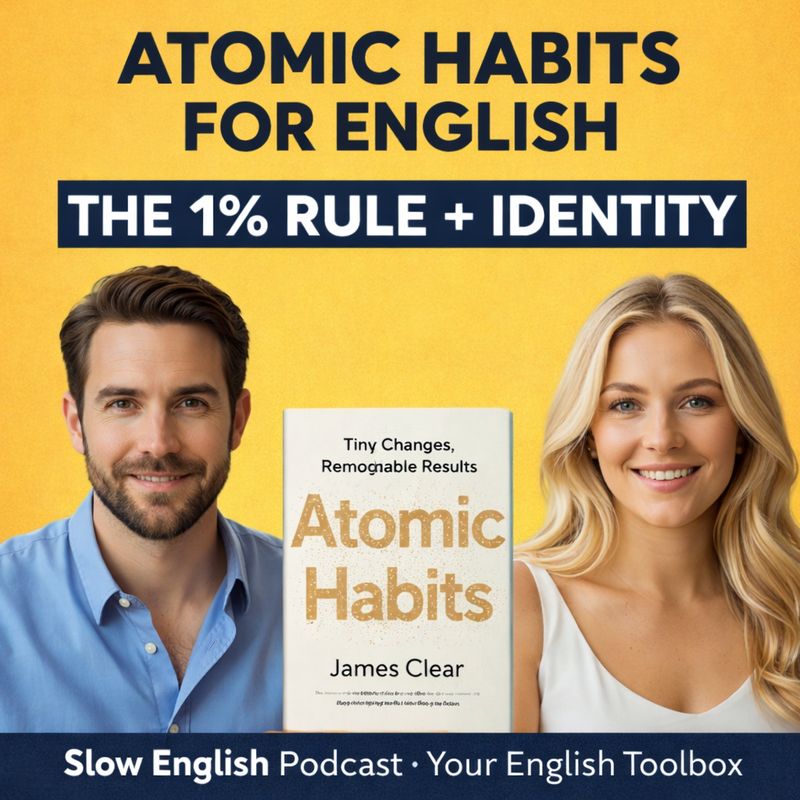
Episode 50
have decided to change my life completely. Oh really? Starting tomorrow I will wake up at 4 a.m. Okay. Then I will read three books. Three books in one morning? Yes and then I will…
🌍 Spin the globe below to jump to a transcript in your language.
Spin the globe (hover to rotate, drag or swipe to turn it) and click a country to jump to the transcript in that language.
The full episode script in English. Real inline text, indexable by search engines.
Martin: have decided to change my life completely. Oh really?
Starting tomorrow I will wake up at 4 a.m. Okay.
Then I will read three books. Three books in one morning?
Yes and then I will run a marathon before breakfast. Martin please Why?
Because by Wednesday you will be exhausted. I suppose you're right.
And by Friday you will have quit everything. This is the problem with ambition isn't it?
It is. We think we need to make giant changes
Julia: to get giant results. But Today we are going to look at the opposite approach.
We are exploring the book Atomic Habits by James Clear. This book argues that real change comes from tiny invisible improvements.
It is the science of the 1%. Welcome to your English toolbox, your slow English podcast where we train your ears step I am Julia and I am Martin.
Today we are decoding the secret of long-term success. Martin what are we going to
Martin: talk about today?
Today we're starting a new series of episodes where we take a deep dive into the ideas from the book Atomic Habits.
After our previous episode on this topic we received many requests asking us to go deeper.
So that's exactly what we're going to do.
In today's episode we'll explore the first two chapters of the book Fundamentals and Identity.
And along the way we're going to break one of the biggest myths about success.
The
Julia: idea of instant results.
We will learn why winners and losers actually have the exact same goals.
We will discover why cleaning your room solves nothing if you don't change your habits.
And we will explain why you are not a person who wants to speak English but a person who is a speaker.
If you listen until the end you will understand the math of success.
You will learn how to build a routine that runs on autopilot.
And
Martin: you will finally understand why you feel stuck just before a big breakthrough. Part 3.
The math of the 1%. Let's start with the math of success.
Don't worry it is simple math. Imagine you improve by just 1% every single day. 1% seems invisible.
It is tiny. You wouldn't even notice it in the moment.
But if you do that for 365 days the result is shocking. You don't end up two times better.
You end up 37 times
Julia: better. 37 times.
That is the power of compound interest.
Just like money multiplies habits multiply.
But we have to be careful because there is also the math of decline.
If you get 1% worse every day you degrade nearly to 0.
Time is a If you have bad habits time becomes your enemy.
But Martin does this apply to everything?
Absolutely.
Take productivity.
If you automate one small task you free up mental space for the next one.
That
Martin: is positive compounding or knowledge.
Learning one new idea doesn't make you a genius.
But a lifetime of learning transforms your worldview.
However stress compounds too.
Traffic jams plus parenting plus work worry equals health issues.
And negative thoughts compound the fastest.
The more you think of yourself as worthless the more you interpret life that way.
So we need to be on the right side of the math.
Part four.
The aggregation of marginal gains.
Martin this theory sounds
Julia: nice but does it work in the real world?
Let me tell you the story of British cycling.
For 100 years they were mediocre.
They had Then they hired a man named Dave Brailsford.
He did not try to make one giant change.
He used a strategy called the aggregation of marginal gains.
He looked for 1% improvements everywhere.
They redesigned the bike seats to be more comfortable.
They rubbed alcohol on the tires for better grip.
They bought electrically
Martin: heated shorts to keep muscles warm.
They even painted the floor of the truck white to spot dust that could degrade the bikes.
Wait they painted the floor?
Yes.
And they tested different pillows to see which one gave the best sleep.
These sound like tiny silly details.
But when you add them all up the result was explosive.
In the 2008 Olympics they won 60% of the gold medals.
They went from zero to heroes just by aggregating small
Julia: gains.
Part five.
The valley of disappointment.
So if small steps work why do we give up so easily?
Because of the plateau of latent potential.
That sounds complicated.
It just means we expect progress to be a straight line.
We work hard for a week and we don't see a change.
We expect results instantly.
But reality is curved.
Results show up late.
James Clear calls this gap the valley of disappointment.
It is that painful period where you
Martin: are working hard but seeing nothing. He uses the ice cube analogy.
Imagine an ice cube sitting in a cold room at 25 degrees. You heat the room to 26.
Nothing happens. 27, 28, 29. The ice is still solid.
Did you waste your time? No. You were storing energy.
At 31 degrees nothing happens. But at 32 degrees the ice begins to melt.
The work done heating it from 25 to 31 was not wasted. It was just invisible.
Julia: This is the bamboo tree metaphor. Bamboo spends five years building roots underground.
You see nothing. And then in six weeks it shoots up 90 feet.
So if you are in the valley of disappointment today do not quit. You are just building your roots.
Part six. Forget goals.
Focus on systems. Now we need to talk about goals.
Everybody tells us to set big goals. But James Clear says forget about goals.
Focus on systems instead. What is the
Martin: difference?
A goal is the result you want.
Like winning a game.
A system is the process you follow.
Like your practice schedule.
Think about it.
Winners and losers have the exact same goals.
Every athlete at the Olympics wants the gold medal.
So the goal cannot be the thing that makes the This is survivorship bias.
We only look at the winners and say they had a goal.
But the losers had the same goal.
The difference was their
Julia: system.
Also goals have a clean room problem.
If your room is messy and you clean it you have a clean room for now.
But if you don't change your sloppy habits the room gets messy again.
You treated the symptom not the cause.
Goals also create a yo-yo effect.
Once you run the marathon you stop training.
The motivation is gone because the goal is finished.
And finally goals restrict your happiness.
You tell yourself I will only be
Martin: happy if I reach the It is binary success.
But systems allow you to be satisfied any time the system is running.
There is a quote I love.
You do not rise to the level of your goals.
You fall to the level of your systems.
Part seven.
The onion of We have to look at the onion of change.
Imagine an onion with three layers.
The outer layer is outcomes.
What you get.
The middle layer is processes.
What
Julia: you do.
The center core is identity.
Who you are.
Most people try to change from the outside in.
They focus on the outcome.
I want to be thin.
But the strongest habits start from the center.
Identity based habits.
Imagine two people resisting a cigarette.
Person A says no thanks I'm trying to quit.
They still believe they are a smoker who is trying to stop.
Person B says no thanks I'm not a smoker.
That is a shift
Martin: in identity.
Behavior is evidence.
If you believe I am bad at math you will not study math.
That is a negative identity.
It creates cognitive dissonance to act against your beliefs.
It is mentally painful to do something that contradicts who you think you are.
True behavior change is identity change.
You might start a habit because of motivation.
But you stick with it because of identity.
You become a runner whenever you put on shoes.
You become a
Julia: writer whenever you write.
The goal is not to write a book but to become a writer.
Pride is the fuel here.
The more pride you have in an identity the harder you fight to keep it.
But first you might need to do some unlearning.
You have to unlearn the old identities that don't serve you.
Part 8 the voting machine.
So how do we change our identity?
It is a two-step process.
First decide who you want to
Martin: be.
Second prove it to yourself with small wins.
Think of your life as a voting machine.
Every action you take is a vote for the type of person you want to become.
Every time you practice English you cast a vote for I am a linguist.
Every time you choose a you cast a vote for I am healthy.
You don't need a unanimous vote to win the election.
You just need the majority.
You don't need to be
Julia: perfect. You just need to be consistent.
As the votes mount up the evidence changes. And you start to trust yourself.
There is a feedback loop. Your habits shape your identity and your identity shapes your habits.
Can we fake it? Yes.
Fake it till you make it. Ask yourself the question what would a healthy person do?
What would a fluent English speaker do? And then just do that small thing.
One small workout doesn't make you an athlete.
Martin: But it provides evidence that you could be one.
Part 9 conclusion.
So Martin we covered a lot today.
Let's recap the main philosophy.
Stop trying to make giant leaps.
Trust the math of the 1%.
Don't worry if you are in the valley of disappointment.
Your roots are growing like the bamboo.
Forget the goal of finishing English.
Build a system of daily contact.
And finally change your identity.
Don't say I want to learn.
Say I am a
Julia: learner.
Cast your votes every day.
If you show the platforms that our community is real, active, and growing.
This support is crucial for us to continue creating new episodes every week.
Tell us what vote are you casting today?
Are you voting for the runner, the writer, or the English speaker?
We need your comments because your voice is more important than ours.
Your voice and comments will show us the right path.
Thank you for listening.
Line by line: one English sentence, then its Español translation —
clearly separated, each with its own lang markup.
ENhave decided to change my life completely. Oh really?
Españolhe decidido cambiar mi vida por completo. ¿De verdad? A partir de mañana me despertaré a las 4 a.m.
ENStarting tomorrow I will wake up at 4 a.m. Okay.
EspañolEstá bien.
ENThen I will read three books. Three books in one morning?
EspañolLuego leeré tres libros. ¿Tres libros en una mañana? Sí, y después correré un maratón antes del desayuno.
ENYes and then I will run a marathon before breakfast. Martin please Why?
EspañolMartín, por favor. ¿Por qué? Porque para el miércoles estarás agotado.
ENBecause by Wednesday you will be exhausted. I suppose you're right.
EspañolSupongo que tienes razón. Y para el viernes habrás dejado todo.
ENAnd by Friday you will have quit everything. This is the problem with ambition isn't it?
EspañolEste es el problema con la ambición, ¿no?
ENIt is. We think we need to make giant changes
EspañolLo es. Pensamos que necesitamos hacer cambios gigantescos
ENto get giant results. But Today we are going to look at the opposite approach.
Españolpara obtener resultados gigantescos. Pero hoy vamos a ver el enfoque opuesto.
ENWe are exploring the book Atomic Habits by James Clear. This book argues that real change comes from tiny invisible improvements.
EspañolEstamos explorando el libro Hábitos Atómicos de James Clear. Este libro sostiene que el verdadero cambio proviene de pequeñas mejoras invisibles.
ENIt is the science of the 1%. Welcome to your English toolbox, your slow English podcast where we train your ears step I am Julia and I am Martin.
EspañolEs la ciencia del 1%. Bienvenidos a su caja de herramientas en inglés, su podcast de inglés lento donde entrenamos sus oídos paso a paso. Soy Julia y soy Martín.
ENToday we are decoding the secret of long-term success. Martin what are we going to
EspañolHoy estamos descifrando el secreto del éxito a largo plazo. Martín, ¿de qué vamos a
ENtalk about today?
Españolhablar hoy?
ENToday we're starting a new series of episodes where we take a deep dive into the ideas from the book Atomic Habits.
EspañolHoy comenzamos una nueva serie de episodios donde profundizamos en las ideas del libro Hábitos Atómicos.
ENAfter our previous episode on this topic we received many requests asking us to go deeper.
EspañolDespués de nuestro episodio anterior sobre este tema, recibimos muchas solicitudes pidiéndonos que profundizáramos.
ENSo that's exactly what we're going to do.
EspañolAsí que eso es exactamente lo que vamos a hacer.
ENIn today's episode we'll explore the first two chapters of the book Fundamentals and Identity.
EspañolEn el episodio de hoy exploraremos los dos primeros capítulos del libro: Fundamentos e Identidad.
ENAnd along the way we're going to break one of the biggest myths about success.
EspañolY en el camino vamos a desmentir uno de los mayores mitos sobre el éxito.
ENThe
EspañolLa
ENidea of instant results.
Españolidea de resultados instantáneos.
ENWe will learn why winners and losers actually have the exact same goals.
EspañolAprenderemos por qué los ganadores y los perdedores en realidad tienen los mismos objetivos.
ENWe will discover why cleaning your room solves nothing if you don't change your habits.
EspañolDescubriremos por qué limpiar tu habitación no resuelve nada si no cambias tus hábitos.
ENAnd we will explain why you are not a person who wants to speak English but a person who is a speaker.
EspañolY explicaremos por qué no eres una persona que quiere hablar inglés, sino una persona que es hablante.
ENIf you listen until the end you will understand the math of success.
EspañolSi escuchas hasta el final, entenderás la matemática del éxito.
ENYou will learn how to build a routine that runs on autopilot.
EspañolAprenderás cómo construir una rutina que funcione en piloto automático.
ENAnd
EspañolY
ENyou will finally understand why you feel stuck just before a big breakthrough. Part 3.
Españolfinalmente entenderás por qué te sientes estancado justo antes de un gran avance. Parte 3.
ENThe math of the 1%. Let's start with the math of success.
EspañolLa matemática del 1%. Comencemos con la matemática del éxito.
ENDon't worry it is simple math. Imagine you improve by just 1% every single day. 1% seems invisible.
EspañolNo te preocupes, es matemáticas simples. Imagina que mejoras solo un 1% cada día. El 1% parece invisible.
ENIt is tiny. You wouldn't even notice it in the moment.
EspañolEs pequeño. Ni siquiera lo notarías en el momento.
ENBut if you do that for 365 days the result is shocking. You don't end up two times better.
EspañolPero si haces eso durante 365 días, el resultado es sorprendente. No terminas siendo dos veces mejor.
ENYou end up 37 times
EspañolTerminas siendo 37 veces
ENbetter. 37 times.
Españolmejor. 37 veces.
ENThat is the power of compound interest.
EspañolEse es el poder del interés compuesto.
ENJust like money multiplies habits multiply.
EspañolAsí como el dinero se multiplica, los hábitos se multiplican.
ENBut we have to be careful because there is also the math of decline.
EspañolPero tenemos que tener cuidado porque también existe la matemática de la declinación.
ENIf you get 1% worse every day you degrade nearly to 0.
EspañolSi empeoras un 1% cada día, te degradarás casi a 0.
ENTime is a If you have bad habits time becomes your enemy.
EspañolEl tiempo es un Si tienes malos hábitos, el tiempo se convierte en tu enemigo.
ENBut Martin does this apply to everything?
EspañolPero, Martín, ¿esto se aplica a todo?
ENAbsolutely.
EspañolAbsolutamente.
ENTake productivity.
EspañolToma la productividad.
ENIf you automate one small task you free up mental space for the next one.
EspañolSi automatizas una pequeña tarea, liberas espacio mental para la siguiente.
ENThat
EspañolEso
ENis positive compounding or knowledge.
Españoles el compuesto positivo o el conocimiento.
ENLearning one new idea doesn't make you a genius.
EspañolAprender una nueva idea no te convierte en un genio.
ENBut a lifetime of learning transforms your worldview.
EspañolPero una vida de aprendizaje transforma tu visión del mundo.
ENHowever stress compounds too.
EspañolSin embargo, el estrés también se acumula.
ENTraffic jams plus parenting plus work worry equals health issues.
EspañolLos atascos de tráfico más la crianza de los hijos más la preocupación laboral igualan problemas de salud.
ENAnd negative thoughts compound the fastest.
EspañolY los pensamientos negativos se acumulan más rápido.
ENThe more you think of yourself as worthless the more you interpret life that way.
EspañolCuanto más te pienses como inútil, más interpretarás la vida de esa manera.
ENSo we need to be on the right side of the math.
EspañolAsí que necesitamos estar del lado correcto de la matemática.
ENPart four.
EspañolParte cuatro.
ENThe aggregation of marginal gains.
EspañolLa agregación de ganancias marginales.
ENMartin this theory sounds
EspañolMartín, esta teoría suena
ENnice but does it work in the real world?
Españolbien, pero ¿funciona en el mundo real?
ENLet me tell you the story of British cycling.
EspañolDéjame contarte la historia del ciclismo británico.
ENFor 100 years they were mediocre.
EspañolDurante 100 años fueron mediocres.
ENThey had Then they hired a man named Dave Brailsford.
EspañolTenían Luego contrataron a un hombre llamado Dave Brailsford.
ENHe did not try to make one giant change.
EspañolNo intentó hacer un cambio gigante.
ENHe used a strategy called the aggregation of marginal gains.
EspañolUsó una estrategia llamada la agregación de ganancias marginales.
ENHe looked for 1% improvements everywhere.
EspañolBuscó mejoras del 1% en todas partes.
ENThey redesigned the bike seats to be more comfortable.
EspañolRediseñaron los asientos de las bicicletas para que fueran más cómodos.
ENThey rubbed alcohol on the tires for better grip.
EspañolFrotaron alcohol en los neumáticos para un mejor agarre.
ENThey bought electrically
EspañolCompraron pantalones cortos eléctricos
ENheated shorts to keep muscles warm.
Españolcalentados para mantener los músculos calientes.
ENThey even painted the floor of the truck white to spot dust that could degrade the bikes.
EspañolIncluso pintaron el suelo del camión de blanco para detectar el polvo que podría degradar las bicicletas.
ENWait they painted the floor?
Español¿Espera, pintaron el suelo?
ENYes.
EspañolSí.
ENAnd they tested different pillows to see which one gave the best sleep.
EspañolY probaron diferentes almohadas para ver cuál daba el mejor sueño.
ENThese sound like tiny silly details.
EspañolEstos parecen ser detalles pequeños y tontos.
ENBut when you add them all up the result was explosive.
EspañolPero cuando los sumas todos, el resultado fue explosivo.
ENIn the 2008 Olympics they won 60% of the gold medals.
EspañolEn los Juegos Olímpicos de 2008 ganaron el 60% de las medallas de oro.
ENThey went from zero to heroes just by aggregating small
EspañolPasaron de ser cero a héroes solo agregando pequeñas
ENgains.
Españolganancias.
ENPart five.
EspañolParte cinco.
ENThe valley of disappointment.
EspañolEl valle de la decepción.
ENSo if small steps work why do we give up so easily?
EspañolEntonces, si los pequeños pasos funcionan, ¿por qué nos rendimos tan fácilmente?
ENBecause of the plateau of latent potential.
EspañolDebido a la meseta del potencial latente.
ENThat sounds complicated.
EspañolEso suena complicado.
ENIt just means we expect progress to be a straight line.
EspañolSolo significa que esperamos que el progreso sea una línea recta.
ENWe work hard for a week and we don't see a change.
EspañolTrabajamos duro durante una semana y no vemos un cambio.
ENWe expect results instantly.
EspañolEsperamos resultados instantáneamente.
ENBut reality is curved.
EspañolPero la realidad es curva.
ENResults show up late.
EspañolLos resultados aparecen tarde.
ENJames Clear calls this gap the valley of disappointment.
EspañolJames Clear llama a esta brecha el valle de la decepción.
ENIt is that painful period where you
EspañolEs ese período doloroso en el que
ENare working hard but seeing nothing. He uses the ice cube analogy.
Españolestás trabajando duro pero no ves nada. Usa la analogía del cubo de hielo.
ENImagine an ice cube sitting in a cold room at 25 degrees. You heat the room to 26.
EspañolImagina un cubo de hielo sentado en una habitación fría a 25 grados. Calientas la habitación a 26.
ENNothing happens. 27, 28, 29. The ice is still solid.
EspañolNo pasa nada. 27, 28, 29. El hielo sigue sólido. ¿Perdiste tu tiempo?
ENDid you waste your time? No. You were storing energy.
EspañolNo. Estabas almacenando energía.
ENAt 31 degrees nothing happens. But at 32 degrees the ice begins to melt.
EspañolA 31 grados no pasa nada. Pero a 32 grados el hielo comienza a derretirse.
ENThe work done heating it from 25 to 31 was not wasted. It was just invisible.
EspañolEl trabajo realizado para calentar de 25 a 31 no fue en vano. Solo fue invisible.
ENThis is the bamboo tree metaphor. Bamboo spends five years building roots underground.
EspañolEsta es la metáfora del árbol de bambú. El bambú pasa cinco años construyendo raíces bajo tierra.
ENYou see nothing. And then in six weeks it shoots up 90 feet.
EspañolNo ves nada. Y luego en seis semanas se eleva 90 pies.
ENSo if you are in the valley of disappointment today do not quit. You are just building your roots.
EspañolAsí que si estás en el valle de la decepción hoy, no te rindas. Solo estás construyendo tus raíces.
ENPart six. Forget goals.
EspañolParte seis. Olvida los objetivos.
ENFocus on systems. Now we need to talk about goals.
EspañolConcéntrate en los sistemas. Ahora necesitamos hablar sobre los objetivos.
ENEverybody tells us to set big goals. But James Clear says forget about goals.
EspañolTodos nos dicen que establezcamos grandes objetivos. Pero James Clear dice que olvidemos los objetivos.
ENFocus on systems instead. What is the
EspañolConcéntrate en los sistemas en su lugar. ¿Cuál es la
ENdifference?
Españoldiferencia?
ENA goal is the result you want.
EspañolUn objetivo es el resultado que deseas.
ENLike winning a game.
EspañolComo ganar un juego.
ENA system is the process you follow.
EspañolUn sistema es el proceso que sigues.
ENLike your practice schedule.
EspañolComo tu horario de práctica.
ENThink about it.
EspañolPiénsalo.
ENWinners and losers have the exact same goals.
EspañolLos ganadores y los perdedores tienen exactamente los mismos objetivos.
ENEvery athlete at the Olympics wants the gold medal.
EspañolCada atleta en los Juegos Olímpicos quiere la medalla de oro.
ENSo the goal cannot be the thing that makes the This is survivorship bias.
EspañolAsí que el objetivo no puede ser lo que hace que esto sea el sesgo de supervivencia.
ENWe only look at the winners and say they had a goal.
EspañolSolo miramos a los ganadores y decimos que tenían un objetivo.
ENBut the losers had the same goal.
EspañolPero los perdedores tenían el mismo objetivo.
ENThe difference was their
EspañolLa diferencia fue su
ENsystem.
Españolsistema.
ENAlso goals have a clean room problem.
EspañolAdemás, los objetivos tienen un problema de habitación limpia.
ENIf your room is messy and you clean it you have a clean room for now.
EspañolSi tu habitación está desordenada y la limpias, tienes una habitación limpia por ahora.
ENBut if you don't change your sloppy habits the room gets messy again.
EspañolPero si no cambias tus hábitos desordenados, la habitación se ensucia de nuevo.
ENYou treated the symptom not the cause.
EspañolTrataste el síntoma, no la causa.
ENGoals also create a yo-yo effect.
EspañolLos objetivos también crean un efecto yo-yo.
ENOnce you run the marathon you stop training.
EspañolUna vez que corres el maratón, dejas de entrenar.
ENThe motivation is gone because the goal is finished.
EspañolLa motivación se va porque el objetivo ha terminado.
ENAnd finally goals restrict your happiness.
EspañolY finalmente, los objetivos restringen tu felicidad.
ENYou tell yourself I will only be
EspañolTe dices a ti mismo que solo serás
ENhappy if I reach the It is binary success.
Españolfeliz si alcanzo el Es un éxito binario.
ENBut systems allow you to be satisfied any time the system is running.
EspañolPero los sistemas te permiten estar satisfecho cada vez que el sistema está funcionando.
ENThere is a quote I love.
EspañolHay una cita que me encanta.
ENYou do not rise to the level of your goals.
EspañolNo te elevas al nivel de tus objetivos.
ENYou fall to the level of your systems.
EspañolCaerás al nivel de tus sistemas.
ENPart seven.
EspañolParte siete.
ENThe onion of We have to look at the onion of change.
EspañolLa cebolla de tenemos que mirar la cebolla del cambio.
ENImagine an onion with three layers.
EspañolImagina una cebolla con tres capas.
ENThe outer layer is outcomes.
EspañolLa capa exterior son los resultados.
ENWhat you get.
EspañolLo que obtienes.
ENThe middle layer is processes.
EspañolLa capa media son los procesos.
ENWhat
EspañolLo que
ENyou do.
Españolhaces.
ENThe center core is identity.
EspañolEl núcleo central es la identidad.
ENWho you are.
EspañolQuién eres.
ENMost people try to change from the outside in.
EspañolLa mayoría de las personas intenta cambiar de afuera hacia adentro.
ENThey focus on the outcome.
EspañolSe enfocan en el resultado.
ENI want to be thin.
EspañolQuiero estar delgado.
ENBut the strongest habits start from the center.
EspañolPero los hábitos más fuertes comienzan desde el centro.
ENIdentity based habits.
EspañolHábitos basados en la identidad.
ENImagine two people resisting a cigarette.
EspañolImagina a dos personas resistiendo un cigarrillo.
ENPerson A says no thanks I'm trying to quit.
EspañolLa persona A dice: no, gracias, estoy tratando de dejarlo.
ENThey still believe they are a smoker who is trying to stop.
EspañolAún creen que son fumadores que están tratando de dejarlo.
ENPerson B says no thanks I'm not a smoker.
EspañolLa persona B dice: no, gracias, no soy un fumador.
ENThat is a shift
EspañolEse es un cambio
ENin identity.
Españolen la identidad.
ENBehavior is evidence.
EspañolEl comportamiento es evidencia.
ENIf you believe I am bad at math you will not study math.
EspañolSi crees que soy malo en matemáticas, no estudiarás matemáticas.
ENThat is a negative identity.
EspañolEsa es una identidad negativa.
ENIt creates cognitive dissonance to act against your beliefs.
EspañolCrea disonancia cognitiva actuar en contra de tus creencias.
ENIt is mentally painful to do something that contradicts who you think you are.
EspañolEs mentalmente doloroso hacer algo que contradice quién crees que eres.
ENTrue behavior change is identity change.
EspañolEl verdadero cambio de comportamiento es el cambio de identidad.
ENYou might start a habit because of motivation.
EspañolPuede que comiences un hábito por motivación.
ENBut you stick with it because of identity.
EspañolPero te mantienes en él por la identidad.
ENYou become a runner whenever you put on shoes.
EspañolTe conviertes en corredor cada vez que te pones los zapatos.
ENYou become a
EspañolTe conviertes en un
ENwriter whenever you write.
Españolescritor cada vez que escribes.
ENThe goal is not to write a book but to become a writer.
EspañolEl objetivo no es escribir un libro, sino convertirte en escritor.
ENPride is the fuel here.
EspañolEl orgullo es el combustible aquí.
ENThe more pride you have in an identity the harder you fight to keep it.
EspañolCuanto más orgullo tengas en una identidad, más duro lucharás por mantenerla.
ENBut first you might need to do some unlearning.
EspañolPero primero, puede que necesites desaprender algunas cosas.
ENYou have to unlearn the old identities that don't serve you.
EspañolTienes que desaprender las viejas identidades que no te sirven.
ENPart 8 the voting machine.
EspañolParte 8 la máquina de votación.
ENSo how do we change our identity?
EspañolEntonces, ¿cómo cambiamos nuestra identidad?
ENIt is a two-step process.
EspañolEs un proceso de dos pasos.
ENFirst decide who you want to
EspañolPrimero decide quién quieres
ENbe.
Españolser.
ENSecond prove it to yourself with small wins.
EspañolSegundo, demuéstralo a ti mismo con pequeñas victorias.
ENThink of your life as a voting machine.
EspañolPiensa en tu vida como una máquina de votación.
ENEvery action you take is a vote for the type of person you want to become.
EspañolCada acción que tomas es un voto por el tipo de persona que quieres llegar a ser.
ENEvery time you practice English you cast a vote for I am a linguist.
EspañolCada vez que practicas inglés, emites un voto por soy un lingüista.
ENEvery time you choose a you cast a vote for I am healthy.
EspañolCada vez que eliges un tú emites un voto por soy saludable.
ENYou don't need a unanimous vote to win the election.
EspañolNo necesitas un voto unánime para ganar la elección.
ENYou just need the majority.
EspañolSolo necesitas la mayoría.
ENYou don't need to be
EspañolNo necesitas ser
ENperfect. You just need to be consistent.
Españolperfecto. Solo necesitas ser consistente.
ENAs the votes mount up the evidence changes. And you start to trust yourself.
EspañolA medida que los votos se acumulan, la evidencia cambia.
ENThere is a feedback loop. Your habits shape your identity and your identity shapes your habits.
EspañolY comienzas a confiar en ti mismo. Hay un bucle de retroalimentación.
ENCan we fake it? Yes.
EspañolTus hábitos moldean tu identidad y tu identidad moldea tus hábitos. ¿Podemos fingirlo? Sí.
ENFake it till you make it. Ask yourself the question what would a healthy person do?
EspañolFinge hasta que lo logres.
ENWhat would a fluent English speaker do? And then just do that small thing.
EspañolPregúntate la pregunta: ¿qué haría una persona saludable? ¿Qué haría un hablante de inglés fluido? Y luego simplemente haz esa pequeña cosa.
ENOne small workout doesn't make you an athlete.
EspañolUn pequeño entrenamiento no te convierte en un atleta.
ENBut it provides evidence that you could be one.
EspañolPero proporciona evidencia de que podrías ser uno.
ENPart 9 conclusion.
EspañolParte 9 conclusión.
ENSo Martin we covered a lot today.
EspañolAsí que, Martín, cubrimos mucho hoy.
ENLet's recap the main philosophy.
EspañolRecapitulemos la filosofía principal.
ENStop trying to make giant leaps.
EspañolDeja de intentar dar saltos gigantes.
ENTrust the math of the 1%.
EspañolConfía en la matemática del 1%.
ENDon't worry if you are in the valley of disappointment.
EspañolNo te preocupes si estás en el valle de la decepción.
ENYour roots are growing like the bamboo.
EspañolTus raíces están creciendo como el bambú.
ENForget the goal of finishing English.
EspañolOlvida el objetivo de terminar el inglés.
ENBuild a system of daily contact.
EspañolConstruye un sistema de contacto diario.
ENAnd finally change your identity.
EspañolY finalmente, cambia tu identidad.
ENDon't say I want to learn.
EspañolNo digas quiero aprender.
ENSay I am a
EspañolDi soy un
ENlearner.
Españolaprendiz.
ENCast your votes every day.
EspañolEmite tus votos todos los días.
ENIf you show the platforms that our community is real, active, and growing.
EspañolSi muestras las plataformas que nuestra comunidad es real, activa y está creciendo.
ENThis support is crucial for us to continue creating new episodes every week.
EspañolEste apoyo es crucial para que sigamos creando nuevos episodios cada semana.
ENTell us what vote are you casting today?
EspañolCuéntanos, ¿qué voto estás emitiendo hoy?
ENAre you voting for the runner, the writer, or the English speaker?
Español¿Estás votando por el corredor, el escritor o el hablante de inglés?
ENWe need your comments because your voice is more important than ours.
EspañolNecesitamos tus comentarios porque tu voz es más importante que la nuestra.
ENYour voice and comments will show us the right path.
EspañolTu voz y comentarios nos mostrarán el camino correcto.
ENThank you for listening.
EspañolGracias por escuchar.
Line by line: one English sentence, then its Deutsch translation —
clearly separated, each with its own lang markup.
ENhave decided to change my life completely. Oh really?
DeutschIch habe beschlossen, mein Leben komplett zu verändern. Oh wirklich?
ENStarting tomorrow I will wake up at 4 a.m. Okay.
DeutschAb morgen werde ich um 4 Uhr morgens aufstehen. Okay.
ENThen I will read three books. Three books in one morning?
DeutschDann werde ich drei Bücher lesen. Drei Bücher an einem Morgen?
ENYes and then I will run a marathon before breakfast. Martin please Why?
DeutschJa, und dann werde ich vor dem Frühstück einen Marathon laufen. Martin, bitte. Warum?
ENBecause by Wednesday you will be exhausted. I suppose you're right.
DeutschWeil du bis Mittwoch erschöpft sein wirst. Ich schätze, du hast recht.
ENAnd by Friday you will have quit everything. This is the problem with ambition isn't it?
DeutschUnd bis Freitag wirst du alles aufgegeben haben. Das ist das Problem mit Ehrgeiz, nicht wahr?
ENIt is. We think we need to make giant changes
DeutschIst es. Wir denken, wir müssen riesige Veränderungen vornehmen,
ENto get giant results. But Today we are going to look at the opposite approach.
Deutschum riesige Ergebnisse zu erzielen. Aber heute werden wir den gegenteiligen Ansatz betrachten.
ENWe are exploring the book Atomic Habits by James Clear. This book argues that real change comes from tiny invisible improvements.
DeutschWir erkunden das Buch "Atomic Habits" von James Clear. Dieses Buch argumentiert, dass echte Veränderung aus kleinen, unsichtbaren Verbesserungen kommt.
ENIt is the science of the 1%. Welcome to your English toolbox, your slow English podcast where we train your ears step I am Julia and I am Martin.
DeutschEs ist die Wissenschaft der 1%. Willkommen in deinem Englisch-Toolbox, deinem langsamen Englisch-Podcast, in dem wir deine Ohren trainieren. Ich bin Julia und ich bin Martin.
ENToday we are decoding the secret of long-term success. Martin what are we going to
DeutschHeute entschlüsseln wir das Geheimnis des langfristigen Erfolgs. Martin, worüber werden wir
ENtalk about today?
Deutschheute sprechen?
ENToday we're starting a new series of episodes where we take a deep dive into the ideas from the book Atomic Habits.
DeutschHeute beginnen wir eine neue Serie von Episoden, in denen wir tief in die Ideen aus dem Buch "Atomic Habits" eintauchen.
ENAfter our previous episode on this topic we received many requests asking us to go deeper.
DeutschNach unserer vorherigen Episode zu diesem Thema haben wir viele Anfragen erhalten, tiefer zu gehen.
ENSo that's exactly what we're going to do.
DeutschGenau das werden wir tun.
ENIn today's episode we'll explore the first two chapters of the book Fundamentals and Identity.
DeutschIn der heutigen Episode werden wir die ersten beiden Kapitel des Buches erkunden: Grundlagen und Identität.
ENAnd along the way we're going to break one of the biggest myths about success.
DeutschUnd dabei werden wir einen der größten Mythen über Erfolg aufbrechen.
ENThe
DeutschDie
ENidea of instant results.
DeutschIdee von sofortigen Ergebnissen.
ENWe will learn why winners and losers actually have the exact same goals.
DeutschWir werden lernen, warum Gewinner und Verlierer tatsächlich die exakt gleichen Ziele haben.
ENWe will discover why cleaning your room solves nothing if you don't change your habits.
DeutschWir werden entdecken, warum das Aufräumen deines Zimmers nichts löst, wenn du deine Gewohnheiten nicht änderst.
ENAnd we will explain why you are not a person who wants to speak English but a person who is a speaker.
DeutschUnd wir werden erklären, warum du nicht eine Person bist, die Englisch sprechen möchte, sondern eine Person, die ein Sprecher ist.
ENIf you listen until the end you will understand the math of success.
DeutschWenn du bis zum Ende hörst, wirst du die Mathematik des Erfolgs verstehen.
ENYou will learn how to build a routine that runs on autopilot.
DeutschDu wirst lernen, wie man eine Routine aufbaut, die im Autopilot läuft.
ENAnd
DeutschUnd
ENyou will finally understand why you feel stuck just before a big breakthrough.
Deutschdu wirst endlich verstehen, warum du dich kurz vor einem großen Durchbruch festgefahren fühlst.
ENPart 3.
DeutschTeil 3.
ENThe math of the 1%.
DeutschDie Mathematik der 1%.
ENLet's start with the math of success.
DeutschLass uns mit der Mathematik des Erfolgs beginnen.
ENDon't worry it is simple math.
DeutschKeine Sorge, es ist einfache Mathematik.
ENImagine you improve by just 1% every single day. 1% seems invisible.
DeutschStell dir vor, du verbesserst dich jeden einzelnen Tag um nur 1%. 1% scheint unsichtbar zu sein.
ENIt is tiny.
DeutschEs ist winzig.
ENYou wouldn't even notice it in the moment.
DeutschDu würdest es im Moment nicht einmal bemerken.
ENBut if you do that for 365 days the result is shocking.
DeutschAber wenn du das 365 Tage lang machst, ist das Ergebnis schockierend.
ENYou don't end up two times better.
DeutschDu wirst nicht doppelt so gut.
ENYou end up 37 times
DeutschDu wirst 37-mal
ENbetter. 37 times.
Deutschbesser. 37-mal.
ENThat is the power of compound interest.
DeutschDas ist die Kraft des Zinseszinses.
ENJust like money multiplies habits multiply.
DeutschSo wie Geld sich vermehrt, vermehren sich Gewohnheiten.
ENBut we have to be careful because there is also the math of decline.
DeutschAber wir müssen vorsichtig sein, denn es gibt auch die Mathematik des Rückgangs.
ENIf you get 1% worse every day you degrade nearly to 0.
DeutschWenn du jeden Tag 1% schlechter wirst, degradierst du fast auf 0.
ENTime is a If you have bad habits time becomes your enemy.
DeutschZeit ist ein Wenn du schlechte Gewohnheiten hast, wird die Zeit zu deinem Feind.
ENBut Martin does this apply to everything?
DeutschAber Martin, gilt das für alles?
ENAbsolutely.
DeutschAbsolut.
ENTake productivity.
DeutschNimm Produktivität.
ENIf you automate one small task you free up mental space for the next one.
DeutschWenn du eine kleine Aufgabe automatisierst, schaffst du mentalen Raum für die nächste.
ENThat
DeutschDas
ENis positive compounding or knowledge.
Deutschist positives Compounding oder Wissen.
ENLearning one new idea doesn't make you a genius.
DeutschEine neue Idee zu lernen macht dich nicht zum Genie.
ENBut a lifetime of learning transforms your worldview.
DeutschAber ein Leben lang zu lernen, verändert deine Weltanschauung.
ENHowever stress compounds too.
DeutschStress kumuliert sich jedoch auch.
ENTraffic jams plus parenting plus work worry equals health issues.
DeutschStaus plus Elternschaft plus Arbeitsstress ergeben Gesundheitsprobleme.
ENAnd negative thoughts compound the fastest.
DeutschUnd negative Gedanken kumulieren sich am schnellsten.
ENThe more you think of yourself as worthless the more you interpret life that way.
DeutschJe mehr du denkst, dass du wertlos bist, desto mehr interpretierst du das Leben so.
ENSo we need to be on the right side of the math.
DeutschAlso müssen wir auf der richtigen Seite der Mathematik sein.
ENPart four.
DeutschTeil vier.
ENThe aggregation of marginal gains.
DeutschDie Aggregation marginaler Gewinne.
ENMartin this theory sounds
DeutschMartin, diese Theorie klingt
ENnice but does it work in the real world?
Deutschschön, aber funktioniert sie in der realen Welt?
ENLet me tell you the story of British cycling.
DeutschLass mich dir die Geschichte des britischen Radsports erzählen.
ENFor 100 years they were mediocre.
Deutsch100 Jahre lang waren sie mittelmäßig.
ENThey had Then they hired a man named Dave Brailsford.
DeutschDann stellten sie einen Mann namens Dave Brailsford ein.
ENHe did not try to make one giant change.
DeutschEr versuchte nicht, eine riesige Veränderung vorzunehmen.
ENHe used a strategy called the aggregation of marginal gains.
DeutschEr verwendete eine Strategie namens die Aggregation marginaler Gewinne.
ENHe looked for 1% improvements everywhere.
DeutschEr suchte überall nach 1%-Verbesserungen.
ENThey redesigned the bike seats to be more comfortable.
DeutschSie entwarfen die Fahrradsitze neu, um sie bequemer zu machen.
ENThey rubbed alcohol on the tires for better grip.
DeutschSie rieben Alkohol auf die Reifen für besseren Grip.
ENThey bought electrically
DeutschSie kauften elektrisch
ENheated shorts to keep muscles warm.
Deutschbeheizte Shorts, um die Muskeln warm zu halten.
ENThey even painted the floor of the truck white to spot dust that could degrade the bikes.
DeutschSie malten sogar den Boden des Lkw weiß, um Staub zu erkennen, der die Fahrräder beschädigen könnte.
ENWait they painted the floor?
DeutschWarte, sie haben den Boden gestrichen?
ENYes.
DeutschJa.
ENAnd they tested different pillows to see which one gave the best sleep.
DeutschUnd sie testeten verschiedene Kissen, um herauszufinden, welches den besten Schlaf bietet.
ENThese sound like tiny silly details.
DeutschDas klingt nach winzigen, albernen Details.
ENBut when you add them all up the result was explosive.
DeutschAber wenn du sie alle zusammenzählst, war das Ergebnis explosiv.
ENIn the 2008 Olympics they won 60% of the gold medals.
DeutschBei den Olympischen Spielen 2008 gewannen sie 60% der Goldmedaillen.
ENThey went from zero to heroes just by aggregating small
DeutschSie gingen von Null zu Helden, nur durch die Aggregation kleiner
ENgains.
DeutschGewinne.
ENPart five.
DeutschTeil fünf.
ENThe valley of disappointment.
DeutschDas Tal der Enttäuschung.
ENSo if small steps work why do we give up so easily?
DeutschWenn also kleine Schritte funktionieren, warum geben wir so leicht auf?
ENBecause of the plateau of latent potential.
DeutschWegen des Plateaus des latenten Potenzials.
ENThat sounds complicated.
DeutschDas klingt kompliziert.
ENIt just means we expect progress to be a straight line.
DeutschEs bedeutet nur, dass wir erwarten, dass Fortschritt eine gerade Linie ist.
ENWe work hard for a week and we don't see a change.
DeutschWir arbeiten eine Woche hart und sehen keine Veränderung.
ENWe expect results instantly.
DeutschWir erwarten sofortige Ergebnisse.
ENBut reality is curved.
DeutschAber die Realität ist gekrümmt.
ENResults show up late.
DeutschErgebnisse zeigen sich spät.
ENJames Clear calls this gap the valley of disappointment.
DeutschJames Clear nennt diese Lücke das Tal der Enttäuschung.
ENIt is that painful period where you
DeutschEs ist diese schmerzhafte Phase, in der du
ENare working hard but seeing nothing. He uses the ice cube analogy.
Deutschhart arbeitest, aber nichts siehst. Er verwendet die Analogie des Eiswürfels.
ENImagine an ice cube sitting in a cold room at 25 degrees. You heat the room to 26.
DeutschStell dir einen Eiswürfel vor, der in einem kalten Raum bei 25 Grad sitzt. Du heizt den Raum auf 26.
ENNothing happens. 27, 28, 29. The ice is still solid.
DeutschEs passiert nichts. 27, 28, 29. Das Eis bleibt fest.
ENDid you waste your time? No. You were storing energy.
DeutschHast du deine Zeit verschwendet? Nein. Du hast Energie gespeichert.
ENAt 31 degrees nothing happens. But at 32 degrees the ice begins to melt.
DeutschBei 31 Grad passiert nichts. Aber bei 32 Grad beginnt das Eis zu schmelzen.
ENThe work done heating it from 25 to 31 was not wasted. It was just invisible.
DeutschDie Arbeit, die du geleistet hast, um es von 25 auf 31 zu heizen, war nicht verschwendet. Sie war nur unsichtbar.
ENThis is the bamboo tree metaphor.
DeutschDas ist die Metapher des Bambusbaums.
ENBamboo spends five years building roots underground.
DeutschBambus verbringt fünf Jahre damit, Wurzeln unter der Erde zu bauen.
ENYou see nothing.
DeutschDu siehst nichts.
ENAnd then in six weeks it shoots up 90 feet.
DeutschUnd dann schießt er in sechs Wochen 90 Fuß hoch.
ENSo if you are in the valley of disappointment today do not quit.
DeutschWenn du also heute im Tal der Enttäuschung bist, gib nicht auf.
ENYou are just building your roots.
DeutschDu baust nur deine Wurzeln.
ENPart six.
DeutschTeil sechs.
ENForget goals.
DeutschVergiss Ziele.
ENFocus on systems.
DeutschKonzentriere dich auf Systeme.
ENNow we need to talk about goals.
DeutschJetzt müssen wir über Ziele sprechen.
ENEverybody tells us to set big goals.
DeutschJeder sagt uns, wir sollen große Ziele setzen.
ENBut James Clear says forget about goals.
DeutschAber James Clear sagt, vergiss die Ziele.
ENFocus on systems instead.
DeutschKonzentriere dich stattdessen auf Systeme.
ENWhat is the
DeutschWas ist der
ENdifference? A goal is the result you want.
DeutschUnterschied? Ein Ziel ist das Ergebnis, das du willst.
ENLike winning a game. A system is the process you follow.
DeutschWie das Gewinnen eines Spiels. Ein System ist der Prozess, dem du folgst.
ENLike your practice schedule. Think about it.
DeutschWie dein Übungsplan. Denk darüber nach.
ENWinners and losers have the exact same goals. Every athlete at the Olympics wants the gold medal.
DeutschGewinner und Verlierer haben genau die gleichen Ziele. Jeder Athlet bei den Olympischen Spielen will die Goldmedaille. Das Ziel kann also nicht das sein, was den Unterschied ausmacht.
ENSo the goal cannot be the thing that makes the This is survivorship bias. We only look at the winners and say they had a goal.
DeutschDas ist Überlebensverzerrung. Wir schauen nur auf die Gewinner und sagen, sie hatten ein Ziel.
ENBut the losers had the same goal. The difference was their
DeutschAber die Verlierer hatten dasselbe Ziel. Der Unterschied war ihr
ENsystem.
DeutschSystem.
ENAlso goals have a clean room problem.
DeutschAußerdem haben Ziele ein Problem mit dem sauberen Raum.
ENIf your room is messy and you clean it you have a clean room for now.
DeutschWenn dein Zimmer unordentlich ist und du es aufräumst, hast du für den Moment ein sauberes Zimmer.
ENBut if you don't change your sloppy habits the room gets messy again.
DeutschAber wenn du deine schlampigen Gewohnheiten nicht änderst, wird das Zimmer wieder unordentlich.
ENYou treated the symptom not the cause.
DeutschDu hast das Symptom behandelt, nicht die Ursache.
ENGoals also create a yo-yo effect.
DeutschZiele erzeugen auch einen Jo-Jo-Effekt.
ENOnce you run the marathon you stop training.
DeutschSobald du den Marathon gelaufen bist, hörst du mit dem Training auf.
ENThe motivation is gone because the goal is finished.
DeutschDie Motivation ist weg, weil das Ziel erreicht ist.
ENAnd finally goals restrict your happiness.
DeutschUnd schließlich schränken Ziele dein Glück ein.
ENYou tell yourself I will only be
DeutschDu sagst dir, ich werde nur
ENhappy if I reach the It is binary success. But systems allow you to be satisfied any time the system is running.
Deutschglücklich sein, wenn ich das erreiche. Es ist binärer Erfolg.
ENThere is a quote I love. You do not rise to the level of your goals.
DeutschAber Systeme ermöglichen es dir, jederzeit zufrieden zu sein, wenn das System läuft. Es gibt ein Zitat, das ich liebe. Du steigst nicht auf das Niveau deiner Ziele.
ENYou fall to the level of your systems. Part seven.
DeutschDu fällst auf das Niveau deiner Systeme. Teil sieben.
ENThe onion of We have to look at the onion of change. Imagine an onion with three layers.
DeutschDie Zwiebel des Wandels. Wir müssen die Zwiebel des Wandels betrachten.
ENThe outer layer is outcomes. What you get.
DeutschStell dir eine Zwiebel mit drei Schichten vor. Die äußere Schicht sind Ergebnisse. Was du bekommst.
ENThe middle layer is processes. What
DeutschDie mittlere Schicht sind Prozesse. Was
ENyou do.
Deutschdu tust.
ENThe center core is identity.
DeutschDer innere Kern ist Identität.
ENWho you are.
DeutschWer du bist.
ENMost people try to change from the outside in.
DeutschDie meisten Menschen versuchen, sich von außen nach innen zu verändern.
ENThey focus on the outcome.
DeutschSie konzentrieren sich auf das Ergebnis.
ENI want to be thin.
DeutschIch möchte dünn sein.
ENBut the strongest habits start from the center.
DeutschAber die stärksten Gewohnheiten beginnen im Inneren.
ENIdentity based habits.
DeutschIdentitätsbasierte Gewohnheiten.
ENImagine two people resisting a cigarette.
DeutschStell dir zwei Personen vor, die einer Zigarette widerstehen.
ENPerson A says no thanks I'm trying to quit.
DeutschPerson A sagt: Nein danke, ich versuche aufzuhören.
ENThey still believe they are a smoker who is trying to stop.
DeutschSie glauben immer noch, dass sie ein Raucher sind, der versucht aufzuhören.
ENPerson B says no thanks I'm not a smoker.
DeutschPerson B sagt: Nein danke, ich bin kein Raucher.
ENThat is a shift
DeutschDas ist ein Wechsel
ENin identity.
Deutschin der Identität.
ENBehavior is evidence.
DeutschVerhalten ist Beweis.
ENIf you believe I am bad at math you will not study math.
DeutschWenn du glaubst, ich bin schlecht in Mathe, wirst du nicht Mathe lernen.
ENThat is a negative identity.
DeutschDas ist eine negative Identität.
ENIt creates cognitive dissonance to act against your beliefs.
DeutschEs erzeugt kognitive Dissonanz, gegen deine Überzeugungen zu handeln.
ENIt is mentally painful to do something that contradicts who you think you are.
DeutschEs ist mental schmerzhaft, etwas zu tun, das dem widerspricht, was du denkst, wer du bist.
ENTrue behavior change is identity change.
DeutschEchte Verhaltensänderung ist Identitätsänderung.
ENYou might start a habit because of motivation.
DeutschDu könntest eine Gewohnheit aus Motivation beginnen.
ENBut you stick with it because of identity.
DeutschAber du bleibst dabei, weil es zu deiner Identität gehört.
ENYou become a runner whenever you put on shoes.
DeutschDu wirst ein Läufer, wann immer du Schuhe anziehst.
ENYou become a
DeutschDu wirst ein
ENwriter whenever you write.
DeutschSchriftsteller, wann immer du schreibst.
ENThe goal is not to write a book but to become a writer.
DeutschDas Ziel ist nicht, ein Buch zu schreiben, sondern ein Schriftsteller zu werden.
ENPride is the fuel here.
DeutschStolz ist hier der Treibstoff.
ENThe more pride you have in an identity the harder you fight to keep it.
DeutschJe mehr Stolz du in eine Identität hast, desto härter kämpfst du, sie zu behalten.
ENBut first you might need to do some unlearning.
DeutschAber zuerst musst du vielleicht einiges verlernen.
ENYou have to unlearn the old identities that don't serve you.
DeutschDu musst die alten Identitäten verlernen, die dir nicht mehr dienen.
ENPart 8 the voting machine.
DeutschTeil 8 die Abstimmungsmaschine.
ENSo how do we change our identity?
DeutschWie ändern wir also unsere Identität?
ENIt is a two-step process.
DeutschEs ist ein zweistufiger Prozess.
ENFirst decide who you want to
DeutschEntscheide zunächst, wer du sein möchtest
ENbe. Second prove it to yourself with small wins.
Deutschsein. Zweitens beweise es dir selbst mit kleinen Erfolgen.
ENThink of your life as a voting machine. Every action you take is a vote for the type of person you want to become.
DeutschDenk an dein Leben als eine Abstimmungsmaschine. Jede Handlung, die du durchführst, ist eine Stimme für die Art von Person, die du werden möchtest.
ENEvery time you practice English you cast a vote for I am a linguist. Every time you choose a you cast a vote for I am healthy.
DeutschJedes Mal, wenn du Englisch übst, gibst du eine Stimme ab für: Ich bin ein Sprachlerner. Jedes Mal, wenn du eine gesunde Wahl triffst, gibst du eine Stimme ab für: Ich bin gesund.
ENYou don't need a unanimous vote to win the election. You just need the majority.
DeutschDu brauchst keine einstimmige Abstimmung, um die Wahl zu gewinnen. Du brauchst nur die Mehrheit.
ENYou don't need to be
DeutschDu musst nicht
ENperfect.
Deutschperfekt sein.
ENYou just need to be consistent.
DeutschDu musst nur konsequent sein.
ENAs the votes mount up the evidence changes.
DeutschWährend die Stimmen sich häufen, ändert sich die Beweislage.
ENAnd you start to trust yourself.
DeutschUnd du beginnst, dir selbst zu vertrauen.
ENThere is a feedback loop.
DeutschEs gibt einen Rückkopplungskreis.
ENYour habits shape your identity and your identity shapes your habits.
DeutschDeine Gewohnheiten formen deine Identität und deine Identität formt deine Gewohnheiten.
ENCan we fake it?
DeutschKönnen wir es vortäuschen?
ENYes.
DeutschJa.
ENFake it till you make it.
DeutschTue so, als ob, bis es klappt.
ENAsk yourself the question what would a healthy person do?
DeutschFrag dich selbst: Was würde eine gesunde Person tun?
ENWhat would a fluent English speaker do?
DeutschWas würde ein fließender Englischsprecher tun?
ENAnd then just do that small thing.
DeutschUnd dann tu einfach diese kleine Sache.
ENOne small workout doesn't make you an athlete.
DeutschEin kleines Training macht dich nicht zu einem Athleten.
ENBut it provides evidence that you could be one. Part 9 conclusion.
DeutschAber es liefert Beweise, dass du einer sein könntest. Teil 9 Fazit.
ENSo Martin we covered a lot today. Let's recap the main philosophy.
DeutschAlso Martin, wir haben heute viel behandelt. Lass uns die Hauptphilosophie zusammenfassen.
ENStop trying to make giant leaps. Trust the math of the 1%.
DeutschHör auf, riesige Sprünge machen zu wollen. Vertraue der Mathematik der 1%.
ENDon't worry if you are in the valley of disappointment. Your roots are growing like the bamboo.
DeutschMach dir keine Sorgen, wenn du im Tal der Enttäuschung bist. Deine Wurzeln wachsen wie der Bambus.
ENForget the goal of finishing English. Build a system of daily contact.
DeutschVergiss das Ziel, Englisch zu beenden. Baue ein System des täglichen Kontakts auf.
ENAnd finally change your identity. Don't say I want to learn.
DeutschUnd schließlich ändere deine Identität. Sag nicht: Ich möchte lernen.
ENSay I am a
DeutschSag: Ich bin ein
ENlearner.
DeutschLernenden.
ENCast your votes every day.
DeutschGebt jeden Tag eure Stimme ab.
ENIf you show the platforms that our community is real, active, and growing.
DeutschZeigt den Plattformen, dass unsere Community real, aktiv und am Wachsen ist.
ENThis support is crucial for us to continue creating new episodes every week.
DeutschDiese Unterstützung ist entscheidend, damit wir weiterhin jede Woche neue Episoden erstellen können.
ENTell us what vote are you casting today?
DeutschErzähl uns, welche Stimme gibst du heute ab?
ENAre you voting for the runner, the writer, or the English speaker?
DeutschStimmst du für den Läufer, den Schreiber oder den Englischsprecher?
ENWe need your comments because your voice is more important than ours.
DeutschWir brauchen deine Kommentare, weil deine Stimme wichtiger ist als unsere.
ENYour voice and comments will show us the right path.
DeutschDeine Stimme und deine Kommentare werden uns den richtigen Weg zeigen.
ENThank you for listening.
DeutschDanke fürs Zuhören.
Line by line: one English sentence, then its فارسی translation —
clearly separated, each with its own lang markup.
ENhave decided to change my life completely.
فارسیتصمیم گرفتهام که زندگیام را بهطور کامل تغییر دهم.
ENOh really?
فارسیواقعاً؟
ENStarting tomorrow I will wake up at 4 a.m.
فارسیاز فردا ساعت ۴ صبح بیدار میشوم.
ENOkay.
فارسیخوب.
ENThen I will read three books.
فارسیبعد سه کتاب میخوانم.
ENThree books in one morning?
فارسیسه کتاب در یک صبح؟
ENYes and then I will run a marathon before breakfast.
فارسیبله و بعد قبل از صبحانه یک ماراتن میدوم.
ENMartin please Why?
فارسیمارتین لطفاً چرا؟
ENBecause by Wednesday you will be exhausted.
فارسیچون تا چهارشنبه خسته خواهی شد.
ENI suppose you're right.
فارسیفکر میکنم حق با توست.
ENAnd by Friday you will have quit everything.
فارسیو تا جمعه همه چیز را ترک کردهای.
ENThis is the problem with ambition isn't it?
فارسیاین مشکل جاهطلبی نیست؟
ENIt is.
فارسیبله.
ENWe think we need to make giant changes
فارسیما فکر میکنیم که باید تغییرات بزرگی ایجاد کنیم.
ENto get giant results. But Today we are going to look at the opposite approach.
فارسیتا نتایج بزرگ بگیریم. اما امروز میخواهیم به رویکرد مخالف نگاه کنیم.
ENWe are exploring the book Atomic Habits by James Clear. This book argues that real change comes from tiny invisible improvements.
فارسیما در حال بررسی کتاب عادات اتمی نوشته جیمز کلیر هستیم. این کتاب استدلال میکند که تغییر واقعی از بهبودهای کوچک و نامرئی ناشی میشود.
ENIt is the science of the 1%. Welcome to your English toolbox, your slow English podcast where we train your ears step I am Julia and I am Martin.
فارسیاین علم ۱% است. به جعبه ابزار انگلیسی شما خوش آمدید، پادکست انگلیسی آرام شما که در آن گوشهای شما را آموزش میدهیم. من جولیا هستم و من مارتین.
ENToday we are decoding the secret of long-term success. Martin what are we going to
فارسیامروز در حال رمزگشایی راز موفقیت بلندمدت هستیم. مارتین امروز درباره چه چیزی صحبت خواهیم کرد؟
ENtalk about today? Today we're starting a new series of episodes where we take a deep dive into the ideas from the book Atomic Habits.
فارسیامروز یک سری جدید از اپیزودها را شروع میکنیم که در آن به عمق ایدههای کتاب عادات اتمی میپردازیم.
ENAfter our previous episode on this topic we received many requests asking us to go deeper. So that's exactly what we're going to do.
فارسیپس از اپیزود قبلی ما در این موضوع، درخواستهای زیادی برای عمیقتر شدن دریافت کردیم. بنابراین دقیقاً همین کار را خواهیم کرد.
ENIn today's episode we'll explore the first two chapters of the book Fundamentals and Identity. And along the way we're going to break one of the biggest myths about success.
فارسیدر اپیزود امروز، دو فصل اول کتاب، اصول و هویت را بررسی خواهیم کرد.
ENThe
فارسیو در این مسیر یکی از بزرگترین افسانهها درباره موفقیت را میشکنیم.
ENidea of instant results.
فارسیایده نتایج فوری.
ENWe will learn why winners and losers actually have the exact same goals.
فارسیما یاد خواهیم گرفت که چرا برندگان و بازندگان در واقع اهداف یکسانی دارند.
ENWe will discover why cleaning your room solves nothing if you don't change your habits.
فارسیما کشف خواهیم کرد که چرا تمیز کردن اتاق شما هیچ چیزی را حل نمیکند اگر عادات خود را تغییر ندهید.
ENAnd we will explain why you are not a person who wants to speak English but a person who is a speaker.
فارسیو توضیح خواهیم داد که چرا شما فردی نیستید که میخواهد انگلیسی صحبت کند بلکه فردی هستید که یک سخنران است.
ENIf you listen until the end you will understand the math of success.
فارسیاگر تا انتها گوش دهید، ریاضیات موفقیت را خواهید فهمید.
ENYou will learn how to build a routine that runs on autopilot.
فارسییاد خواهید گرفت که چگونه یک روال بسازید که بهطور خودکار اجرا شود.
ENAnd
فارسیو
ENyou will finally understand why you feel stuck just before a big breakthrough. Part 3.
فارسیسرانجام خواهید فهمید که چرا درست قبل از یک پیشرفت بزرگ احساس گیر کردن میکنید. بخش ۳.
ENThe math of the 1%. Let's start with the math of success.
فارسیریاضیات ۱%. بیایید با ریاضیات موفقیت شروع کنیم.
ENDon't worry it is simple math. Imagine you improve by just 1% every single day. 1% seems invisible.
فارسینگران نباشید، این ریاضیات ساده است. تصور کنید که هر روز فقط ۱% بهبود مییابید. ۱% به نظر نامرئی میرسد.
ENIt is tiny. You wouldn't even notice it in the moment.
فارسیخیلی کوچک است. شما حتی در آن لحظه متوجه آن نخواهید شد.
ENBut if you do that for 365 days the result is shocking. You don't end up two times better.
فارسیاما اگر این کار را به مدت ۳۶۵ روز انجام دهید، نتیجه شگفتانگیز است. شما دو برابر بهتر نمیشوید.
ENYou end up 37 times
فارسیشما ۳۷ برابر بهتر میشوید.
ENbetter. 37 times.
فارسی۳۷ برابر.
ENThat is the power of compound interest.
فارسیاین قدرت بهره مرکب است.
ENJust like money multiplies habits multiply.
فارسیدرست مانند پول که چند برابر میشود، عادات نیز چند برابر میشوند.
ENBut we have to be careful because there is also the math of decline.
فارسیاما باید مراقب باشیم زیرا ریاضیات کاهش نیز وجود دارد.
ENIf you get 1% worse every day you degrade nearly to 0.
فارسیاگر هر روز ۱% بدتر شوید، تقریباً به ۰ میرسید.
ENTime is a If you have bad habits time becomes your enemy.
فارسیزمان یک...
ENBut Martin does this apply to everything?
فارسیاگر عادات بدی داشته باشید، زمان دشمن شما میشود.
ENAbsolutely.
فارسیاما مارتین آیا این به همه چیز مربوط میشود؟ قطعاً.
ENTake productivity.
فارسیبه بهرهوری فکر کنید.
ENIf you automate one small task you free up mental space for the next one.
فارسیاگر یک کار کوچک را خودکار کنید، فضای ذهنی برای کار بعدی آزاد میکنید.
ENThat
فارسیاین
ENis positive compounding or knowledge. Learning one new idea doesn't make you a genius.
فارسیبهره مثبت یا دانش است. یادگیری یک ایده جدید شما را نابغه نمیکند.
ENBut a lifetime of learning transforms your worldview. However stress compounds too.
فارسیاما یک عمر یادگیری، دیدگاه شما را تغییر میدهد. با این حال، استرس نیز جمع میشود.
ENTraffic jams plus parenting plus work worry equals health issues. And negative thoughts compound the fastest.
فارسیترافیک، والدین بودن، نگرانیهای کاری برابر است با مشکلات سلامتی.
ENThe more you think of yourself as worthless the more you interpret life that way. So we need to be on the right side of the math.
فارسیو افکار منفی سریعترین جمع میشوند. هر چه بیشتر خود را بیارزش بدانید، بیشتر زندگی را به آن شکل تفسیر میکنید.
ENPart four. The aggregation of marginal gains.
فارسیبنابراین باید در سمت درست ریاضیات باشیم. بخش چهارم.
ENMartin this theory sounds
فارسیتجمیع بهبودهای جزئی.
ENnice but does it work in the real world?
فارسیمارتین، این نظریه خوب به نظر میرسد، اما آیا در دنیای واقعی کار میکند؟
ENLet me tell you the story of British cycling.
فارسیبگذارید داستان دوچرخهسواری بریتانیا را برایتان بگویم.
ENFor 100 years they were mediocre.
فارسیبه مدت ۱۰۰ سال آنها متوسط بودند.
ENThey had Then they hired a man named Dave Brailsford.
فارسیآنها سپس مردی به نام دیو برایلسفورد را استخدام کردند.
ENHe did not try to make one giant change.
فارسیاو سعی نکرد یک تغییر بزرگ ایجاد کند.
ENHe used a strategy called the aggregation of marginal gains.
فارسیاو از استراتژی به نام تجمیع بهبودهای جزئی استفاده کرد.
ENHe looked for 1% improvements everywhere.
فارسیاو به دنبال بهبودهای ۱% در همه جا بود.
ENThey redesigned the bike seats to be more comfortable.
فارسیآنها صندلیهای دوچرخه را برای راحتتر شدن طراحی کردند.
ENThey rubbed alcohol on the tires for better grip.
فارسیآنها الکل را روی لاستیکها مالیدند تا چسبندگی بهتری داشته باشند.
ENThey bought electrically
فارسیآنها شلوارهای گرمکن برقی خریدند
ENheated shorts to keep muscles warm.
فارسیتا عضلات را گرم نگه دارند.
ENThey even painted the floor of the truck white to spot dust that could degrade the bikes.
فارسیحتی کف کامیون را سفید رنگ کردند تا گرد و غباری که میتواند دوچرخهها را خراب کند، مشخص شود.
ENWait they painted the floor?
فارسیصبر کن، آنها کف را رنگ کردند؟
ENYes.
فارسیبله.
ENAnd they tested different pillows to see which one gave the best sleep.
فارسیو آنها بالشهای مختلف را آزمایش کردند تا ببینند کدام یک بهترین خواب را میدهد.
ENThese sound like tiny silly details.
فارسیاینها به نظر جزئیات کوچک و احمقانه میآیند.
ENBut when you add them all up the result was explosive.
فارسیاما وقتی همه آنها را جمع کنید، نتیجه انفجاری بود.
ENIn the 2008 Olympics they won 60% of the gold medals.
فارسیدر الماسهای ۲۰۰۸، آنها ۶۰% از مدالهای طلا را بردند.
ENThey went from zero to heroes just by aggregating small
فارسیآنها از صفر به قهرمانان تبدیل شدند فقط با تجمیع بهبودهای کوچک.
ENgains. Part five.
فارسیبخش پنج. دره ناامیدی.
ENThe valley of disappointment. So if small steps work why do we give up so easily?
فارسیپس اگر قدمهای کوچک کار میکند، چرا اینقدر آسان تسلیم میشویم؟ به خاطر فلات پتانسیل نهفته.
ENBecause of the plateau of latent potential. That sounds complicated.
فارسیاین به نظر پیچیده میآید. فقط به این معنی است که ما انتظار داریم پیشرفت یک خط مستقیم باشد.
ENIt just means we expect progress to be a straight line. We work hard for a week and we don't see a change.
فارسیما یک هفته سخت کار میکنیم و تغییری نمیبینیم. ما انتظار داریم نتایج فوری باشد.
ENWe expect results instantly. But reality is curved.
فارسیاما واقعیت منحنی است.
ENResults show up late. James Clear calls this gap the valley of disappointment.
فارسینتایج دیر ظاهر میشوند. جیمز کلیر این فاصله را دره ناامیدی مینامد.
ENIt is that painful period where you
فارسیاین دوره دردناک است که شما
ENare working hard but seeing nothing. He uses the ice cube analogy.
فارسیسخت کار میکنید اما چیزی نمیبینید. او از تشبیه مکعب یخ استفاده میکند.
ENImagine an ice cube sitting in a cold room at 25 degrees. You heat the room to 26.
فارسیتصور کنید یک مکعب یخ در یک اتاق سرد با دمای ۲۵ درجه نشسته است. شما دما را به ۲۶ افزایش میدهید.
ENNothing happens. 27, 28, 29. The ice is still solid.
فارسیهیچ اتفاقی نمیافتد. ۲۷، ۲۸، ۲۹.
ENDid you waste your time? No. You were storing energy.
فارسییخ هنوز جامد است. آیا وقت خود را هدر دادهاید؟ نه. شما انرژی ذخیره کردهاید.
ENAt 31 degrees nothing happens. But at 32 degrees the ice begins to melt.
فارسیدر ۳۱ درجه هیچ اتفاقی نمیافتد. اما در ۳۲ درجه یخ شروع به ذوب شدن میکند.
ENThe work done heating it from 25 to 31 was not wasted. It was just invisible.
فارسیکار انجام شده برای گرم کردن آن از ۲۵ به ۳۱ هدر نرفته بود. فقط نامرئی بود.
ENThis is the bamboo tree metaphor. Bamboo spends five years building roots underground.
فارسیاین تشبیه درخت بامبو است. بامبو پنج سال را صرف ساختن ریشههای زیرزمینی میکند.
ENYou see nothing. And then in six weeks it shoots up 90 feet.
فارسیشما هیچ چیزی نمیبینید. و سپس در شش هفته، ۹۰ فوت بالا میرود.
ENSo if you are in the valley of disappointment today do not quit. You are just building your roots.
فارسیبنابراین اگر امروز در دره ناامیدی هستید، تسلیم نشوید. شما فقط در حال ساختن ریشههای خود هستید.
ENPart six. Forget goals.
فارسیبخش شش.
ENFocus on systems. Now we need to talk about goals.
فارسیفراموش کردن اهداف. بر روی سیستمها تمرکز کنید.
ENEverybody tells us to set big goals. But James Clear says forget about goals.
فارسیحالا باید درباره اهداف صحبت کنیم. همه به ما میگویند که اهداف بزرگ تعیین کنیم.
ENFocus on systems instead. What is the
فارسیاما جیمز کلیر میگوید اهداف را فراموش کنید. به جای آن بر روی سیستمها تمرکز کنید.
ENdifference?
فارسیتفاوت چیست؟ یک هدف نتیجهای است که میخواهید.
ENA goal is the result you want.
فارسیمانند برنده شدن در یک بازی.
ENLike winning a game.
فارسییک سیستم فرآیندی است که دنبال میکنید.
ENA system is the process you follow.
فارسیمانند برنامه تمرینی شما.
ENLike your practice schedule.
فارسیبه آن فکر کنید.
ENThink about it.
فارسیبرندگان و بازندگان دقیقاً همان اهداف را دارند.
ENWinners and losers have the exact same goals.
فارسیهر ورزشکاری در الماسهای الماس میخواهد مدال طلا را بگیرد.
ENEvery athlete at the Olympics wants the gold medal.
فارسیبنابراین هدف نمیتواند چیزی باشد که این را ایجاد کند.
ENSo the goal cannot be the thing that makes the This is survivorship bias.
فارسیاین سوگیری بقا است.
ENWe only look at the winners and say they had a goal.
فارسیما فقط به برندگان نگاه میکنیم و میگوییم آنها هدف داشتند.
ENBut the losers had the same goal.
فارسیاما بازندگان نیز همان هدف را داشتند.
ENThe difference was their
فارسیتفاوت در سیستم آنها بود.
ENsystem. Also goals have a clean room problem.
فارسیسیستم. همچنین اهداف مشکل اتاق تمیز را دارند.
ENIf your room is messy and you clean it you have a clean room for now. But if you don't change your sloppy habits the room gets messy again.
فارسیاما اگر عادات شلخته خود را تغییر ندهید، اتاق دوباره به هم میریزد. شما علامت را درمان کردهاید نه علت را.
ENYou treated the symptom not the cause. Goals also create a yo-yo effect.
فارسیاهداف همچنین اثر یو-یو ایجاد میکنند.
ENOnce you run the marathon you stop training. The motivation is gone because the goal is finished.
فارسیوقتی ماراتن را دویدید، تمرین را متوقف میکنید. انگیزه از بین میرود چون هدف تمام شده است.
ENAnd finally goals restrict your happiness. You tell yourself I will only be
فارسیو در نهایت اهداف شادی شما را محدود میکنند. به خود میگویید فقط زمانی
ENhappy if I reach the It is binary success. But systems allow you to be satisfied any time the system is running.
فارسیخوشحال خواهم بود که به هدف برسم.
ENThere is a quote I love. You do not rise to the level of your goals.
فارسیاین موفقیت باینری است. اما سیستمها به شما اجازه میدهند هر زمان که سیستم در حال اجراست، راضی باشید.
ENYou fall to the level of your systems. Part seven.
فارسییک نقل قولی که دوست دارم وجود دارد.
ENThe onion of We have to look at the onion of change. Imagine an onion with three layers.
فارسیشما به سطح اهداف خود نمیرسید.
ENThe outer layer is outcomes. What you get.
فارسیشما به سطح سیستمهای خود سقوط میکنید. بخش هفت.
ENThe middle layer is processes. What
فارسیپیاز تغییر.
ENyou do. The center core is identity.
فارسیما باید به پیاز تغییر نگاه کنیم. تصور کنید یک پیاز با سه لایه. لایه بیرونی نتایج است.
ENWho you are. Most people try to change from the outside in.
فارسیچیزی که به دست میآورید. لایه میانی فرآیندها است. چیزی که انجام میدهید.
ENThey focus on the outcome. I want to be thin.
فارسیهسته مرکزی هویت است. اینکه شما کی هستید.
ENBut the strongest habits start from the center. Identity based habits.
فارسیبیشتر مردم سعی میکنند از بیرون به درون تغییر کنند. آنها بر روی نتیجه تمرکز میکنند. میخواهم لاغر شوم.
ENImagine two people resisting a cigarette. Person A says no thanks I'm trying to quit.
فارسیاما قویترین عادات از مرکز شروع میشوند. عادات مبتنی بر هویت. تصور کنید دو نفر در حال مقاومت در برابر سیگار هستند.
ENThey still believe they are a smoker who is trying to stop. Person B says no thanks I'm not a smoker.
فارسیشخص A میگوید نه، متشکرم، من سعی میکنم ترک کنم. آنها هنوز باور دارند که یک سیگاری هستند که سعی در ترک دارد. شخص B میگوید نه، متشکرم، من سیگاری نیستم.
ENThat is a shift
فارسیاین یک تغییر
ENin identity. Behavior is evidence.
فارسیدر هویت است. رفتار شواهد است.
ENIf you believe I am bad at math you will not study math. That is a negative identity.
فارسیاگر باور داشته باشید که من در ریاضی بد هستم، مطالعه ریاضی نخواهید کرد. این یک هویت منفی است.
ENIt creates cognitive dissonance to act against your beliefs. It is mentally painful to do something that contradicts who you think you are.
فارسیاین باعث میشود که در برابر باورهای خود عمل کنید.
ENTrue behavior change is identity change. You might start a habit because of motivation.
فارسیانجام کاری که با آنچه فکر میکنید هستید، درد ذهنی دارد. تغییر واقعی رفتار، تغییر هویت است.
ENBut you stick with it because of identity. You become a runner whenever you put on shoes.
فارسیشما ممکن است یک عادت را به دلیل انگیزه شروع کنید. اما به خاطر هویت خود با آن ادامه میدهید.
ENYou become a
فارسیشما هر زمان که کفش بپوشید، یک دونده میشوید.
ENwriter whenever you write.
فارسیشما هر زمان که بنویسید، یک نویسنده میشوید.
ENThe goal is not to write a book but to become a writer.
فارسیهدف نوشتن یک کتاب نیست بلکه تبدیل شدن به یک نویسنده است.
ENPride is the fuel here.
فارسیاینجا افتخار سوخت است.
ENThe more pride you have in an identity the harder you fight to keep it.
فارسیهر چه افتخار بیشتری در یک هویت داشته باشید، سختتر برای حفظ آن میجنگید.
ENBut first you might need to do some unlearning.
فارسیاما اول ممکن است نیاز داشته باشید که برخی از هویتهای قدیمی که به شما خدمت نمیکنند را فراموش کنید.
ENYou have to unlearn the old identities that don't serve you.
فارسیبخش ۸.
ENPart 8 the voting machine.
فارسیماشین رأیگیری.
ENSo how do we change our identity?
فارسیپس چگونه هویت خود را تغییر دهیم؟
ENIt is a two-step process.
فارسیاین یک فرآیند دو مرحلهای است.
ENFirst decide who you want to
فارسیاول تصمیم بگیرید که میخواهید چه کسی باشید.
ENbe. Second prove it to yourself with small wins.
فارسیدوم آن را با پیروزیهای کوچک به خود ثابت کنید. زندگی خود را به عنوان یک ماشین رأیگیری تصور کنید.
ENThink of your life as a voting machine. Every action you take is a vote for the type of person you want to become.
فارسیهر عملی که انجام میدهید، یک رأی برای نوع شخصی است که میخواهید شوید. هر بار که انگلیسی تمرین میکنید، یک رأی برای من یک زبانشناس هستم، میدهید.
ENEvery time you practice English you cast a vote for I am a linguist. Every time you choose a you cast a vote for I am healthy.
فارسیهر بار که یک انتخاب سالم میکنید، یک رأی برای من سالم هستم، میدهید.
ENYou don't need a unanimous vote to win the election. You just need the majority.
فارسیشما به رأی unanimous برای برنده شدن در انتخابات نیاز ندارید. شما فقط به اکثریت نیاز دارید.
ENYou don't need to be
فارسیشما نیاز ندارید که کامل باشید.
ENperfect. You just need to be consistent.
فارسیشما فقط باید مداوم باشید.
ENAs the votes mount up the evidence changes. And you start to trust yourself.
فارسیبا افزایش رأیها، شواهد تغییر میکند. و شما شروع به اعتماد به نفس خود میکنید.
ENThere is a feedback loop. Your habits shape your identity and your identity shapes your habits.
فارسییک حلقه بازخورد وجود دارد.
ENCan we fake it? Yes.
فارسیعادات شما هویت شما را شکل میدهند و هویت شما عادات شما را شکل میدهد. آیا میتوانیم این را جعل کنیم؟ بله.
ENFake it till you make it. Ask yourself the question what would a healthy person do?
فارسیجعل کنید تا موفق شوید.
ENWhat would a fluent English speaker do? And then just do that small thing.
فارسیاز خود بپرسید یک فرد سالم چه کار میکند؟ یک فرد مسلط به زبان انگلیسی چه کار میکند؟ و سپس فقط آن کار کوچک را انجام دهید.
ENOne small workout doesn't make you an athlete.
فارسییک تمرین کوچک شما را یک ورزشکار نمیکند.
ENBut it provides evidence that you could be one. Part 9 conclusion.
فارسیاما شواهدی فراهم میکند که شما میتوانید یکی باشید. بخش ۹.
ENSo Martin we covered a lot today. Let's recap the main philosophy.
فارسینتیجهگیری. پس مارتین، امروز خیلی چیزها را پوشش دادیم.
ENStop trying to make giant leaps. Trust the math of the 1%.
فارسیبیایید فلسفه اصلی را مرور کنیم. سعی نکنید جهشهای بزرگ ایجاد کنید.
ENDon't worry if you are in the valley of disappointment. Your roots are growing like the bamboo.
فارسیبه ریاضیات ۱% اعتماد کنید. نگران نباشید اگر در دره ناامیدی هستید. ریشههای شما مانند بامبو در حال رشد است.
ENForget the goal of finishing English. Build a system of daily contact.
فارسیهدف پایان دادن به یادگیری انگلیسی را فراموش کنید. یک سیستم تماس روزانه بسازید.
ENAnd finally change your identity. Don't say I want to learn.
فارسیو در نهایت هویت خود را تغییر دهید. نگویید میخواهم یاد بگیرم.
ENSay I am a
فارسیبگویید من یک یادگیرنده هستم.
ENlearner. Cast your votes every day.
فارسیهر روز رأیهای خود را بدهید.
ENIf you show the platforms that our community is real, active, and growing. This support is crucial for us to continue creating new episodes every week.
فارسیاگر شما نشان دهید که پلتفرمها جامعه ما واقعی، فعال و در حال رشد است. این حمایت برای ما حیاتی است تا بتوانیم هر هفته اپیزودهای جدیدی بسازیم.
ENTell us what vote are you casting today? Are you voting for the runner, the writer, or the English speaker?
فارسیبه ما بگویید امروز چه رأیی میدهید؟ آیا شما برای دونده، نویسنده یا سخنران انگلیسی رأی میدهید؟ ما به نظرات شما نیاز داریم زیرا صدای شما از صدای ما مهمتر است.
ENWe need your comments because your voice is more important than ours. Your voice and comments will show us the right path.
فارسیصدای شما و نظرات شما به ما نشان میدهد که مسیر درست کجاست.
ENThank you for listening.
فارسیاز اینکه گوش دادید متشکرم.
Key words & phrases for Atomic Habits Deep Dive 1pct Rule, in a separate sheet for each language — with translations, usage & cultural notes, examples, and false-friend warnings shown only where they apply.
Our hand-picked, most-loved episodes — the best place to start.